The Best Shoulder Workout Female Fans Recommend for Toning
A smart shoulder workout female lifters can stick with does more than sculpt your arms. It supports posture, protects your neck and back, and makes everyday tasks like carrying groceries or holding a yoga pose feel easier. The key is balancing strength, mobility, and smart exercise choices so your shoulders get stronger without feeling cranky or overworked.
Below you will find a simple, effective plan that focuses on toning and definition, not bulk, and that you can finish in about 25 minutes.
Why shoulder workouts matter for women
Your shoulder muscles show up in almost every upper body move you do. They help you:
- Maintain upright posture instead of rounding forward
- Flow more easily through yoga poses
- Lift weights safely in other exercises like push-ups and presses
- Carry bags, kids, and groceries with less strain
When you strengthen all the muscles around your shoulder joint, including the muscles around your shoulder blade, you help prevent pain and injury and support long term upper body strength. This balanced approach is especially helpful if you sit at a desk, scroll on your phone a lot, or already feel tight across your chest and neck.
Common mistakes in female shoulder training
Before getting into the best shoulder workout, it helps to know what to avoid so you protect your joints and see better results.
Overtraining the front of your shoulders
Many women already hit the front delts when they train chest, triceps, and even some back moves. If you layer lots of front raises and heavy presses on top of that, you can create structural imbalances and fatigue. Over time that makes rotator cuff injuries and tendinitis more likely, and it can pull your shoulders forward so your posture suffers.
Your solution is to keep front delt specific work moderate and give equal or extra attention to the side and rear heads of your shoulders.
Ignoring the rear delts and upper back
Undertraining your rear delts and the muscles around your shoulder blades sets you up for:
- Back and neck pain
- Limited range of motion overhead
- Rounded upper back posture
Adding targeted rear delt and upper back work helps pull your shoulders back into a healthier position and makes your shoulders look more sculpted from every angle.
Ego lifting with too heavy weights
Picking weights that are too heavy, sometimes called ego lifting, can reduce activation of the muscles you are trying to train. Your body compensates with momentum and other muscles, and your form breaks down. This can lead to muscle strains, tears, and joint injuries such as rotator cuff damage.
Choose a weight that feels challenging in the last few reps of a set, but still lets you move with control and steady breathing.
Using risky or awkward exercise variations
Some popular shoulder moves put extra pressure on your joints, especially if you are not a competitive lifter with perfect mobility:
- Lateral raises with palms or thumbs turned down can compress your rotator cuff against the bony surface of the shoulder. A thumbs up angle is safer.
- Behind the head barbell presses force your shoulders into an extreme position and can pinch your rotator cuff. Pressing in front of your head is more natural.
- Upright rows, especially with kettlebells, increase the risk of rotator cuff compression and are easy to perform with poor form.
You do not have to use these moves to get strong, defined shoulders. There are safer alternatives that still work your muscles hard.
How to choose the right weight and reps
If your goal is a shoulder workout for toning, aim for muscle building and endurance rather than one rep max strength. A good guideline is:
- 8 to 12 reps per set
- 3 sets per exercise
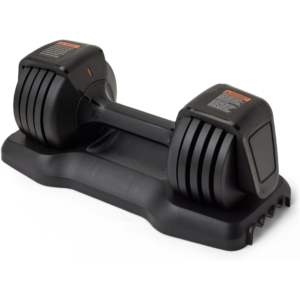
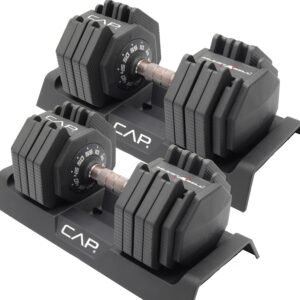
- Medium dumbbells, roughly 5 to 20 pounds depending on your current strength
You should feel the last 2 reps of each set are challenging, but you should still be able to control the weight without swinging. If you are a beginner, start lighter with 3 or 5 pound dumbbells or a resistance band. Your shoulder muscles are relatively small and delicate, and they respond well to lighter loads with good form and consistent training.
Training shoulders 1 to 2 times per week is usually enough for progress. One session can be a full shoulder workout, and the other can be a few selected moves mixed into a total body day.
Warm up and shoulder mobility
Before you jump into your workout, give your shoulders a few minutes of movement. Including mobility and flexibility work helps prevent stiff muscles, knots, and chronic injuries, and it makes your strength exercises feel smoother.
Spend 3 to 5 minutes on moves like:
- Arm circles forward and backward
- Shoulder rolls up, back, and down
- Gentle band pull-aparts at chest height
- Thread the needle on hands and knees to open your upper back
You should feel warmth and light activation, not pain or fatigue. If anything feels sharp or pinchy, back off that range and stay in a pain free motion.
The best 25 minute shoulder workout for toning
This shoulder workout female lifters often enjoy uses dumbbells and focuses on all three heads of your shoulder muscle, front, side, and rear, along with the stabilizers around your shoulder blades. You can do it 1 to 2 times per week.
Aim for 3 sets of 8 to 12 reps per exercise, resting 45 to 60 seconds between sets.
1. Dumbbell shoulder press
Dumbbell shoulder presses help you build overall shoulder strength and shape. They are often recommended over barbell military presses because they allow a more natural range of motion and help you maintain better shoulder positioning and balanced weight distribution, which is especially important if you have rotator cuff concerns.
How to do it:
- Sit or stand tall with a dumbbell in each hand at shoulder height, palms facing slightly in toward each other.
- Brace your core and keep your ribs stacked over your hips.
- Press the dumbbells up until your arms are straight but not locked.
- Lower with control back to shoulder height.
Keep your elbows slightly in front of your torso, not flared straight out to the sides. This position is friendlier on your joints.
2. Lateral raise with thumbs up
Lateral raises target the side of your shoulders and are key for that rounded, toned look from the front. The way you position your hands matters for shoulder health.
How to do it safely:
- Stand with a dumbbell in each hand by your sides, palms facing your body.
- Slightly bend your elbows and roll your shoulders down and back.
- As you lift the weights out to the side, rotate your thumbs slightly up so your pinkies are a bit lower.
- Raise until your arms are at or just below shoulder height, pause, then lower slowly.
Keeping a thumbs up angle reduces compression of your rotator cuff under the bony part of your shoulder and makes the move more comfortable for many people.
3. Front raise (light weight)
Front raises hit the front of your shoulders. You do not need to overload this area, because it already works during presses and push-ups.
How to do it:
- Stand with dumbbells in front of your thighs, palms facing your legs.
- Keep a slight bend in your elbows and your shoulders down away from your ears.
- Lift both arms forward to shoulder height, pause, then lower under control.
Use a lighter weight here and focus on feeling your shoulders lift, not swinging your entire body.
4. Reverse fly for rear delts
Reverse flys strengthen the rear of your shoulders and the muscles between your shoulder blades. This is one of the most important moves in your shoulder workout because it helps counteract sitting and rounded posture.
How to do it:
- Hinge at your hips with a flat back, chest angled toward the floor, and dumbbells hanging under your shoulders, palms facing each other.
- Slightly bend your elbows.
- Open your arms out to the sides until the weights reach about shoulder height, squeezing your shoulder blades together.
- Lower slowly and repeat.
Move through a comfortable range of motion. If you feel this in your lower back, hinge less deeply or sit on a bench and lean forward with your chest supported on your thighs.
5. Push-up with shoulder friendly form
Push-ups are generally safe and very effective for your shoulders and chest when you use proper form. They also challenge your core.
How to do it:
- Start in a high plank position on your hands and toes or on your knees for a modification.
- Place your hands slightly wider than shoulder width, with your fingers spread.
- Keep your elbows angled back about 30 to 45 degrees from your body, not flared straight out.
- Lower your chest toward the floor while keeping your body in a straight line.
- Press back up to the starting position.
Keeping your elbows closer to your body helps avoid pinching your rotator cuff. If full push-ups are too intense, elevate your hands on a bench or countertop to make them easier.
6. Band pull-apart or light row
To round out your shoulder workout, add a move that directly trains the muscles between your shoulder blades. This reinforces good posture and supports your shoulder joint.
How to do a band pull-apart:
- Hold a resistance band at shoulder height with your arms straight in front of you and your palms facing down.
- Pull the band apart by squeezing your shoulder blades together and moving your hands out to your sides.
- Stop when the band touches your chest or you reach your comfortable range.
- Return to the start with control.
If you do not have a band, you can substitute a light dumbbell row, focusing on pulling your elbows back and your shoulder blades together at the top.
Sample workout structure
Here is how you might put it all together:
- Warm up and mobility, 3 to 5 minutes
- Dumbbell shoulder press, 3 x 8 to 12
- Lateral raise with thumbs up, 3 x 10 to 12
- Front raise, 3 x 10 to 12
- Reverse fly, 3 x 10 to 12
- Push-ups, 3 x as many quality reps as you can
- Band pull-aparts or rows, 3 x 12 to 15
If you are short on time, choose any 3 to 5 of these exercises and complete 3 sets of each. That still gives you a solid shoulder session in about 25 minutes.
As you get stronger, progress by adding a small amount of weight, a rep or two per set, or an extra set, instead of jumping to very heavy weights all at once.
How often to train and how to progress
For most women, 1 dedicated shoulder workout per week is plenty, especially because shoulders also work during many other upper body exercises. You can also sprinkle one or two shoulder moves into your full body workouts on another day.
To keep seeing progress:
- Increase weight gradually when you can complete 3 sets of 12 reps with ease
- Add a set to one or two exercises if you want more volume
- Rotate in similar moves after a few weeks, for example switch seated dumbbell shoulder presses for standing presses, or reverse flys for a different rear delt move
This kind of variety and steady overload helps you avoid plateaus and keeps your workouts interesting.
When to modify or skip moves
Listen to your shoulders. If you feel:
- Sharp pain
- Pinching at the top of a raise or press
- Unusual clicking with discomfort
Stop that exercise and try a smaller range of motion or a lighter weight. For half kneeling moves like a single arm half kneeling Arnold press, you can always perform the same motion standing if kneeling bothers your knees or hips. The goal is always to challenge your muscles while keeping your joints comfortable.
If you have a history of shoulder injuries or current pain, talk with a medical or fitness professional before starting or changing your routine so you can get personalized guidance.
With a balanced shoulder workout, female lifters like you can build strength, definition, and confidence without spending hours in the gym. Start with light weights, focus on form, and give your shoulders time to recover between sessions. Over the next few weeks, you will likely notice better posture, smoother overhead movements, and a stronger, more sculpted upper body.
About The Author