Strengthen Your Look with This Workout for Shoulders Women
A smart workout for shoulders women can change more than how your shirts fit. Strong, sculpted shoulders support your posture, make daily tasks feel easier, and help you move confidently through everything from yoga to strength training.
You do not need heavy weights or long gym sessions to see a difference. With a focused plan, just a couple of short shoulder workouts each week can build strength and definition safely.
Why shoulder training matters for women
Your shoulder muscles do a lot of quiet work in the background. They help you maintain good posture, support you in yoga poses, and let you lift, carry, and reach without strain. Strength coach Geoff Rose, CPT, notes that strong shoulders are essential for overall upper body strength in women because they are involved in almost every upper body movement in your day.
The shoulder joint is also one of the most unstable joints in your body. That sounds negative, but it simply means you have a large range of motion and rely heavily on muscles and tendons for support. When those muscles are balanced and strong, they stabilize the joint and reduce your risk of pain or injury around the shoulder blade and upper back.
If you sit at a desk, cradle a phone, or work at a computer, you are already placing a lot of stress on your shoulders. Targeted strength training helps undo that tension and encourages a more open, upright posture.
The key shoulder muscles you train
To get the most from a workout for shoulders women, it helps to know which muscles you are actually targeting. Instead of focusing only on the visible curve at the top of your arms, you want to train the entire shoulder complex evenly.
Your main players include:
- Deltoids, the cap of your shoulder, with three heads
- Anterior deltoid at the front, used in front raises and pressing
- Lateral deltoid at the side, used in lateral raises and many overhead moves
- Posterior deltoid at the back, crucial for posture and rowing motions
- Rotator cuff muscles, small stabilizers that keep the arm bone centered in the shoulder socket
- Trapezius and rhomboids, upper back muscles that help retract and stabilize your shoulder blades
- Latissimus dorsi, large back muscles that assist with pulling and help balance pressing work
When these muscles work together in harmony, you gain strength, shape, and stability. When some are overused and others are ignored, you can end up with rounded shoulders, neck tension, or nagging shoulder pain. A well designed shoulder workout for women will include pressing, raising, and pulling patterns from different angles so you do not overload just the front of your shoulders.
How often to train shoulders
You do not have to live in the gym to build better shoulders. You can approach frequency in a couple of ways, depending on your schedule and goals.
According to guidance from Geoff Rose, CPT, you can see results in one of two ways:
- One dedicated shoulder workout per week
- Shoulder exercises mixed into your total body workouts 1 or 2 times per week
If your goal is visible toning, training your shoulders 2 or 3 times per week for about 20 minutes a session is a solid target. For many women, it takes roughly 8 to 12 weeks to notice a clear change in shape and definition, although your timeline depends on your body type, diet, sleep, and stress.
Start with what feels realistic. Consistency with moderate effort will beat a single extreme workout that leaves you too sore or intimidated to return.
Safe equipment choices and setup
You can build a highly effective workout for shoulders women with very basic equipment. In fact, simple tools often help you focus more on form and less on how much you are lifting.
Good options include:
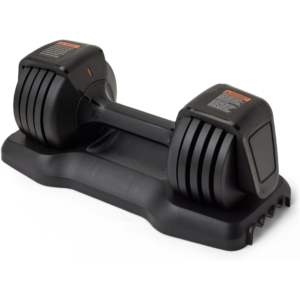
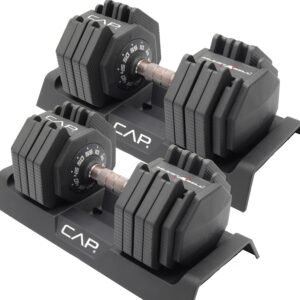
- Light dumbbells, usually 3 to 10 pounds if you are new, and 5 to 20 pounds as you progress
- Resistance bands, helpful for warm ups and lighter isolation work
- Your own body weight, in movements like plank variations and wall slides
Beginners are usually best served by starting with the lighter end of the range, such as 3 or 5 pound dumbbells or a light resistance band. You should be able to move through each set with control, and finish with your muscles feeling challenged but not shaking wildly or forcing you to hold your breath.
A simple rule of thumb is this: you want a weight that makes the last 2 or 3 reps of a set feel tough, but still allows good form. If you can do many extra reps without effort, go up slightly. If you have to jerk or swing the weight, scale back.
Warm up before you lift
Your shoulders reward a few minutes of thoughtful preparation. A proper warm up increases blood flow, reduces stiffness in tendons, and gets your nervous system ready to move safely.
A short routine might include:
- Arm circles, small to large, forward and backward
- Band pull aparts, holding a light band at chest level and gently pulling it wide
- Shoulder rolls, lifting and rolling your shoulders up toward your ears and back down
- Wall slides, standing with your back against a wall and slowly raising and lowering your arms like a goalpost
These dynamic movements ask your shoulders to move through their full range of motion without heavy load. That lowers your risk of strains and helps your main exercises feel smoother and more controlled.
Sample 25 minute shoulder workout
If you like structure, this is an easy way to build a balanced workout for shoulders women. You can finish it in about 25 minutes and do it at home or in a gym.
Choose 4 to 6 exercises from the list below. Aim for:
- 3 sets of each exercise
- 8 to 12 controlled reps per set
- 45 to 60 seconds of rest between sets
Exercise menu
Pick from these moves to cover all sides of your shoulders:
- Seated or standing overhead press, targets the front and side delts and builds overall strength
- Single arm overhead press, adds core and stability work
- Lateral raise, focuses on the side delts for width and shape
- Front raise, highlights the front delts but should be balanced with pulling work
- Reverse fly or bent over rear delt fly, strengthens the back of the shoulders and improves posture
- Plank shoulder taps, trains shoulder stability and core at the same time
- Banded pull aparts, great for the upper back and rear delts
For example, a simple beginner friendly session might look like this:
- Seated dumbbell overhead press
- Lateral raise
- Bent over rear delt fly
- Banded pull aparts
That combination hits all three heads of the deltoids, supports the rotator cuff region, and encourages an upright posture instead of rolled forward shoulders.
Technique tips for common exercises
Paying attention to small details can turn a basic workout for shoulders women into an effective, joint friendly routine.
Overhead press
Sit or stand tall with your feet rooted and core gently braced. Start with dumbbells at shoulder height, palms facing forward or slightly toward each other. Press up until your arms are almost straight, but do not lock your elbows, then lower under control.
If you feel strain in your lower back, you may be arching to help the weight. Try sitting, or choose a lighter dumbbell so your shoulders, not your spine, do the work.
Lateral and front raises
Keep a slight bend in your elbows and lift the weights only to shoulder height. Move slowly and avoid swinging. If you cannot pause comfortably at the top, reduce the weight.
To protect your rotator cuff, imagine pouring water out of a pitcher in the opposite direction, so your thumbs are slightly higher than your little fingers at the top. Guidance from the Jacksonville Orthopaedic Institute suggests avoiding a palms down or thumbs down position during lateral raises, because that compresses the rotator cuff against your shoulder bones and can increase wear and tear in the joint.
Reverse fly
Hinge forward slightly at your hips, with a flat back, and let your arms hang toward the floor. As you lift the weights out to the sides, think about squeezing your shoulder blades toward each other rather than yanking with your arms. This focus helps you target your rear delts and upper back instead of your neck.
Moves and habits to avoid
Some classic shoulder exercises cause more problems than they solve, especially when you are aiming for long term joint health.
According to recommendations from orthopedic and strength experts, you may want to skip:
- Behind the head barbell presses, which can compress the rotator cuff against bony surfaces and force your shoulders into an awkward position
- Upright rows, particularly with heavy weights, because they can press the rotator cuff against the acromion and increase wear over time
- Deep triceps bench dips, which place your shoulders in extreme internal rotation and can stress the biceps and rotator cuff tendons
You also want to watch out for ego lifting. Choosing weights that are too heavy encourages you to swing, shrug, and strain instead of using the intended muscles. That raises your risk of bursitis, tendon irritation, joint instability, and muscle pulls, all of which slow your progress.
Instead, focus on controlled motion and a comfortable range of motion. Your shoulders should feel worked, not wrecked.
A reliable shoulder routine focuses on exercises you can perform with clean form today, rather than chasing the heaviest weight on the rack.
Balancing your weekly training
Your shoulders are involved in many other exercises such as push ups, pull ups, rows, and chest presses. That means you might be training them more than you realize, even outside a specific shoulder day.
To avoid overloading this sensitive joint:
- Aim for a total of 9 to 15 working sets for shoulders per week if your goal is muscle gain
- Spread those sets over 2 or 3 sessions, rather than doing them all in one long workout
- Pair heavy compound lifts, such as overhead presses or landmine presses, with lighter isolation movements like lateral raises and rear delt flys
Make sure you give yourself at least one full rest day before training shoulders intensely again, especially if you are new to strength training. Muscles get stronger during recovery, when they have time to repair and grow.
What to expect from consistent training
You cannot spot reduce fat from your shoulders, but you can build lean muscle that changes how your upper body looks and feels. As your shoulder muscles develop, they increase your overall metabolism of fat and help create a more sculpted appearance.
With regular workouts, most women can expect:
- Improved posture and less tendency to round the shoulders forward
- Greater ease in overhead movements, from putting away groceries to lifting kids
- More stability in yoga poses and bodyweight moves that load the shoulders
- Visible changes in shoulder shape, often within 2 or 3 months of consistent training
Progress will not be perfectly linear. Some weeks you will feel stronger, other weeks you may simply maintain. The key is to keep showing up, choose weights that challenge you without pain, and gradually progress either by adding a bit of weight, a few reps, or a more demanding variation.
Start with one or two exercises from this guide in your next workout. As those feel more natural, expand to a full 25 minute shoulder routine. Over time, you will not just see stronger shoulders in the mirror, you will feel that strength in every part of your day.
About The Author