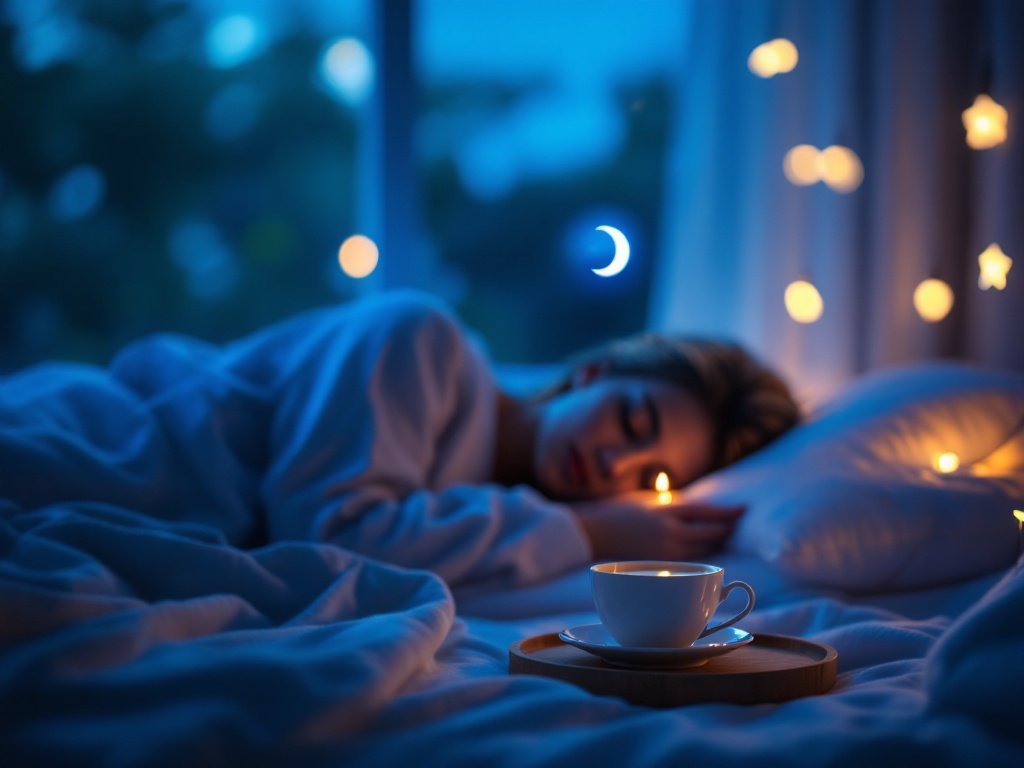
What drink is good for sleep?
A calming drink at night will not fix every sleep problem, but the right choice can make it easier for your body and mind to wind down. When you ask what drink is good for sleep, you are really asking two things: which ingredients support relaxation and how you can turn that drink into a simple bedtime ritual that tells your brain it is time to rest.
Below, you will find science backed options that can help you feel drowsier at night, along with a few drinks that can quietly sabotage your sleep if you are not careful.
How bedtime drinks can support sleep
Certain drinks help your sleep in two ways. First, some contain natural compounds like melatonin, tryptophan, magnesium, or calming plant antioxidants that influence your nervous system and sleep hormones. Second, the act of sipping something warm and soothing can become a powerful cue that it is time to slow down.
Researchers note that with herbal drinks like chamomile, the relaxation you feel may come as much from the quiet, mindful ritual as from the ingredients themselves, so it works best as part of a broader wind down routine rather than a standalone cure for insomnia (Verywell Mind).
Best herbal drinks for better sleep
Herbal teas are naturally caffeine free and easy to add to your evenings. If you are wondering what drink is good for sleep that is gentle and safe for most people, this is often the easiest place to start.
Chamomile tea
Chamomile has been used for centuries to calm nerves and support rest. Its key antioxidant, apigenin, binds to receptors in your brain that help reduce anxiety and promote sleepiness (Verywell Mind).
A study in elderly nursing home residents found that taking chamomile extract twice a day for four weeks improved sleep quality compared with a control group, especially for mild insomnia (Verywell Mind). A larger review suggests that chamomile can reduce nighttime awakenings and help you stay asleep, although it does not seem to extend total sleep time or boost daytime energy (Verywell Mind).
Specialists recommend making chamomile tea one piece of a calm nightly routine, instead of expecting the tea alone to fix deeper sleep issues (Verywell Mind). Even sleep experts at UCLA note that its soothing, warming qualities can be conducive to a better night of sleep (Everyday Health).
Valerian root tea
Valerian root has a long history as a natural sedative and is often used for anxiety and insomnia. A review of 60 studies found valerian to be a generally safe and effective herbal treatment that can promote sleep and ease insomnia symptoms (Healthline).
Some health guides note that valerian may be mildly addictive for a few people and suggest taking occasional breaks rather than using it heavily every night for long stretches (Intermountain Healthcare). If you are on medications or are pregnant, you will want to check with your doctor first.
Ashwagandha tea
Ashwagandha, sometimes called Indian ginseng, is a traditional Ayurvedic herb that helps your body manage stress. A 2021 study found a small but measurable improvement in sleep among people who took ashwagandha, and you can drink it as a tea or mix it into warm milk for a bedtime beverage known as moon milk (Healthline).
Taste testers in a 2024 review also reported a noticeable sedative effect, saying the tea made them feel drowsy enough for a long nap (Delish).
Decaffeinated green tea
If you love tea but are sensitive to caffeine, decaffeinated green tea can be a good sleep friendly option. It contains the amino acid theanine, which is known to reduce stress and support more restful sleep patterns, but without the stimulating caffeine found in regular green tea (Intermountain Healthcare).
Milk based drinks and sleep
Warm milk is perhaps the most classic answer to what drink is good for sleep. The science behind milk and its cousins like almond milk and golden milk is more nuanced than the folk wisdom, but there are real reasons they might help you relax at night.
Plain warm milk
Milk naturally contains tryptophan, an amino acid your body uses to make serotonin and melatonin, the chemicals that regulate mood and sleepiness (Sleep Foundation). Studies in hospital patients who drank warm milk and honey for several days reported better sleep quality, and older adults who drank fermented milk daily woke up fewer times during the night (Sleep Foundation).
Research also suggests that people over 65 who drink more milk and stay active fall asleep more easily than those who do not consume milk regularly (Sleep Foundation). However, some experts point out that the overall scientific evidence for warm milk as a powerful sleep aid is limited and that the comfort and placebo effect may play a big role (Intermountain Healthcare, Everyday Health).
If you have lactose intolerance or reflux, milk at night may not agree with you, so pay attention to how your body responds.
Almond milk
If you prefer a plant based option, almond milk is one of the best choices for sleep. It is rich in sleep supporting compounds like tryptophan, melatonin, and magnesium. A cup of almond milk contains around 17 milligrams of magnesium, a mineral linked with easing insomnia, especially in older adults (Healthline).
Guides on sleep friendly drinks highlight almond milk as a particularly effective alternative for people who are lactose intolerant or vegan, because it supports the production of sleep related hormones without dairy (Intermountain Healthcare, Healthspan).
Golden milk and flavored bedtime milks
Warm golden milk, made with milk or plant milk and turmeric, is another soothing option at night. Early animal studies suggest it may support better sleep by reducing inflammation, oxidative damage, depression, and anxiety, which can all interfere with rest (Healthline). Even without strong human research yet, many people find this spice blend both comforting and relaxing.
You can also experiment with:
- Lavender milk, which appears to increase deep slow wave sleep and help you feel more rested and less stressed the next day (Healthline)
- Strawberry milk made with real strawberries, which provides vitamin B6 and a bit of melatonin to support your sleep wake cycle (Healthline)
The key is to keep added sugar low and to notice which ingredients leave you feeling calm rather than wired.
Think of milk based bedtime drinks as a gentle nudge toward sleep, not a knockout potion. They work best when you pair them with dim lights and low stress activities like reading instead of scrolling.
Fruit based drinks that support sleep
If you prefer something cool and fruity at night, certain juices and smoothies can also fit into a sleep friendly routine.
Tart cherry juice
Tart cherry juice is one of the most researched drinks for sleep. Tart cherries are naturally rich in melatonin and tryptophan, and they also contain antioxidants that may help your body use tryptophan more effectively (Healthspan).
Several studies, including one published in the Journal of Medicinal Food, have found that drinking about 16 ounces of tart cherry juice daily can significantly reduce insomnia and improve sleep quality in adults, a result later confirmed by follow up research (Intermountain Healthcare). Sleep specialists at UCLA also note that tart cherry juice can improve how quickly you fall asleep and reduce nighttime awakenings (Everyday Health).
You can sip the juice on its own or mix it with warm milk for a cherry moon milk that supports both sleep and muscle recovery (Healthline).
Banana smoothies
Bananas bring an impressive collection of sleep friendly nutrients. They are a natural source of magnesium, potassium, tryptophan, and melatonin, all of which help relax muscles and signal to your body that it is time to rest (Healthspan).
Blending a banana with milk or almond milk creates an easy bedtime smoothie that combines the sleep benefits of both ingredients. For extra calm, you can add a pinch of cinnamon or a spoonful of oats for fiber, which helps keep your blood sugar steadier overnight.
Other sleep friendly sips
A few more options can help you relax without interfering with your rest.
Matcha milk
While matcha does have some caffeine, it also contains L theanine, a compound that can increase calming brain chemicals like serotonin, GABA, and dopamine. This combination may improve sleep quality and relaxation for some people when consumed in moderation, especially earlier in the evening (Healthline). A creamy coconut matcha latte can feel indulgent yet grounding, but if you are very sensitive to caffeine, it may still be better earlier in the day.
Plain water
Staying hydrated supports nearly every system in your body, including sleep. The Centers for Disease Control and Prevention recommend plain water as the healthiest beverage overall, and some research links dehydration with poorer sleep, although more studies are needed to clarify this relationship (Everyday Health).
In the evening, aim for balance. Drink enough that you do not wake up thirsty, but avoid chugging large amounts right before bed, because extra water close to bedtime can increase nighttime trips to the bathroom (American Academy of Sleep Medicine).
Drinks to limit or avoid before bed
Just as some drinks support your sleep, others quietly work against it. If you are trying to improve your nightly rest, it helps to keep an eye on these.
Alcohol
Alcohol might make you feel drowsy at first, but it usually leads to lighter, more fragmented sleep. It can increase your need to urinate during the night, reduce restorative REM sleep, and worsen snoring or sleep apnea (American Academy of Sleep Medicine). If you drink, try to finish your last alcoholic beverage several hours before you plan to sleep.
Caffeinated drinks and energy drinks
Caffeine is a well known sleep disruptor. Drinking coffee or strong tea late in the day can delay your body clock and cut into your total sleep duration. In fact, caffeine consumed even six hours before bedtime can trim about an hour off your sleep (American Academy of Sleep Medicine).
Energy drinks are particularly problematic because they often contain two or three times more caffeine than soda or coffee. They can make it harder to fall asleep and reduce how long you stay asleep if you drink them too late in the day (American Academy of Sleep Medicine).
Sugary sodas
Soda combines caffeine with high amounts of sugar, a double hit for your sleep. The caffeine makes it harder to nod off, and spikes in blood sugar can lead to more frequent awakenings at night (American Academy of Sleep Medicine). If you crave something fizzy in the evening, try caffeine free seltzer earlier in the night instead.
Putting it together: Build a sleep friendly drink routine
You do not need to try every option at once. Start simple and notice how your body responds. For example, you could:
- Set a caffeine cutoff 6 to 8 hours before your usual bedtime.
- Pick one gentle drink, such as chamomile tea, almond milk, or tart cherry juice, about 60 to 90 minutes before bed.
- Pair it with relaxing habits like reading, stretching, or journaling, rather than screens.
- Keep your bedroom dim and cool so your environment matches the message your drink is sending your brain.
Over a week or two, you will start to see which drinks leave you truly relaxed and which you might want to save for daytime. With a little experimenting, your nightly beverage can become a small, enjoyable ritual that helps you ease into deeper, more consistent sleep.
About The Author





