Why the Dash Diet Is Your Best Choice for Weight Loss
A lot of diets promise fast weight loss, but very few also protect your long term health. The DASH diet is different. Originally designed to lower high blood pressure, the DASH diet has become a smart, sustainable way for you to lose weight while supporting your heart, cholesterol levels, and overall wellbeing.
You focus on whole foods, plenty of plants, and less sodium, rather than cutting entire food groups or counting every bite. That makes the DASH diet easier to live with, and easier to stick to, which is exactly what you need for lasting weight loss.
What the DASH diet actually is
The DASH diet, short for Dietary Approaches to Stop Hypertension, is a healthy eating plan created to help treat or prevent high blood pressure by cutting back on sodium and emphasizing nutrients that support healthy blood pressure like potassium, magnesium, calcium, and fiber (Mayo Clinic).
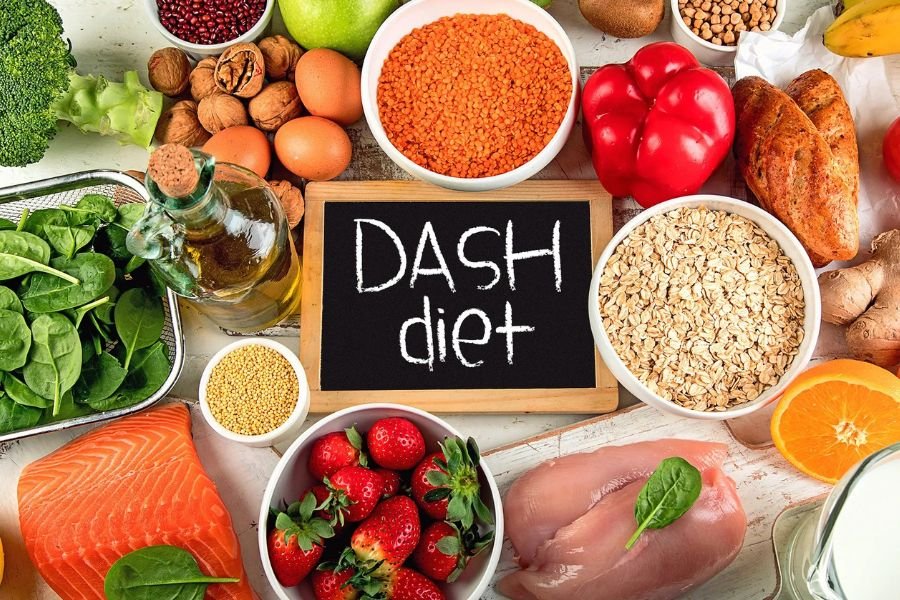
Instead of special products, you build your meals around:
- Vegetables and fruits
- Whole grains
- Lean proteins such as fish, poultry, beans, and nuts
- Low fat or fat free dairy
At the same time, you limit foods that are high in sodium, added sugar, and saturated fat like salty snacks, sugary drinks, fatty meats, and full fat dairy products (Mayo Clinic).
You can choose between a standard version of the DASH diet with up to 2,300 milligrams of sodium per day, or a lower sodium version with 1,500 milligrams per day depending on your health needs (Mayo Clinic). Either way, you are encouraged to fit the plan into your usual calorie needs rather than following a one size fits all menu.
Why the DASH diet works for weight loss
You might wonder how a blood pressure diet helps you lose weight. The answer comes down to what you eat, how full you feel, and how realistic the plan is for daily life.
High volume, high fiber foods keep you full
On the DASH diet you eat a lot of vegetables, fruits, and whole grains. These foods are naturally rich in fiber and water, which means you can eat satisfying portions for fewer calories. Fiber slows digestion and helps keep your blood sugar stable, so you are less likely to feel energy crashes or strong cravings.
When you fill your plate with plants first, there is less room for calorie dense, ultra processed foods. Over the course of a day and then a week, this usually brings your total calorie intake down without you having to meticulously track every crumb.
Lean protein protects your metabolism
You also include lean protein sources such as chicken, turkey, fish, low fat dairy, beans, and lentils. Protein is important for preserving muscle while you lose weight. Muscle tissue burns more calories at rest than fat tissue, so keeping it supports a healthier metabolism.
Protein also has a strong effect on satiety. When you pair lean protein with fiber rich sides, your meals keep you fuller longer and make it easier for you to stick with a moderate calorie intake.
Lower sodium reduces water weight and cravings
Cutting sodium does more than support your blood pressure. A typical Western style diet is heavy in salty packaged foods. When you reduce these and cook more with whole ingredients, you often shed some excess water weight, which can feel motivating in the first couple of weeks.
Less salty snack food also means fewer moments when you find yourself mindlessly finishing a bag of chips. You are not relying on willpower alone. You are changing your environment so that the default choices are better for your weight and your health.
Research backed benefits that support your goals
The DASH diet is one of the most studied eating patterns in nutrition science. In a large clinical trial with 459 adults, people who followed the DASH diet had significantly lower blood pressure and LDL cholesterol compared with those who ate a typical American diet, which in turn reduces major risk factors for cardiovascular disease (NHLBI).
A systematic review and meta analysis of 17 randomized controlled trials including 2,561 participants found that the DASH diet reduced systolic blood pressure by about 6.7 mmHg and diastolic blood pressure by about 3.5 mmHg, with even greater benefits in people who were already hypertensive and in those on energy restricted diets (PMC). In plain language, that means when you pair the DASH pattern with a calorie deficit, you get both weight loss and meaningful blood pressure improvements.
In the PREMIER trial, 810 adults with prehypertension or stage 1 hypertension who adopted the DASH diet plus lifestyle changes such as more physical activity saw the largest drop in systolic blood pressure, 11.1 mmHg, and more weight loss than those who only received advice or partial lifestyle counseling (PMC). This is strong evidence that the DASH approach works particularly well when you combine it with movement and a focus on calorie balance.
How to structure a day of DASH eating
You do not have to follow a rigid meal plan to use the DASH diet for weight loss. Instead, you focus on meeting daily and weekly targets for each food group based on about 2,000 calories per day, then adjust portions up or down with your healthcare provider or dietitian as needed (NHLBI).
Here is a sample structure:
- Base each meal on vegetables and whole grains
- Add a lean protein source
- Include a serving or two of fruit across the day
- Work in low fat or fat free dairy
- Use nuts, seeds, or beans regularly for healthy fats and plant protein
You limit sodium by choosing fresh or frozen produce without added sauces, picking low sodium or no salt added canned products when possible, and flavoring foods with herbs, spices, citrus, and vinegar instead of heavy salt.
If you aim for weight loss, you use this structure but slightly reduce portions or energy dense extras so that your total calories are lower, while still meeting the DASH pattern.
Because there are many possible combinations, the DASH diet can fit most cultural cuisines and personal preferences. You can build Mediterranean inspired meals one week and more Latin or Asian inspired meals the next, all while staying within the DASH guidelines.
Sodium limits and what they mean for you
Sodium is central to the DASH diet. The standard plan sets your upper limit at 2,300 milligrams of sodium per day, roughly the sodium in one teaspoon of table salt. The lower sodium version brings that down to 1,500 milligrams per day for people who need a stronger blood pressure effect (Mayo Clinic).
The National Heart, Lung, and Blood Institute notes that limiting sodium to 1,500 milligrams per day lowers blood pressure more than 2,300 milligrams per day, especially in people with hypertension (NHLBI). Both versions can be effective, so you should discuss with your healthcare provider which level is best for you.
To stay within your limit, you focus on:
- Cooking at home more often
- Checking labels and comparing brands
- Choosing fresh meat and fish instead of processed deli meats
- Keeping restaurant meals an occasional treat instead of a daily habit
As you adjust, your taste buds adapt and foods that used to seem normal can start to taste overly salty. That shift makes it easier for you to continue choosing lower sodium options.
Beyond weight loss: extra health benefits you gain
While your main goal might be to see a smaller number on the scale, the DASH diet gives you health benefits that go far beyond a single metric.
Research shows that the DASH pattern can lower LDL cholesterol and triglycerides, reduce uric acid levels, and is linked to a lower incidence of heart failure in adults under 75. It is also associated with improved bone mineral status and roughly a 13 percent decrease in estimated 10 year cardiovascular disease risk (PMC).
Variations of the DASH diet that replace some carbohydrates with either protein or unsaturated fat have been shown to reduce blood pressure and improve lipid levels even more than the original DASH diet, which suggests that you can fine tune the plan with your provider to match your specific health profile (NHLBI).
Importantly, the DASH diet has been repeatedly recognized as a top heart healthy eating pattern. NIH notes that it has been named the Best Heart Healthy Diet and the Best Diet for High Blood Pressure for 2025, reflecting its strong evidence base and practicality for everyday life (NHLBI).
Making the DASH diet fit your lifestyle
You are more likely to succeed when your eating style feels like it belongs in your life, not like a strict program you endure for a short time. The DASH diet supports this because it does not require special foods and it allows flexibility around your personal calorie needs and schedule (NHLBI).
You can start by picking one or two changes that feel manageable:
- Swap one processed snack for a piece of fruit and a handful of nuts
- Add an extra serving of vegetables at dinner
- Choose brown rice, quinoa, or whole wheat pasta instead of refined grains
- Cook one more meal at home each week and season it with herbs instead of extra salt
If you drink alcohol, you also have clear guidance. The DASH plan suggests you limit alcohol to no more than two drinks per day if you are a man and one or less per day if you are a woman, because heavy drinking can raise blood pressure (Mayo Clinic). Caffeine is not directly addressed, so if you are concerned about how it might affect your blood pressure, that is a good topic to bring up with your provider.
As you make changes, you can use the worksheets from the National Heart, Lung, and Blood Institute to compare your current habits with DASH targets and to better understand serving sizes for each food group (NHLBI). This helps you see progress even before the scale shows large shifts.
Putting it all together
The DASH diet gives you a clear, research backed way to lose weight while you actively protect your heart and blood vessels. Instead of quick fixes, you get a structure that is rich in vegetables, fruits, whole grains, lean proteins, and low fat dairy, and that limits sodium, added sugars, and saturated fat.
You do not need special products or complicated rules. You only need a commitment to small, consistent changes in what you put on your plate and how you season your food. If you pair the DASH pattern with a bit more daily movement and a calorie level that matches your goals, you set yourself up for weight loss that actually lasts and health improvements that ripple through every part of your life.
If you are ready to start, choose one meal today and make it a DASH friendly version. Notice how you feel afterward, then build from there. Over time, these small choices add up to a way of eating that supports both your waistline and your long term health.
About The Author