How Much Whey Protein Should You Take Per Day
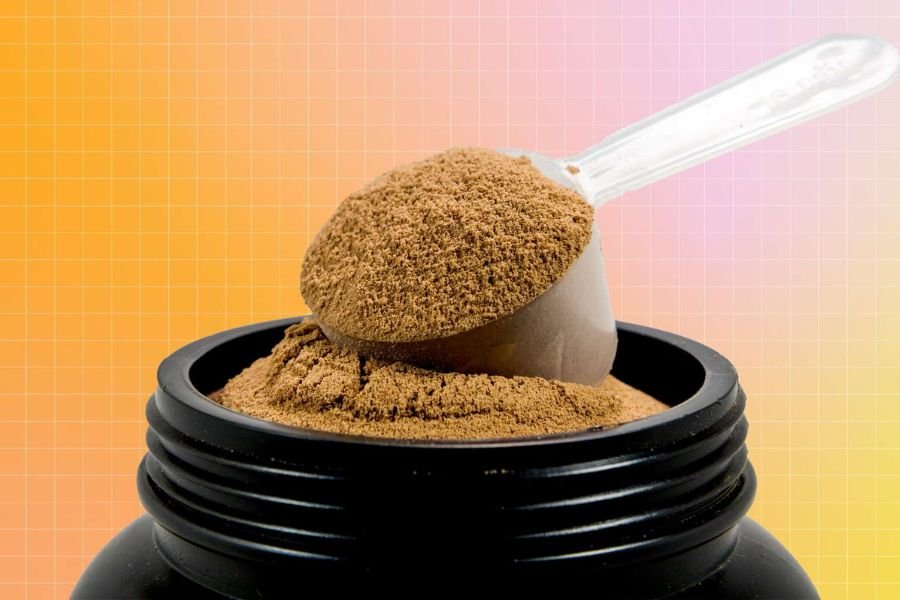
A tub of protein powder can look reassuringly simple. Scoop, shake, drink, done. Once you start wondering how much whey protein per day you actually need, things get a little less clear.
This guide walks you through evidence based recommendations so you can use whey as a helpful tool, not an overhyped shortcut.
Start with your total protein needs
Before you think about how many scoops of whey protein to take, it helps to know how much protein you need in a full day.
For healthy adults, the general Recommended Dietary Allowance is 0.8 grams of protein per kilogram of body weight, which is about 46 grams per day for women and 56 grams per day for men (Harvard Health Publishing). That is the minimum to prevent deficiency, not necessarily the ideal amount if you are active or trying to change your body composition.
For context, a 150 pound person (about 68 kilograms) might need:
- Around 55 grams per day to cover basic needs
- Around 69 to 102 grams per day for muscle building
- Around 68 to 82 grams per day for weight loss, to help protect muscle while you are in a calorie deficit (UnityPoint Health)
If you are moderately active and lifting a few times per week, some sports nutrition sources suggest up to about 2.2 grams of protein per kilogram of body weight for muscle building, especially at higher activity levels (Naked Nutrition).
Once you know your daily target, whey protein can fill in the gaps that food does not cover.
Typical daily whey protein range
Most people do well with 1 to 2 scoops of whey protein per day, which is roughly 25 to 50 grams of additional protein (Healthline). Many products fall in that 20 to 30 grams of protein per scoop range (Harvard Health Publishing).
You might use whey protein differently depending on your goals.
If you:
- Eat a protein rich diet already, you may not need whey every day
- Struggle to hit your target with food alone, 1 scoop per day can be a simple fix
- Are very active and lifting heavy, you might use 1 to 2 scoops, especially on training days
It is important to see whey as part of your total protein intake, not an extra you pile on top without counting. If your food already provides plenty of high quality protein from meat, fish, eggs and dairy, adding a lot of whey on top may not provide much extra benefit for muscle growth (Healthline).
How workout goals change your whey needs
Your ideal amount of whey protein per day depends on what you want from it: muscle gain, weight loss, or general health.
For building muscle and strength
If you are focused on muscle gain, your total daily protein intake matters more than the exact timing of your protein shake. Research suggests that as long as you hit your overall protein target across the day, drinking whey strictly right after a workout is less critical than many people think (Healthline).
That said, whey is still useful for muscle building because:
- One serving usually provides 20 to 30 grams of high quality protein
- It is quickly digested and rich in essential amino acids
- It supports muscle protein synthesis after resistance training (UnityPoint Health)
If you are moderately active, some guidance suggests around 2.2 grams of protein per kilogram of body weight per day for optimal muscle growth, and whey can make it easier to reach that intake (Naked Nutrition).
A common approach is 1 scoop after workouts, and possibly a second scoop later in the day if you are still short of your target.
For weight loss and appetite control
If weight loss is your goal, protein can help you feel full, preserve muscle and slightly boost the calories you burn each day. Some research suggests that getting about 25 to 30 percent of your daily calories from protein may support weight loss. On a 2,000 calorie diet, that would be around 150 grams of protein per day (Naked Nutrition).
Hitting that amount with food alone can be tough, which is where whey helps. Doses of around 25 to 50 grams of whey protein per day have been shown to support weight loss by increasing satiety, improving metabolism and helping maintain lean muscle while you eat fewer calories (Healthline).
You might use 1 scoop as a snack between meals or as part of a higher protein breakfast or lunch to stay satisfied longer.
For everyday health and convenience
Maybe you are not chasing specific body composition goals and simply want an easy way to cover your protein needs on busy days. In that case you can treat whey as an occasional convenience food.
Experts often recommend meeting most of your protein needs from whole foods like fish, poultry, eggs, dairy, legumes, nuts and seeds. Protein powders are usually suggested only when food is not enough, or in special medical situations (Harvard Health Publishing).
That might mean:
- Using half a scoop in oatmeal to bump up breakfast
- Adding 1 scoop to a smoothie on days when you are short on time
- Skipping whey entirely when your meals already include plenty of protein
How to spread protein through the day
Total protein matters, but how you distribute it across your meals matters too.
A practical guideline is to spread your intake evenly across the day. For many people that works out to about 15 to 30 grams of protein at each meal. Eating more than about 40 grams in a single sitting does not seem to provide additional benefit for muscle building and may simply be used as energy instead (UnityPoint Health).
You can use whey to balance out lower protein meals. For example:
- Breakfast is just toast and fruit: add a shake for 20 to 25 extra grams
- Lunch has some protein but not much: stir whey into yogurt or a smoothie
- Dinner is protein heavy: you may not need whey at all
Registered dietitians also suggest limiting protein shakes to about two 8 ounce servings per day, with three as a maximum, so you do not crowd out the vitamins, minerals and fiber that come from regular meals (UnityPoint Health).
Safety, side effects and upper limits
For healthy people, whey protein is generally considered safe in moderate amounts. Even so, it is possible to overdo it, especially if you treat supplements as a shortcut instead of part of a balanced diet.
Common side effects and sensitivities
Taking a lot of whey can cause digestive issues, especially if you are sensitive to lactose. Reported side effects include nausea, gas, diarrhea, pain and cramping (Healthline).
If this sounds familiar for you, you might:
- Switch from whey concentrate to whey isolate or hydrolysate, which tend to have less lactose and can be easier to digest (Healthline)
- Consider non dairy options like soy, pea, egg, rice or hemp protein powders instead (Healthline)
Kidney, liver and bone health considerations
For people with healthy kidneys and liver, current evidence does not support the idea that higher protein intakes automatically cause damage. Concerns about protein harming healthy kidneys are largely unfounded (Healthline).
However, if you already have kidney or liver disease, or you are on medications that affect these organs, it is important to be cautious. Some studies of people using appearance and performance enhancing supplements, mostly whey protein, found 8 to 12 percent had elevated liver enzymes or increased serum creatinine when combined with chronic drug therapies (PMC – NIH). High protein intake can also change urinary calcium excretion and urinary pH, which might affect bone metabolism and kidney stone risk in some individuals (PMC – NIH).
If you have any kidney or liver issues, you should talk with your doctor before using whey protein (Healthline, Healthline).
How much is too much
There is no single upper limit that fits everyone, but some patterns are clear:
- A daily intake of about 25 to 50 grams of whey, or 1 to 2 scoops, is commonly recommended and has been shown to support muscle gain and weight loss when used properly (Healthline)
- Excessive, long term intake of whey at very high doses, especially in sedentary people, may pose risks to kidney and liver function, and it can affect urinary markers related to bone and kidney stone risk (PMC – NIH)
- Combining whey with resistance training seems to reduce many of these potential adverse effects, because your body actually uses the extra protein to repair and build tissue (PMC – NIH)
Most importantly, you should not exceed the serving instructions on your protein powder label and you should avoid treating protein shakes as meal replacements for all your meals. Harvard affiliated experts also highlight that protein powders can be contaminated with heavy metals and industrial chemicals, so long term heavy use is not recommended, especially without medical supervision (Harvard Health Publishing).
Choosing and using whey wisely
Not all whey products are equal, so the kind you choose affects how you tolerate and benefit from it.
Whey concentrate often offers the most overall nutrition, including some beneficial components from milk. Whey isolate and hydrolysate usually contain less lactose, which can be more comfortable if you are sensitive, and they are digested very quickly. You will also want to avoid powders loaded with fillers, added sugar, hydrogenated oils or artificial dyes when possible (Naked Nutrition).
Because most people can reach their protein needs with whole foods, dietitians generally do not recommend routine daily use of protein powders unless you have specific needs or medical guidance (Harvard Health Publishing). Safer everyday protein sources include:
- Nuts and seeds
- Low fat dairy like yogurt and cottage cheese
- Legumes such as beans and lentils
- Fish, poultry, eggs and lean meats (Harvard Health Publishing)
A helpful way to think about whey: use the smallest amount that helps you consistently hit your protein target, and let whole foods do the rest.
Putting it all together
You can use these guidelines to dial in how much whey protein per day works for you:
- Start by estimating your total daily protein needs based on your body weight and activity level
- Aim to meet most of that target through whole foods
- Use 1 scoop of whey per day if you are slightly short, or up to 2 scoops if you are very active or have higher needs
- Spread your protein across meals, roughly 15 to 30 grams at a time
- Keep an eye on digestion, energy and lab work, and adjust if you notice issues
- Talk to your doctor before using whey if you have any kidney or liver concerns or other medical conditions
If you are unsure where to start, try adding a single scoop of whey on days when your meals are lower in protein and track how your body responds over a few weeks. From there you can decide if you need more, less, or if you do just fine with food alone.
About The Author