Your Guide to Natural Sources of NMN for Vitality and Health
Natural sources of NMN and why they matter for you
Nicotinamide mononucleotide, or NMN, has become a popular topic in conversations about healthy aging. NMN is a natural molecule your body uses to make NAD+ (nicotinamide adenine dinucleotide), an essential coenzyme for energy production, DNA repair, and overall cellular health (Jinfiniti).
Your NAD+ levels decline significantly as you age, so it is understandable if you are looking for ways to support them through diet and supplements. Exploring natural sources of NMN is a practical first step that fits into everyday eating habits.
What NMN does inside your body
You do not feel NMN directly, but you feel what NAD+ does for you. When you eat foods that contain NMN or its related compounds, your cells can convert them into NAD+.
NAD+ is involved in:
- Turning food into usable cellular energy
- Supporting DNA repair and cell maintenance
- Helping regulate metabolism and healthy aging pathways
Researchers describe NMN as a vitamin B3 metabolite that stimulates NAD+ production and supports energy metabolism, DNA repair, and gene expression (Purovitalis). In simple terms, you can think of NMN as a building block that keeps your cells powered and resilient.
As you get older, your natural NAD+ production falls and your cells become less efficient at converting nutrients into NAD+ (Jinfiniti). This is why there is so much interest in both NMN rich foods and NMN supplements.
Key natural sources of NMN in your diet
You already eat some natural sources of NMN, even if you have never heard the term before. NMN is present in a variety of vegetables, fruits, legumes, and animal products. The amounts are small but meaningful for baseline cellular health.
Edamame and soy foods
Edamame, or young soybeans, consistently shows up as the top natural source of NMN per 100 grams among commonly eaten foods (Jinfiniti). If you like steamed edamame as a snack or add soybeans to salads and stir fries, you are already supporting your NAD+ levels.
Decode Age notes that edamame is one of the highest natural sources of NMN and recommends including it regularly when you want to boost NMN intake through food (Decode Age).
Cruciferous vegetables: broccoli and cabbage
Broccoli and cabbage are two of the best studied plant sources of NMN. A 2016 study cited by multiple sources found that vegetables like cabbage contain around 0.25 to 1.88 mg of NMN per 100 grams, depending on variety and conditions (DecodeAge).
Jinfiniti points out that broccoli, especially the stems, is a notable NMN source and also provides vitamin B3, another NAD+ related nutrient (Jinfiniti). So when you cook broccoli, do not skip the stalks.
Decode Age highlights shiitake mushrooms, broccoli, cabbage, and edamame as some of the highest natural NMN sources overall (Decode Age).
Hydrating vegetables: cucumbers and tomatoes
Cucumbers and tomatoes are not just refreshing salad ingredients. They also contain trace amounts of NMN. In the same 2016 research, cucumbers and tomatoes provided roughly 0.25 to 1.88 mg and 0.26 to 0.30 mg of NMN per 100 grams, respectively (DecodeAge, Purovitalis).
Because you usually eat these raw, very little NMN is lost to cooking. Adding sliced cucumber and tomato to daily meals is a simple way to layer in more NMN containing foods.
Healthy fats: avocados
Avocado is another fruit that contributes small amounts of NMN, typically around 0.36 to 1.60 mg per 100 grams depending on the source and measurement method (DecodeAge, Purovitalis).
When you combine avocado with other NMN rich vegetables in salads, bowls, or on whole grain toast, you get a mix of fiber, healthy fats, and NMN related benefits in one meal.
Mushrooms and other vegetables
Shiitake mushrooms stand out as one of the highest natural NMN sources identified to date (DecodeAge). Other mushrooms, potatoes, and even oranges contain NMN or related precursors in smaller amounts.
Regularly rotating in:
- Shiitake or mixed mushrooms in stir fries and sauces
- Potatoes with skins left on
- Citrus fruit as snacks
gives you a broader spectrum of plant compounds, including fiber, antioxidants, and polyphenols that support overall longevity and reduce oxidative stress alongside NMN (Decode Age).
Animal sources: beef and seafood
You can also find smaller amounts of NMN in animal products. Purovitalis reports that raw beef contains about 0.06 to 0.42 mg of NMN per 100 grams, while shrimp is another natural source with modest NMN content (Purovitalis).
Fish and shellfish often contain both NMN and vitamin B3, which together support NAD+ synthesis (Jinfiniti). If you already eat seafood a few times per week for heart health, you may be getting a small NMN bonus too.
How much NMN you actually get from food
This is the point where expectations and reality diverge a bit. Natural sources of NMN are valuable, but they contain very small doses compared to what you see in supplement studies.
Research that tests NMN supplements for health and aging typically uses daily doses in the range of 250 to 1200 mg of NMN (Jinfiniti). In contrast, most vegetables and fruits provide well under 2 mg of NMN per 100 grams.
Purovitalis did the math to illustrate this gap. To reach just 250 mg of NMN from food alone, you would need to eat roughly:
- 100 kilograms of broccoli
- 69 kilograms of avocado
- 416 kilograms of beef
every single day (Purovitalis). That is obviously not realistic.
So what does this mean for you? Natural sources of NMN are excellent for maintaining baseline NAD+ levels and supporting cellular health, but they are not enough on their own if your goal is to match supplemental doses used in clinical research (DecodeAge, Jinfiniti).
How cooking and storage affect NMN in food
Even though NMN is natural, it is not very stable. Heat, oxidation, and long storage times can all break it down. Understanding this helps you prepare foods in a way that preserves more of their NMN content.
Jinfiniti notes that NMN levels in foods decrease with heat and processing and recommends minimal processing and gentle cooking methods, such as lightly steaming broccoli stems instead of heavy roasting or overcooking (Jinfiniti).
Purovitalis adds that NMN begins to degrade at temperatures above about 95 degrees Fahrenheit. To preserve more NMN, you are encouraged to eat some vegetables, like cucumbers and tomatoes, raw and to lightly steam others, like broccoli and cabbage, instead of boiling them for long periods (Purovitalis).
You can apply similar logic to storage. Fresher produce that has not sat for weeks in your fridge is more likely to retain its NMN content than older, wilted vegetables.
Quick rule of thumb: eat NMN rich foods fresh, raw, or lightly cooked, and avoid excessive heat or long cooking times when possible.
Beyond food: how supplements fit in
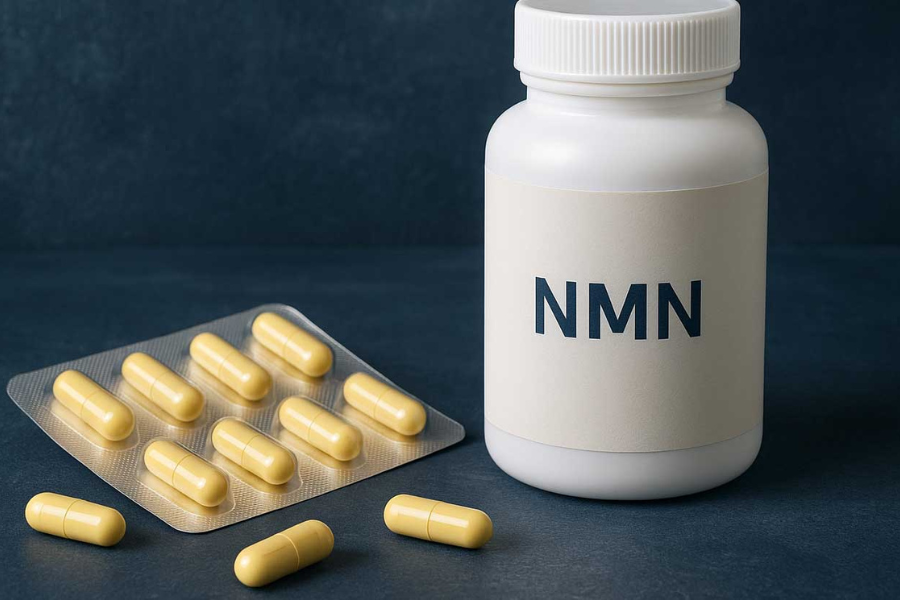
If you are considering NMN supplements, you are not alone. As people age, the body’s efficiency in turning food derived NMN into NAD+ decreases, so diet alone becomes less effective at maintaining optimal NAD+ levels (Jinfiniti).
Decode Age points out that while NMN rich foods are a sustainable and holistic way to maintain baseline NAD+, supplementation is often needed if you want higher, targeted NMN and NAD+ levels for specific anti aging goals (Decode Age).
Purovitalis also notes that NMN supplements can be taken up by cells directly without needing to convert to NAD+ first, which may support metabolic health and longevity more efficiently than relying on food sources alone (Purovitalis).
If you are thinking about adding a supplement:
- Talk with your healthcare provider, especially if you have medical conditions or take medications.
- See food as your foundation and supplements as a targeted layer on top, not a replacement for a nutrient dense diet.
- Pay attention to product transparency about how the NMN is produced and tested.
Putting it all together in your daily routine
You do not need a complicated plan to benefit from natural sources of NMN. Small, consistent choices add up over time and also deliver fiber, antioxidants, vitamins, and healthy fats that support whole body wellness.
Here are a few simple ways you can start:
- Add a handful of steamed or lightly salted edamame as an afternoon snack a few times per week.
- Build a salad that combines raw cucumber, tomato, avocado, and cabbage, with a citrus based dressing.
- Swap one meat based dinner each week for a stir fry that includes broccoli stems, shiitake mushrooms, and tofu or tempeh.
- Lightly steam broccoli and cabbage instead of boiling them, and eat them soon after cooking.
Consistent intake of NMN containing foods helps maintain baseline NAD+ levels, supports cellular functions, and complements any supplement strategy you choose to follow (DecodeAge).
You can start with one change this week, maybe adding edamame to your grocery list or choosing a broccoli and mushroom side dish. As you get comfortable, you can layer in more NMN rich foods and, if it makes sense for your health goals, explore supplements with guidance from a professional.
About The Author