Why Your Dash Diet for Hypertension Could Be a Game-Changer
A dash diet for hypertension can do more than bring your blood pressure down. It can also help you lose weight, protect your heart, and make day‑to‑day eating simpler instead of more stressful. The key is understanding how it works and how to make it fit your life, not the other way around.
Below, you will see what the DASH diet is, why it works so well for hypertension, and how to start using it in a realistic way.
Understand what the DASH diet is
The DASH diet, short for Dietary Approaches to Stop Hypertension, is an eating plan that focuses on whole, minimally processed foods. It was created specifically to prevent and treat high blood pressure by adjusting what you eat, not by adding special products or supplements.
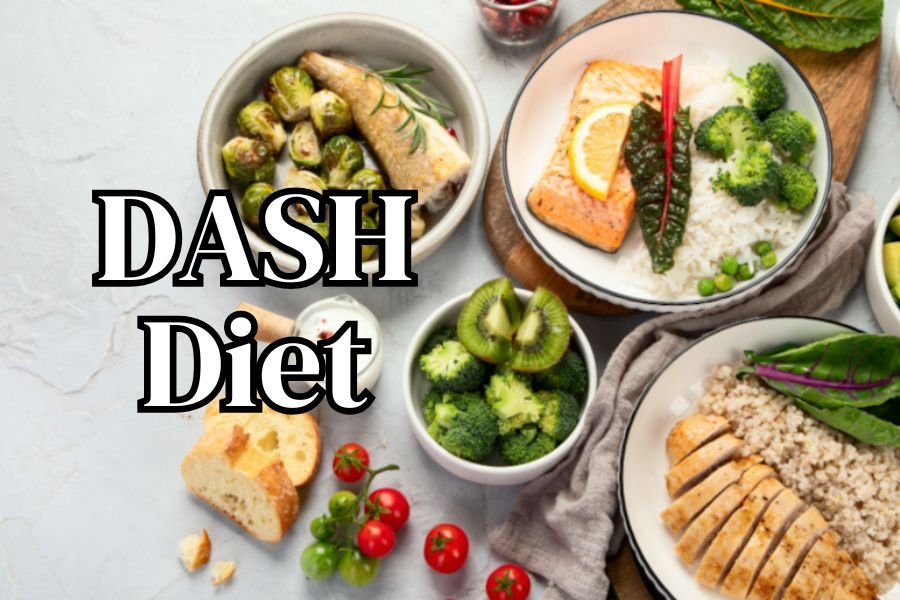
At its core, your plate on a DASH diet for hypertension is built around vegetables, fruits, whole grains, beans, nuts, seeds, lean proteins, and low‑fat or fat‑free dairy. You limit foods that are high in sodium, added sugar, and saturated fat, such as processed meats, salty snacks, fast food, and many packaged meals. The plan uses everyday grocery store foods and flexible serving ranges rather than strict meal kits or shakes, which is one reason it is considered sustainable for the long term (NHLBI).
The nutrients that make DASH work
The DASH diet does not rely on a single “magic” nutrient. Instead, it brings several blood pressure friendly nutrients together in one pattern:
- Potassium
- Calcium
- Magnesium
- Fiber
- Lean protein
- Lower sodium
Foods on the DASH plan are naturally rich in potassium, calcium, and magnesium, while being lower in sodium. This mix helps your blood vessels relax and supports better fluid balance, which is important if your blood pressure is high (Mayo Clinic).
See how DASH helps your blood pressure
When you follow a DASH diet for hypertension, you are not just “eating healthy” in a vague way. You are following a plan that has been tested in clinical trials and shown to lower blood pressure in a measurable way.
In the original DASH trial with 459 adults, those who followed the DASH eating pattern had the greatest reduction in blood pressure compared to people who stuck with a typical American diet, even though everyone consumed the same amount of sodium (NHLBI). That means the overall food pattern itself makes a real difference.
Why sodium still matters
Sodium is a major piece of the hypertension puzzle. The standard DASH plan keeps sodium at or below 2,300 milligrams per day. A lower sodium version tightens that limit to around 1,500 milligrams per day, which can lead to even greater improvements in blood pressure (Mayo Clinic).
The DASH‑Sodium trial, which included 412 adults, looked closely at this. People who followed the DASH diet and also cut sodium down to about 1,500 milligrams per day saw systolic blood pressure drops of about 7.1 mmHg if they did not have hypertension and about 11.5 mmHg if they did have hypertension (Cureus). That kind of change is large enough to matter for your long‑term heart health.
What the overall evidence shows
When you step back and look at multiple studies together, the impact is clear. A meta‑analysis of 17 randomized trials with more than 2,500 participants found that the DASH diet reduced systolic blood pressure by about 6.7 mmHg and diastolic blood pressure by about 3.5 mmHg. The effect was even stronger in people who already had high blood pressure or were also eating fewer calories for weight loss (Cureus).
Researchers have also found that DASH lowers LDL cholesterol and triglycerides, reduces 10‑year cardiovascular risk by roughly 13 percent, and is linked with fewer heart failure hospitalizations under age 75, along with benefits for bone health and uric acid levels (Cureus). In other words, you are not just lowering a number on a blood pressure cuff. You are improving your overall risk profile.
In head‑to‑head comparisons with typical eating patterns, the DASH diet consistently lowers blood pressure more, especially when you also reduce sodium intake (NHLBI).
Use DASH to support weight loss
If you are hoping your DASH diet for hypertension will also help you lose weight, you are on the right track. The plan is not labeled as a “weight loss diet,” but its structure naturally supports a calorie deficit without requiring extreme rules.
DASH emphasizes foods with high fiber and water content like vegetables, fruits, beans, and whole grains. These foods tend to be more filling for fewer calories, which makes it easier for you to eat less without feeling constantly hungry. At the same time, you are cutting back on calorie dense items such as fried foods, processed snacks, desserts, and sugary drinks.
In the PREMIER clinical trial, 810 adults with prehypertension or stage 1 hypertension were divided into different lifestyle programs. The group that added the DASH diet to lifestyle changes and counseling saw the greatest reductions in both blood pressure and body weight over six months (NHLBI). Another analysis from the same research showed that combining DASH with lifestyle changes reduced systolic blood pressure by 11.1 mmHg, more than advice alone (Cureus).
The takeaway for you is simple. If you use DASH as your baseline and then modestly reduce portions or your overall daily calories, you are likely to see both weight and blood pressure move in the right direction.
Learn what a typical DASH day looks like
You might be wondering what you actually eat in a day on a DASH diet for hypertension. The plan uses serving ranges based on a 2,000‑calorie pattern, which you can adjust up or down with your healthcare provider or a dietitian.
According to the National Heart, Lung, and Blood Institute, a 2,000‑calorie DASH day often includes (NHLBI):
- 6 to 8 servings of grains, mostly whole
- 4 to 5 servings of vegetables
- 4 to 5 servings of fruit
- 2 to 3 servings of fat‑free or low‑fat dairy
- Up to 6 servings of lean meat, poultry, or fish, with serving sizes kept modest
- 4 to 5 servings per week of nuts, seeds, or legumes
- Limited fats and oils, focusing on healthy unsaturated choices
- Minimal sweets and added sugars
You scale these serving numbers up or down depending on your calorie needs, but the proportions stay similar. That keeps things flexible while still giving you guardrails to work within.
A simple way to picture your plate
If serving counts feel overwhelming at first, you can use a simple plate model at most meals:
- Half your plate: nonstarchy vegetables such as leafy greens, broccoli, carrots, green beans, or peppers.
- One quarter: whole grains or starchy vegetables like brown rice, quinoa, whole wheat pasta, or roasted sweet potato.
- One quarter: lean protein like grilled chicken, fish, tofu, beans, or lentils.
- On the side: a piece of fruit and a serving of low‑fat or fat‑free yogurt or milk.
This approach automatically pushes your choices in a DASH direction and helps you see whether your plate is balanced without any math.
Reduce sodium without losing flavor
Sodium is one of the biggest adjustments when you follow a DASH diet for hypertension. The good news is that most of the sodium in your diet does not come from your salt shaker. It comes from packaged and restaurant foods. That means you can make a big difference by changing what you buy and how you cook, not just by sprinkling less salt.
The standard DASH plan caps sodium at 2,300 milligrams per day, about one teaspoon of table salt. The lower sodium version, which may be recommended if your blood pressure is high or you are at higher cardiovascular risk, keeps sodium closer to 1,500 milligrams per day (Mayo Clinic). If you are on blood pressure medication, you should continue taking it and let your healthcare provider know you are following DASH so they can monitor your readings (MedlinePlus).
To keep food enjoyable while cutting sodium, rely on herbs, spices, citrus, garlic, onion, and vinegar for flavor. Choose more fresh or frozen vegetables without added sauces, drain and rinse canned beans, and compare labels to find lower sodium versions of staples like broth, tomato products, and whole grain breads.
Combine DASH with other healthy habits
Diet is a powerful tool for managing hypertension, but it works even better when it is part of a bigger lifestyle picture. Research like the ENCORE study shows that when you pair the DASH diet with exercise and behavior‑based weight management, blood pressure drops even more, with some participants seeing systolic pressure fall by over 16 mmHg (Cureus).
Alongside your DASH eating pattern, try to:
- Aim for at least 30 minutes of moderate physical activity, such as brisk walking or cycling, on most days of the week, for a total of about 2 hours and 30 minutes weekly (MedlinePlus).
- Limit alcohol to no more than two drinks per day if you are a man and one drink per day if you are a woman, since too much alcohol can raise blood pressure (Mayo Clinic).
- Be mindful with caffeine, which can cause a temporary rise in blood pressure for some people, and discuss any concerns with your provider.
- Build small daily routines, like a short walk after dinner or prepping vegetables on Sundays, so your new habits feel automatic rather than like constant willpower.
Start your DASH journey in small steps
You do not need to change everything at once for a DASH diet for hypertension to help you. In fact, small, steady changes are usually easier to maintain and still deliver benefits.
You might start with one or two of these ideas:
- Add one serving of vegetables to lunch and dinner.
- Swap a salty snack for a piece of fruit and a handful of unsalted nuts.
- Cook at home one extra night each week using simple DASH‑friendly recipes.
- Replace sugary drinks with water or sparkling water.
- Choose a lower sodium version of one staple you buy regularly.
As these steps become normal, you can layer on more changes, such as cutting back on processed meats, shifting to whole grains most of the time, or gradually lowering your sodium target.
Over time, your grocery cart, your meals, and your blood pressure readings can all start to look different. With a DASH diet for hypertension, you are not just following a temporary plan. You are creating an eating pattern that protects your heart, supports healthy weight loss, and still works in your real life.
About The Author