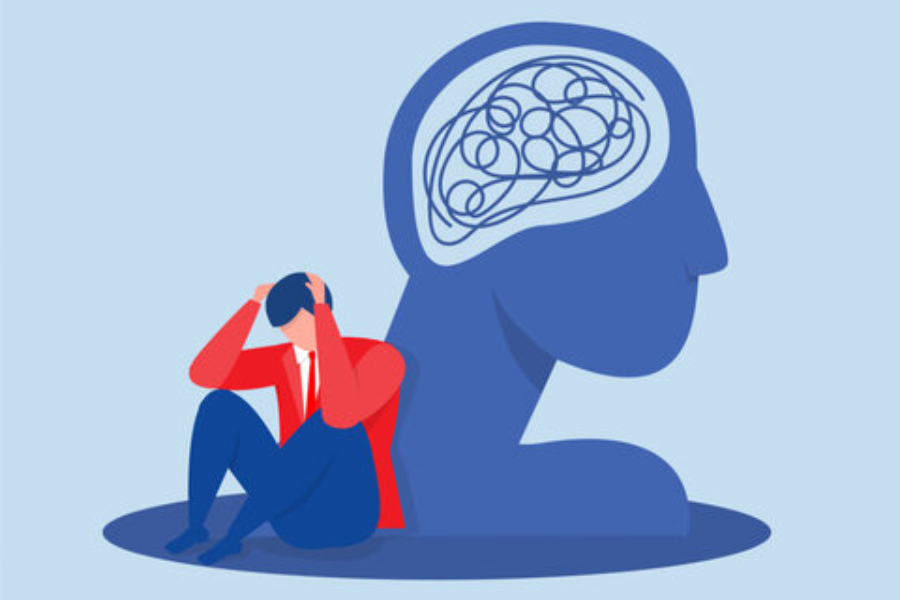
The Surprising Mental Health Awareness Importance You Need
Mental health awareness importance is often talked about in broad terms, but it affects your daily life in very specific ways. When you understand what mental health really is and how it shows up in your body, your work, and your relationships, it becomes much easier to protect it and ask for help when you need it.
Below, you will learn why awareness matters, how it shapes your wellbeing, and what simple steps you can take to turn awareness into action.
Understand what mental health really means
You might hear the phrase “mental health” and think it only applies if you have a diagnosed condition. In reality, your mental health is always present, just like your physical health. It affects how you think, feel, relate to others, handle stress, and make choices every day.
The World Health Organization puts it simply, stating that there is no health without mental health, and calls for a “whole of society” approach to support it in homes, schools, workplaces, and communities (WHO). This means your mind is not separate from the rest of your life. It is part of everything you do.
Once you see mental health as a continuum instead of a yes or no label, you can start noticing early signs that you might be struggling, such as irritability, trouble concentrating, or feeling constantly overwhelmed. Awareness lets you respond to those signals sooner rather than later.
See how mental health affects your body
Mental health awareness importance is closely tied to physical health. Stress, anxiety, and depression do not only live “in your head.” They can show up in your body in very real ways.
According to Southern New Hampshire University, mental health conditions like anxiety and stress can lead to high blood pressure, headaches, and loss of appetite, which shows how closely mental and physical wellness are connected (Southern New Hampshire University). When you ignore your mental state, you may also be ignoring the root cause of physical symptoms.
Pay attention to patterns such as:
- Frequent headaches or stomach issues
- Constant fatigue even after sleeping
- Changes in appetite or weight
- Muscle tension and racing heart without clear cause
These can be signs that your mind is under strain. Awareness helps you connect the dots instead of treating each symptom in isolation.
Recognize why early awareness prevents crises
Another reason mental health awareness is important is that it allows you to respond early, not only when things reach a breaking point. Many people push through warning signs because they do not feel “sick enough” or worry that asking for help means they are weak.
Dr. William La Valle from Southern New Hampshire University highlights that people often neglect their mental health, even though paying attention to early symptoms such as a shortened attention span and irritability is essential for living a full and productive life (Southern New Hampshire University).
When you are aware of what is normal for you, it becomes easier to notice when things are off. That awareness might lead you to:
- Schedule a check in with your doctor or therapist
- Adjust your workload or boundaries
- Reach out to someone you trust for support
Small steps taken early can prevent symptoms from turning into a crisis. Awareness is often the first line of protection.
Understand the role of stigma and why it must change
Stigma is one of the biggest reasons people stay silent about mental health. You might worry about being judged, misunderstood, or treated differently if you open up about what you are going through.
Research shows that stigma is still a major barrier to seeking help, even though attitudes toward some conditions like depression have improved over time (Park University). Education is one of the most powerful tools to reduce stigma, because accurate information replaces myths with understanding.
In England, the national “Time to Change” anti stigma campaign used media and public outreach to share messages that mental illnesses are common, that people can live meaningful lives with them, and that everyone can be supportive. People who were aware of the campaign reported feeling more comfortable talking about mental health with family, friends, and even employers, and were more likely to consider seeking help from a doctor (British Journal of Psychiatry).
When you learn more about mental health, you not only help yourself, you also become someone who makes it safer for others to speak up. Saying, “It is okay not to be okay,” and meaning it, can change how your friends, coworkers, and family members experience their own struggles.
See the wider impact on work and productivity
Mental health awareness importance is not just personal. It has a direct impact on how you work, earn a living, and participate in your community.
Nearly 60 percent of people in the world are employed, and the World Health Organization notes that every worker has a right to a safe and healthy work environment that protects their mental health (WHO). When your workplace is unsafe, stressful, or discriminatory, your mental health can suffer.
Psychosocial risks such as:
- Long or irregular working hours
- Job insecurity or unstable income
- Discrimination, harassment, or bullying
- Exposure to traumatic events (especially for emergency or health workers)
can increase your risk of mental health problems (WHO).
A review of research from multiple countries found that poor mental health, especially depression and anxiety, is strongly linked to lost productivity both through absenteeism (missing work) and presenteeism (being at work but unable to perform fully) (PMC). At a global level, the economic burden of mental illness was estimated in the trillions of dollars and is expected to keep rising, with most of the cost coming from lost productivity rather than treatment itself (PMC).
The positive side is that workplaces that promote mental health and support employees with mental health conditions are more likely to reduce absenteeism and presenteeism, which benefits both workers and employers (PMC). When you understand your own needs, you can advocate for flexible arrangements, reasonable workloads, and respectful treatment.
Appreciate why awareness months and campaigns matter
You might wonder if awareness months and campaigns actually change anything. For mental health, they do make a difference.
Mental Health Awareness Month has been recognized every May in the United States since 1949. It was established by Mental Health America to educate the public about mental illness, reduce stigma, and celebrate recovery in order to improve overall wellbeing (Brown University Health). This annual focus reminds you, and the people around you, that mental health deserves attention, not only during a crisis.
Nearly one in five adults in the US lives with a mental health condition, which means even if you do not struggle personally, someone you know almost certainly does (Brown University Health). Awareness efforts make it easier for those individuals and their loved ones to understand what they are facing and to find support networks.
During Mental Health Awareness Month, open conversations, events, and educational campaigns help correct misconceptions and encourage people to seek treatment and support. These efforts also help raise funds for research, treatment programs, and advocacy that can shape the future of mental health care (Brown University Health).
You can take part by joining national events like NAMIWalks, using tools from organizations such as Mental Health America’s Tools 2 Thrive, volunteering locally, or simply checking in on people you know who might be struggling (Brown University Health). Awareness becomes meaningful when it leads to action.
Awareness is not just knowing that mental health issues exist. It is choosing to respond with curiosity, compassion, and practical support, for yourself and for others.
Learn simple ways to strengthen your own mental wellbeing
Once you recognize the importance of mental health awareness, the next step is building habits that support your wellbeing. You do not have to overhaul your entire life to feel a difference. Even small, consistent actions can help.
Guidance from the NHS highlights a few everyday practices that support mental wellbeing (NHS):
Nurture your relationships
Strong, supportive relationships make it easier to cope with stress and setbacks. You can:
- Set aside regular time for family or friends
- Reach out to someone you have not spoken to in a while
- Volunteer or join a group to meet people with similar interests
Feeling connected helps you feel safer sharing how you really feel.
Move your body regularly
Physical activity is one of the most reliable ways to lift your mood. You do not have to run long distances to get benefits. A brisk walk, home workout, yoga session, or short strength routine can all help reduce stress and improve mental fitness (NHS).
Start with something small that fits into your schedule, like a 10 minute walk after lunch, and increase gradually if it feels good.
Keep learning new things
Learning a new skill can boost your confidence and give you a sense of purpose and progress. You might:
- Try a new recipe
- Take on a different responsibility at work
- Explore a new hobby or online course
The goal is not perfection. It is about staying engaged and curious (NHS).
Practice kindness and giving
Acts of giving, both large and small, can improve your mental wellbeing. Offering to help a neighbor, listening to a friend, or volunteering in your community can help you feel more connected and useful (NHS).
Pay attention to the present moment
Mindfulness means noticing your thoughts, feelings, body, and surroundings right now, without judgment. This can help you enjoy daily life more and handle challenges with a bit more calm. You can practice mindfulness by taking a few slow breaths, doing a short guided meditation, or simply focusing fully on one task at a time (NHS).
Turn awareness into your next step
Mental health awareness importance is not only about big campaigns or policy changes, even though those matter. It is also about the everyday choices you make to notice how you are doing, speak honestly about it, and reach for help and connection when you need it.
You can start very small:
- Name one feeling you have right now instead of pushing it away
- Send a message to someone you trust and tell them how you are doing
- Schedule that appointment you have been putting off
- Add a 5 or 10 minute walk, stretch, or quiet moment to your day
Each of these is a practical expression of awareness.
You deserve support, and you do not have to wait until everything feels unmanageable to ask for it. The more you understand and respect your mental health, the more room you create for a life that feels balanced, connected, and genuinely your own.
About The Author