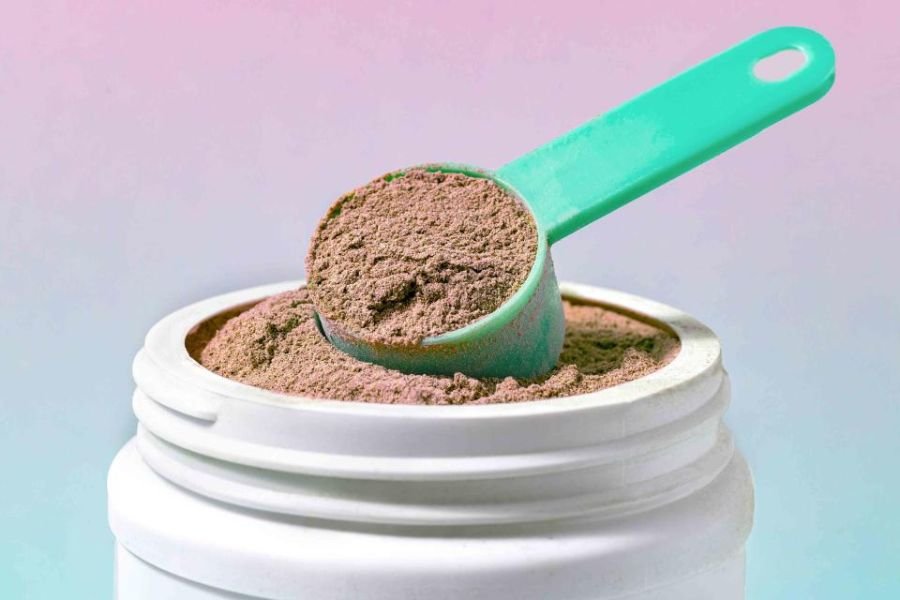
How to Choose a High Quality Whey Protein Powder
A huge supplement aisle and dozens of tubs can make figuring out how to choose whey protein powder feel confusing. With a few key label checks, you can quickly separate high quality options from the ones that are mostly sugar, fillers, and hype.
This guide walks you through how to choose whey protein powder step by step, so you know exactly what you are paying for and how it fits your goals.
Start with your fitness and health goals
Before you look at labels, get clear on why you want whey protein powder in the first place. Your main goal shapes the best type and formula for you.
If your primary goal is building or maintaining muscle, you want enough high quality protein per scoop to stimulate muscle protein synthesis. Research suggests around 20 to 25 grams of protein per serving is a smart target for most adults, which lines up with many standard 30 gram scoops (Garage Gym Reviews).
If you are focused on fat loss or keeping calories low, you will want that same 20 to 25 grams of protein with minimal carbs and fat. Whey protein isolate and hydrolyzed whey are typically better for this since they have higher protein percentages and less lactose, carbs, and fat than concentrate (Garage Gym Reviews, Healthline).
If you have a sensitive stomach or mild lactose intolerance, hydrolyzed whey or isolate are often easier to digest and contain very little lactose, especially compared to concentrate (Garage Gym Reviews, Healthline).
Once you know which bucket you fit into, you can pick the type of whey that matches.
Understand the main types of whey
All whey comes from dairy, but not all whey powders are processed the same way. The type you choose affects taste, price, and how your body handles it.
Whey concentrate
Whey concentrate is the most common and usually the most affordable type. It typically contains about 40 to 90 percent protein by weight, with the rest made up of carbs, lactose, and small amounts of fat (Myprotein, Healthline).
You might like concentrate if you:
- Want a cost effective option for general muscle building
- Tolerate lactose well
- Do not mind a small amount of extra carbs and fat
For most people who lift, play sports, or just want an easier way to hit their daily protein target, concentrate is often enough and also tends to have a creamier taste and texture.
Whey isolate
Whey isolate goes through extra filtration to remove more lactose, carbs, and fat. It generally has over 90 percent protein by weight and less than 1 percent lactose (Myprotein, University of Georgia Health Center).
Consider isolate if you:
- Want the highest protein per calorie
- Follow a low carb or calorie controlled diet
- Have mild lactose intolerance but still want whey
Isolate is usually more expensive than concentrate, but you get more protein in each scoop and fewer extras, which matters if you track macros closely.
Hydrolyzed whey (hydrolysate)
Hydrolyzed whey is isolate or concentrate that has been partially broken down through a process called hydrolysis. This breaks long protein chains into smaller peptides that can be absorbed faster and may be easier on your stomach (Garage Gym Reviews, Myprotein).
You might choose hydrolyzed whey if you:
- Have significant digestive sensitivities
- Want very fast absorption around your workouts
- Are willing to pay more for a more processed product
Hydrolyzed whey often tastes more bitter and costs more, so it usually only makes sense if you have specific digestion or timing needs.
Blends and tri blend whey
Some powders mix concentrate, isolate, and hydrolysate to offer a balance of cost, taste, and absorption speed. A tri blend whey combines all three forms in one supplement and is marketed to support muscle growth and recovery (Myprotein).
If you are not tied to a single type and just want a solid all round product, a blend can be a practical choice.
Check the protein per serving and protein ratio
Once you have chosen a type of whey, the next step in figuring out how to choose whey protein powder is to look at the numbers on the label.
For each scoop, check:
- Total grams of protein
- Scoop size in grams
- Calories
Health and fitness sources generally recommend aiming for at least 20 to 25 grams of protein per serving, which is enough for most people to maximize muscle protein synthesis after a workout (Garage Gym Reviews, Men’s Health).
You can also calculate the protein-to-weight ratio of each scoop. Divide grams of protein by the scoop size and multiply by 100. A high quality whey should have a protein ratio of over 65 percent, meaning more than 65 percent of the scoop is actually protein, not fillers (Wellbeing Nutrition).
For muscle building, look for powders that give you around 20 to 30 grams of protein per scoop with minimal unnecessary ingredients, and then adjust the number of scoops to match your overall daily protein target (Men’s Health).
Look for a complete amino acid profile
Not all proteins are created equal. When you want muscle growth, recovery, or maintenance, you need all nine essential amino acids.
Animal based proteins like whey and casein are complete proteins, so they naturally contain all essential amino acids that your body cannot make on its own (Garage Gym Reviews, University of Georgia Health Center).
When you read labels, look at:
- The amino acid profile, if it is listed
- How much leucine is in each serving
Leucine is especially important because it acts as a trigger for muscle building. Experts recommend choosing a whey powder with at least 2 to 3 grams of leucine per serving for effective muscle protein synthesis (Men’s Health).
Some labels also highlight branched chain amino acids, or BCAAs. Aim for about 3 to 5 grams of BCAAs per 25 gram serving of protein for better muscle energy and reduced muscle breakdown (Wellbeing Nutrition).
If you ever compare whey to plant based protein, remember that many single source plant powders are incomplete unless combined, so you may need blends to match whey’s amino acid profile (Garage Gym Reviews, University of Georgia Health Center).
Watch the carbs, fats, and sweeteners
Quality whey protein powders focus on protein first and keep extras in check. A little carbohydrate and fat can be useful, especially post workout, but you want to know exactly what you are getting.
Carbs and fat
Isolate based powders are usually lowest in carbs and fat. Many have 0 to 2 grams of fat and under 5 grams of carbohydrates per serving, which is ideal if you are tracking calories closely or following a low carb plan (Men’s Health).
If you are using whey as part of your post workout recovery, you might not mind a few more grams of carbs, especially if they come from whole food sources or natural sweeteners rather than added sugar. Just make sure any extra carbs match your goals (Men’s Health).
Added sugars and artificial sweeteners
Flavored protein powders often include sweeteners to improve taste. This is where you need to read the ingredient list carefully.
It is a good idea to avoid powders with high levels of added sugar since that increases calories and can work against fat loss or general health goals (Healthline, Garage Gym Reviews). Nutrition experts also suggest limiting artificial sweeteners such as sucralose and aspartame and instead looking for products that use natural, low calorie options like stevia or monk fruit (Wellbeing Nutrition, Forbes).
If you want the simplest ingredient list possible, you can pick an unflavored whey like a plain concentrate or isolate. For example, some unflavored options contain only whey protein concentrate and no added sugar or flavors, which gives you maximum control over sweetness and taste (Forbes).
Prioritize third party testing and certifications
Protein powders are not regulated like medications, so labels are not always perfectly accurate. To protect yourself, look for third party testing seals that show an independent organization has checked the product for purity and label accuracy.
Certifications to look for include:
- NSF or NSF Certified for Sport
- Informed Choice or Informed Sport
- U.S. Pharmacopeia, or USP
- ConsumerLab
Experts recommend choosing whey protein powders with third party certifications so you avoid harmful or banned substances and know that the amount of protein on the label actually matches what is in the tub (Garage Gym Reviews, Wellbeing Nutrition, Men’s Health, University of Georgia Health Center).
You can also look for brands that test for heavy metals like lead and cadmium, since some protein powders have been found with elevated levels. Nutrition experts suggest seeking companies that do voluntary testing and share those results so you know the product is safe (Forbes).
Quick test: if a company provides clear third party testing information and certifications on the label or website, that is a good sign you are dealing with a higher quality product.
Consider digestion, allergies, and medical conditions
Your ideal whey protein powder is not only about macros and flavor. It also needs to agree with your body.
If you have lactose intolerance, whey concentrate may cause gas, bloating, or stomach discomfort because it contains more lactose. In this case, whey isolate or hydrolysate, which have much lower lactose levels, are often better tolerated (Healthline, University of Georgia Health Center).
If you have more serious dairy allergies, even trace lactose or milk proteins in isolate or hydrolyzed whey can be an issue, so you may need to avoid whey entirely. Plant based alternatives like soy, pea, hemp, or rice protein might be a better fit, either alone or in blends that provide all essential amino acids (University of Georgia Health Center).
Anyone with kidney or liver issues should talk with a healthcare professional before adding whey protein supplements, especially at higher doses. Health sources note that if you already get adequate protein from food, extra supplementation might not be necessary or helpful (Healthline).
Make taste and texture work for you
You will only use a whey protein powder consistently if you actually like drinking it. Taste and mixability matter more than they might seem at first.
When you compare products:
- Check whether they dissolve smoothly in water or milk
- Notice if they leave a chalky aftertaste or clumps
- Consider whether you prefer simple flavors or more dessert like ones
Some popular whey products are recommended in part because they strike a good balance between taste, texture, and price. For example, certain brands offer 24 grams of protein per scoop with many flavors, although some formulas use artificial sweeteners that may bother sensitive stomachs (Forbes).
Trying a smaller tub first or testing single serving packets can help you avoid getting stuck with a huge container of a flavor you do not enjoy.
Use the right dose for your routine
Once you have chosen a high quality whey protein powder, think about how it fits into your day. Most people do well with about 1 to 2 scoops per day, which comes out to roughly 25 to 50 grams of protein in supplement form (Healthline).
You can:
- Have a scoop after workouts to support recovery and muscle building
- Add a scoop to breakfast or a snack if you struggle to hit your daily protein target with food alone
- Use half scoops if you want smaller protein boosts spread across the day
Whey is meant to supplement a protein rich diet, not replace whole food sources entirely. If you are already hitting your protein needs from foods like meat, eggs, dairy, beans, and lentils, extra whey may not provide much additional benefit (Healthline).
Key takeaways
When you know how to choose whey protein powder, the supplement aisle stops feeling overwhelming. You are looking for a powder that:
- Matches your goals and digestion needs, whether that is concentrate, isolate, hydrolyzed, or a blend
- Provides roughly 20 to 30 grams of protein per scoop with a protein to weight ratio above 65 percent
- Has a complete amino acid profile with at least 2 to 3 grams of leucine per serving and 3 to 5 grams of BCAAs per 25 grams of protein
- Keeps carbs, fat, added sugars, and artificial sweeteners in line with your preferences and goals
- Carries third party certifications so you can trust the label and avoid contaminants
- Tastes good enough and mixes well so you will actually use it
Start by checking the type of whey and protein per scoop on one product you already own or are considering. Once you get comfortable reading labels with a critical eye, finding a high quality whey protein powder becomes a straightforward part of your nutrition routine instead of a guessing game.
About The Author


