Whey Protein Powder for Women
Whey protein powder for women is no longer just a “gym bro” supplement. It is a practical tool that can help you hit your protein needs, support lean muscle, protect your bones, and even back up your immune system, all in a form that is quick to drink and easy to carry. If you have ever wondered whether it is actually right for you, or worried it might be “too much,” you are not alone.
This guide walks you through what whey protein powder is, how it supports women’s health at different ages, what to watch out for on labels, and how to use it in a simple, sustainable way.
Understand what whey protein powder is
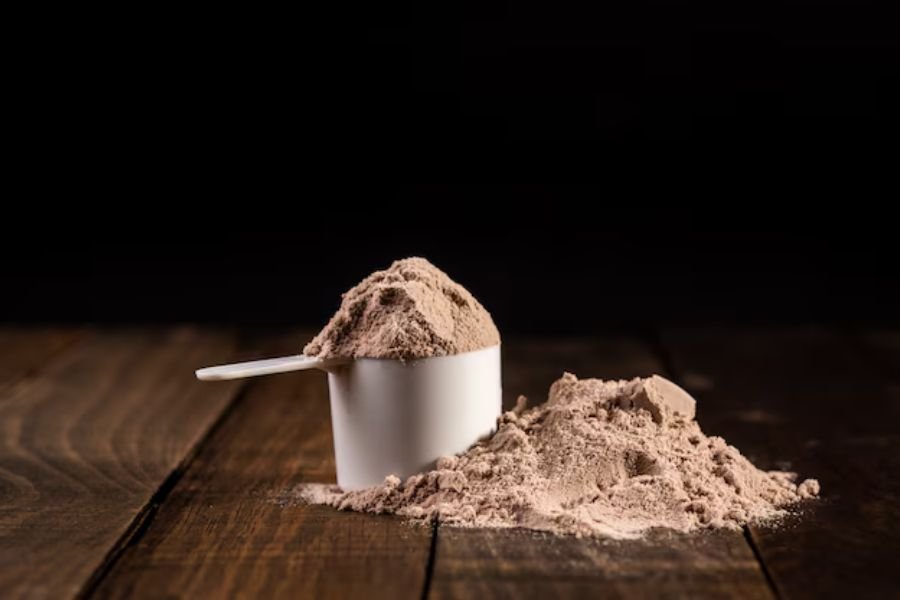
Whey is a complete, high quality protein that comes from milk. When cheese is made, a liquid separates from the curds. That liquid is whey. It is then filtered, dried, and turned into the powder you see in tubs at the store.
You get all nine essential amino acids in whey protein powder, and your body absorbs it quickly, which makes it one of the most effective dietary protein sources available today (Healthline). This fast absorption is one reason it is so popular after workouts.
There are a few main types you will see on labels:
- Whey protein concentrate. Contains protein, plus some carbs and fats from lactose.
- Whey protein isolate. More protein with fewer carbs and fat, and often better tolerated if you are sensitive to lactose (MD Anderson).
- Blends. A mix of concentrate and isolate, sometimes with added ingredients like fiber, sweeteners, or flavoring.
Most powders provide about 20 to 30 grams of protein per serving, and some ready to drink shakes reach 40 grams or more (MD Anderson).
See how whey protein supports women’s health
Whey protein powder for women is about much more than building visible muscle. It contributes to many systems in your body, both now and as you age.
Build and maintain lean muscle
Your body uses amino acids from protein to repair and build muscle tissue. Whey is rich in leucine, the amino acid that kicks off muscle protein synthesis. Higher protein diets that include whey are consistently linked with better lean mass and lower body fat in women (Kinetica Sports).
Muscle matters even if your goal is not a six pack. Women naturally lose about 3 to 8 percent of muscle per decade after age 30, and the pace speeds up after 60 (MyHealthBuddy). Paired with resistance training, whey protein helps you:
- Recover from workouts
- Maintain strength for daily tasks
- Stay independent and mobile later in life
Research reviewed by both Healthline and Kinetica Sports highlights whey’s role in preventing or slowing age related muscle loss, especially when you combine it with strength training (Healthline, Kinetica Sports).
Protect your bones as you age
Women face a much higher risk of osteoporosis, particularly after menopause. The National Osteoporosis Foundation reports that 1 in 2 women over 50 will break a bone because of it (MyHealthBuddy). Protein is a building block for bone, not just muscle.
Studies show that components of whey, such as milk basic protein, can increase bone mineral density and improve bone metabolism in healthy women (WebMD). Trials combining resistance exercise with protein supplementation also suggest better bone turnover and strength in young adult women (WebMD).
High protein diets that include whey have been linked with higher bone mineral density and slower bone loss, which is particularly valuable during perimenopause and menopause (MyHealthBuddy).
Support a healthy weight
If weight management or fat loss is on your mind, whey can be a helpful tool rather than a magic solution. It increases satiety better than some other protein sources and helps you feel comfortably full for longer, which can make it easier to reduce overall calorie intake without feeling deprived (Healthline).
Women following higher protein diets that include whey protein tend to preserve more lean muscle while losing fat and may lower cardiovascular risk factors at the same time (Kinetica Sports). More muscle also means a slightly higher resting metabolic rate, which supports long term weight maintenance.
Keep your immune system resilient
Whey protein for women also helps behind the scenes in your immune system. It supports the production of glutathione, a key antioxidant, and T cells, which are important for your body’s defense against infections (Kinetica Sports).
Your amino acid needs shift throughout your menstrual cycle, especially if you are training regularly. Adjusting protein intake, including whey, can help cover these changing demands and may support better overall recovery and menstrual health (Kinetica Sports).
Some research has even explored beneficial effects of whey in women with compromised health, including improved muscle mass, strength, and quality of life in women living with HIV when whey was combined with resistance exercise (WebMD).
Nourish hair, skin, and nails
Protein is the raw material your body uses to produce keratin and collagen. These are the structural proteins that keep your hair strong, your skin elastic, and your nails resilient. Adequate protein intake with the help of whey can support healthy hair, delay the appearance of wrinkles, and maintain joint mobility (MyHealthBuddy).
You do not need “beauty powders” loaded with extras to get these benefits. Hitting your overall protein needs with a simple, clean whey product plus a balanced diet often does more for your skin and hair than complicated supplement stacks.
Whey protein is not a steroid or a shortcut. It is simply a concentrated form of a nutrient your body already needs every day.
Clear up common myths about whey protein
If you have hesitated to use whey protein powder for women, it may be because of persistent myths.
One common worry is that whey will make you “bulky.” In reality, muscle growth requires a surplus of calories, progressive strength training, and time. Whey alone cannot override your genetics or training style. It supports whatever goal you pair it with, whether that is fat loss, maintenance, or strength.
Another myth is that whey is inherently bad for your kidneys. Current evidence indicates that healthy women can safely consume higher protein diets without harming kidney function. Caution is important only if you already have kidney or liver disease or metabolic disorders. In that case, you should speak with your healthcare provider before adding protein powders (Women’s Health).
You might also hear that protein powders are “only for bodybuilders.” Everyday women of all ages use whey to:
- Fill gaps when appetite is low
- Make breakfast more substantial
- Recover from workouts
- Support muscle and bone health during menopause
Experts emphasize that whey is a natural, safe protein source for women and can be used any time of day, even if you are not currently exercising, to help prevent muscle loss with age (MyHealthBuddy).
Choose a safe and effective whey protein
Not every tub of protein powder is created equal. Quality and ingredients vary a lot, so it pays to look closely at the label.
Check protein type and content
Aim for around 20 grams of protein per serving, which fits well into most meals and snacks (Women’s Health). Make sure the source is a complete protein. Animal based powders like whey are complete, while some plant powders and collagen supplements lack one or more essential amino acids and should not be your only protein source (MD Anderson).
If you are lactose intolerant or sensitive, look for a whey isolate. It provides more protein with fewer carbs and fats, and is generally better tolerated for many people who cannot handle regular dairy products (MD Anderson).
Watch sugar, additives, and contaminants
Some powders are essentially dessert mixes with extra protein. They may contain added sugars, artificial sweeteners, flavorings, and thickeners, all of which add calories and can upset your stomach. Excess sugar can also work against your weight or blood sugar goals. Experts recommend choosing powders with little to no added sugar and being cautious with sugar alcohols that can cause gas and bloating (MD Anderson).
There is also the question of purity. A Clean Label Project report in 2024 found that many protein powders contained contaminants like heavy metals, BPA, and pesticides, sometimes above recommended limits (Harvard Health Publishing). Although whey based powders generally have lower heavy metal contamination than some plant based ones, you still want brands that use independent third party testing and are transparent about their results (Forbes).
Harvard dietitian Kathy McManus advises choosing chemical free protein powders and using them under medical guidance if you have any underlying conditions. She also stresses that most of your protein should ideally come from whole foods like nuts, seeds, dairy, legumes, fish, poultry, eggs, and lean meat (Harvard Health Publishing).
Compare your options
Here is a quick comparison of some whey options that have been highlighted in recent reviews:
| Product | Protein per serving | Key features | Watch out for |
|---|---|---|---|
| Optimum Nutrition Gold Standard Whey | 24 g per 31 g scoop | Widely recommended, many flavors, budget friendly (Forbes) | Some flavors use artificial sweeteners that may bother sensitive stomachs |
| Naked Unflavored Whey | 25 g, varies by flavor | Single ingredient, grass fed, no added sugar or sweeteners (Forbes) | Unflavored taste can be bland if you prefer sweetness |
| Promix Whey Isolate | 30 g per serving | Very low fat and carbs, suitable for many with lactose intolerance, third party tested (Women’s Health) | Higher price per serving than some mainstream brands |
| Ghost Whey | 25 g per serving | Creative, dessert inspired flavors (Forbes) | Added sugar and artificial sweeteners increase calories and may not suit everyone |
Use these details as a starting point, then layer your own needs on top, such as budget, flavor preferences, and any digestive sensitivities.
Figure out how much protein you really need
For many women, the default “46 grams a day” recommendation is a minimum, not an optimal target. That number is the Recommended Dietary Allowance set to prevent deficiency, not to support active lifestyles, recovery, or healthy aging (Harvard Health Publishing).
More recent research suggests that women benefit from about 1.2 to 2.0 grams of protein per kilogram of body weight per day, especially if you are active or want to build or maintain muscle (Women’s Health). For a 150 pound woman, that works out to roughly 80 to 135 grams per day.
Whole foods should be your base. Protein powders are there to:
- Fill in when you do not have time to cook
- Support recovery after a workout
- Help you hit your daily total without overeating
If you have kidney or liver disease, metabolic disorders, significant allergies, or if you are pregnant or breastfeeding, you should check in with your healthcare provider before adding whey or any other protein supplement (Women’s Health).
Add whey protein to your routine the easy way
You do not need elaborate shake recipes or a full home gym to get value from whey protein powder for women. Start simple and build from there.
You might:
- Stir a scoop into a smoothie with fruit, yogurt, and spinach for a quick breakfast
- Shake it with water or milk in a blender bottle for a post workout option
- Mix unflavored whey into oatmeal or yogurt to boost protein without changing the taste much
- Blend it with frozen berries and a spoonful of nut butter for a satisfying afternoon snack
For most women, one scoop once or twice a day is plenty, especially if you are already eating protein with each meal. If you feel overly full, bloated, or notice changes in your digestion, pull back and see how you feel with a smaller serving.
Finally, treat whey as a support, not a shortcut. Pair it with resistance training, enough sleep, and mostly whole foods, and you will get far more from that tub of powder than if you rely on it alone.
If you are curious, you can start with one small change, such as adding a scoop of a clean, low sugar whey isolate to your breakfast. Notice how your energy, appetite, and recovery feel over the next couple of weeks, then adjust from there.
About The Author