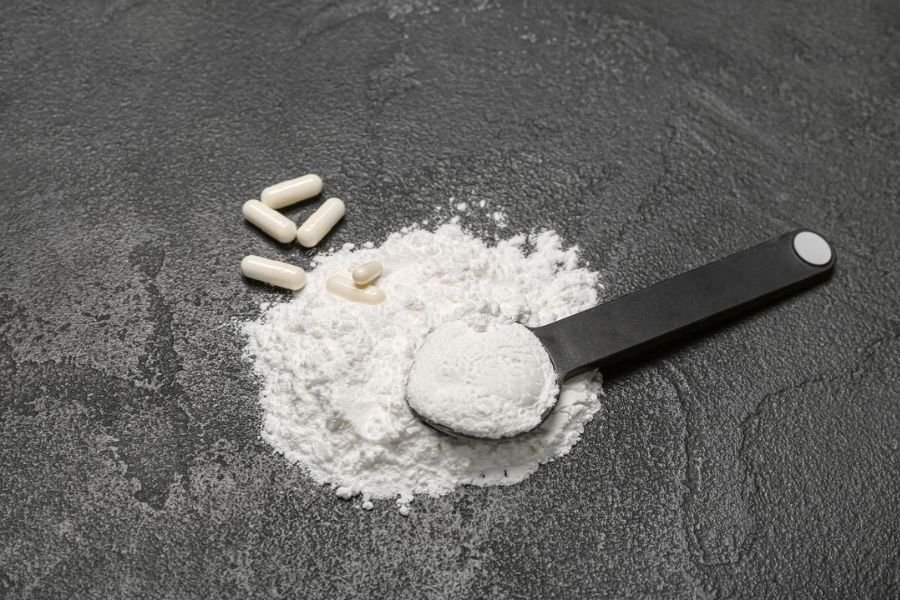
What Happens to Your Body After 30 Days of Taking Creatine
Creatine stands as one known supplements in strength training, team sports, and high-intensity performance. Athletes use it to gain strength, improve power output, support muscle growth, and speed up recovery. Researchers have also examined its role in brain function and cognitive performance. After 30 days of consistent use, creatine produces noticeable changes inside the body, though the timeline and results differ from person to person.
This article explains what creatine does, how it works inside your muscles and brain, what you may feel during the first month, and how to tell whether it is working for you.
Understanding What Creatine Does in the Body
Creatine is a compound your body already produces and stores. The liver, kidneys, and pancreas create small amounts of it each day. You also get creatine from food, mainly meat and fish.
Your body uses creatine as part of the phosphocreatine system. This system helps regenerate ATP, the main energy molecule used during short bursts of intense activity. Sprinting, heavy lifting, and explosive movements rely heavily on this process.
Where Creatine Is Stored
Most creatine resides in skeletal muscle. Roughly 95 percent stays in muscle tissue, while the remaining amount exists in the brain and other organs. Because muscles depend on rapid energy availability, higher creatine stores support stronger and longer efforts during demanding exercise.
The brain also uses creatine for energy regulation. Although the percentage stored there is smaller, changes in brain creatine levels can still influence mental performance.
Why Supplementation Makes a Difference
Even though your body already has creatine, supplementation can raise muscle creatine levels by about 20 to 30 percent. This increase gives your muscles a larger energy reserve. Over time, that reserve supports greater training volume, higher output, and better recovery.
Not everyone responds the same way. Around 20 to 30 percent of people already have near-maximal creatine saturation in their muscles. These individuals see smaller changes from supplementation. Vegetarians and vegans often experience stronger effects because their diets provide less creatine.
How Creatine Builds Up Over the First 30 Days
When you start taking creatine, your body does not absorb and store it instantly. Muscles need time to reach full saturation. The speed of this process depends on how much creatine you take each day.
Loading Phase vs. Daily Maintenance
Some people begin with a loading phase. This approach involves taking larger doses for several days to increase muscle stores quickly. With this method, muscles typically reach saturation in about one week.
Others skip loading and take a consistent daily dose from the start. This slower approach usually reaches full saturation within two to three weeks. Both strategies lead to the same result once saturation occurs.
Early Changes You May Notice
During the first week or two, creatine pulls water into muscle cells. This effect increases intracellular hydration, which explains the early changes many people notice.
You may experience a slight increase in body weight, usually between one and three pounds. This change reflects water stored inside the muscles rather than fat gain. Muscles may also appear fuller and feel firmer.
Common Side Effects During the First Month
Creatine has a strong safety profile for healthy individuals, but some short-term effects can appear during the saturation period.
Water Retention and Weight Changes
The most common effect involves water retention within muscle tissue. This process supports muscle function and contributes to a fuller appearance. The scale may rise quickly if you use a loading phase, while gradual dosing spreads the change over several weeks.
This effect does not signal dehydration or poor health. Drinking enough fluids helps maintain balance while your muscles adapt.
Digestive Discomfort
Some people report stomach discomfort during the early stages of creatine use. Larger single doses increase the likelihood of this issue.
Several strategies can reduce discomfort:
- Split daily intake into smaller doses
- Avoid taking creatine on an empty stomach
- Limit combining creatine with caffeine
- Dissolve creatine fully, sometimes using warm water
If discomfort continues, switching to a lower daily dose often resolves the issue.
Creatinine Levels on Blood Tests
Creatine breaks down into creatinine, a compound often measured during routine blood work. Supplementation can raise creatinine slightly, which may concern those unfamiliar with this effect.
In healthy individuals, this increase does not indicate kidney damage. Medical professionals typically recognize this response. Always discuss blood test results with a healthcare provider for proper interpretation.
What Changes After Full Saturation
Once your muscles reach full creatine saturation, performance-related benefits become more noticeable. This stage usually occurs between one and three weeks, depending on dosing strategy.
Strength and Power Improvements
Research consistently shows that creatine improves strength and power output. Studies indicate trained lifters often see strength increases of around eight percent. Repetition capacity may improve by roughly 14 percent.
Less experienced lifters often experience larger relative gains. Improved energy availability allows them to perform more work during training, which accelerates adaptation.
These changes do not appear overnight. Instead, they accumulate as higher training quality leads to better long-term progress.
Increased Training Volume
Creatine allows muscles to regenerate energy more quickly between sets. This benefit often leads to extra repetitions, heavier loads, or shorter rest periods.
Over weeks of training, even small increases in volume add up. That extra work plays a major role in muscle growth.
Faster Recovery Between Sessions
Many athletes report improved recovery after starting creatine. Research involving competitive athletes supports this observation.
Better recovery may mean less soreness, quicker readiness for the next session, or improved performance across multiple workouts in a week. These effects support consistency, which drives long-term results.
Effects on Muscle Size and Appearance
Creatine influences muscle size in two ways. First, water enters muscle cells, increasing their volume. Second, improved training performance supports muscle protein synthesis over time.
The early size increase comes mostly from water content. Over longer periods, consistent training combined with creatine contributes to actual muscle growth.
This process explains why creatine often produces visible changes within the first month, even before significant tissue growth occurs.
Creatine and Brain Function
The brain demands constant energy. Creatine plays a role in maintaining that energy supply, especially during mentally demanding conditions.
Increased Brain Creatine Levels
Supplementation can raise brain creatine levels by up to ten percent. This increase supports energy metabolism in neural tissue.
Cognitive Performance Benefits
Research links creatine supplementation to improvements in short-term memory and certain intelligence test outcomes. These benefits appear more clearly under stressful conditions such as sleep deprivation.
People with lower baseline creatine levels, including vegetarians and vegans, often experience stronger cognitive responses.
While creatine does not replace proper sleep or nutrition, it may offer support during periods of high mental demand.
How to Tell If Creatine Is Working
Creatine does not produce dramatic sensations. Instead, its effects appear through performance trends and training consistency.
Signs that creatine is working include:
- Gradual increases in strength
- Ability to perform more repetitions at the same weight
- Improved recovery between workouts
- Fuller muscle appearance
- Better focus during demanding tasks
Tracking workouts over several weeks provides the clearest evidence of progress.
Why Creatine Does Not Work the Same for Everyone
Genetics, diet, and training status all influence how someone responds to creatine. Those with high natural creatine stores see smaller changes. Others experience more noticeable improvements.
Lack of response does not indicate a problem. It simply reflects natural variation.
The Role of Training and Nutrition
Creatine enhances what you already do. It does not replace proper training or nutrition. Without consistent resistance training and adequate protein intake, creatine offers limited benefit.
When combined with structured workouts and balanced nutrition, creatine supports stronger performance and better results over time.
Final Thoughts on the First 30 Days
After 30 days, most people reach full creatine saturation and experience improved training performance, better recovery, and subtle physical changes. Some also notice cognitive benefits, especially during demanding conditions.
Creatine remains one of the most researched and reliable supplements available. Used consistently and responsibly, it supports both physical and mental performance without altering fundamental training principles.
About The Author





