Discover Effective Self Care for Mental Health Routines
Self care for mental health is not a luxury or a trend, it is basic maintenance for your brain and body. When you treat caring for yourself like an afterthought, stress can build until it affects your sleep, mood, focus, and relationships. With a few simple routines, you can protect your mental health before it reaches that point.
The ideas below are practical, quick to start, and backed by leading health organizations. You do not need a perfect routine. You just need one or two habits you can practice most days.
Understand what self care for mental health really is
Self care for mental health means doing small, consistent things that support how you feel, think, and cope. It includes your body, your emotions, and your relationships, not just bubble baths or treating yourself.
The National Institute of Mental Health defines self care as taking time for activities that improve your physical and mental health, even in small daily ways that fit your life (NIMH). It is less about what looks good and more about what actually helps you feel grounded, rested, and able to handle stress.
Self care also includes knowing when you cannot manage alone and need extra support. If you have been struggling for two weeks or more with symptoms that make daily life hard, such as low mood, anxiety, or changes in sleep and appetite, NIMH recommends reaching out for professional help (NIMH).
Spot your stress signs and triggers
Before you can build helpful self care routines, it helps to know what you are up against. Stress is not only big life events. It can be the steady drip of small pressures that never seem to stop.
According to the NHS, identifying the cause of your stress is the first step to feeling better, because ignoring it can allow problems to grow and affect your health over time (NHS).
Notice three things:
- What you feel in your body, such as headaches, tight shoulders, racing heart, or stomach issues
- What you think, such as worst case scenarios, self criticism, or feeling overwhelmed
- What you do, such as snapping at people, procrastinating, withdrawing, or overworking
Then ask what tends to set these off. It might be specific situations at work, certain people, money worries, or a long to do list with no breaks. Once you see the pattern, you can choose self care habits that match what you actually need.
Build a simple physical self care base
Your body and mind are closely linked. Physical self care is often the fastest way to shift your mood and stress level, even if you are not changing anything else.
Move your body to release tension
Physical activity is one of the most reliable stress relievers you can use. The NHS notes that exercise can reduce the emotional intensity of stress, clear your thoughts, and help you approach problems more calmly (NHS). Mayo Clinic adds that everyday activities like walking, gardening, swimming, or even housework can increase feel good endorphins and help you let go of daily irritations (Mayo Clinic).
You do not need a gym membership to benefit. Aim for movement that feels realistic and kind to your body:
- A 10 minute walk after meals
- Stretching your neck, back, and hips between meetings
- Dancing to one song while you make coffee
- Light yoga before bed to wind down
The key is consistency, not intensity. Even short bursts of movement, done most days, can support your mental health.
Protect your sleep like a non negotiable
Sleep is one of the strongest foundations of self care for mental health. Mayo Clinic recommends 7 to 9 hours of sleep per night for most adults, and notes that good sleep helps your brain and body reset and reduces stress (Mayo Clinic).
You can improve your sleep quality with a few small changes:
- Keep a regular sleep and wake time, even on weekends
- Create a 20 to 30 minute wind down routine with low light and quiet activities
- Keep screens out of bed and dim brightness in the hour before sleep
- Make your room cooler, darker, and as quiet as possible
If you treat bedtime like an appointment with yourself, you are more likely to follow through.
Support your body with gentle choices
Physical self care also includes what and how you eat and drink. HelpGuide notes that habits like getting quality sleep, moving regularly, and eating nutrient dense foods, including those rich in omega 3s or probiotics, are linked with lower depression, anxiety, and stress (HelpGuide).
It also helps to be mindful of coping strategies that backfire. The NHS warns that leaning on alcohol, smoking, or too much caffeine may bring a quick sense of relief but often make stress and health problems worse in the long run (NHS). You do not have to be perfect. Start by noticing when you reach for these and ask what you really need in that moment, such as rest, company, or a change of scene.
Practice emotional self care every day
Emotional self care is about how you relate to your own feelings. Instead of pushing them away or judging them, you give yourself space to feel and process.
HelpGuide explains that practices such as journaling, meditation, therapy, and self validation help you manage emotions, heal from difficult experiences, and build emotional intelligence, which strengthens your overall mental wellbeing (HelpGuide).
Try simple mindfulness or meditation
Meditation and mindfulness do not have to be long or complicated to help. Mayo Clinic notes that guided meditation, deep breathing, and mindful attention can quiet jumbled thoughts, promote calm, and improve emotional balance, even when you practice them in short moments during a commute or walk (Mayo Clinic).
You can start with:
- Inhale for 4 counts, hold for 4, exhale for 6, repeat for a few minutes
- Notice 5 things you can see, 4 you can feel, 3 you can hear, 2 you can smell, 1 you can taste
- Use a short guided meditation app for 5 minutes in the morning or before bed
The goal is not to stop your thoughts. It is to give your mind a small daily break from constant pressure.
Use journaling to untangle your thoughts
Writing your thoughts on paper can make them feel less overwhelming. You might:
- Describe what happened today and how you felt
- Ask yourself what you need right now, then answer honestly
- Write a letter to yourself from the point of view of a kind friend
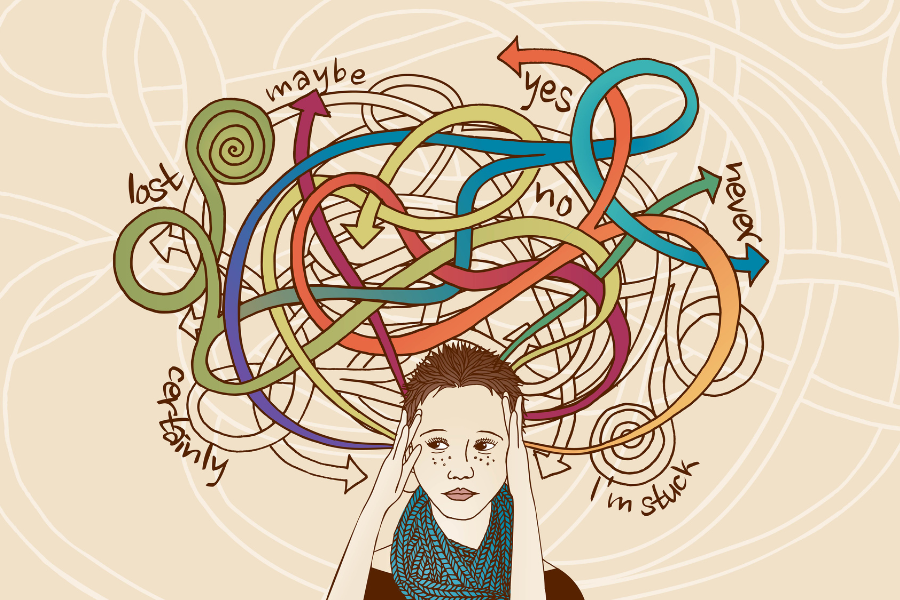
This type of emotional self care gives your feelings a safe place to land instead of letting them swirl in your head.
Build a kinder inner voice
How you talk to yourself has a strong effect on your mental health. The NHS suggests practicing gratitude by noticing three positive things or three things you are grateful for each day and gradually shifting your focus toward more balanced or positive thoughts (NHS).
You might rewrite harsh self talk from:
- “I messed everything up”
to - “That did not go how I hoped, but I am learning what to try next time.”
Over time, this type of gentle correction helps your brain feel safer and less on edge.
Strengthen your social and support network
Human connection is a powerful form of self care for mental health. You do not need a large social circle. You just need a few relationships where you can be honest and feel supported.
The NHS highlights that building and maintaining a support network with colleagues, friends, and family can ease work related stress and give you new ways to see your problems (NHS). Mayo Clinic also notes that staying socially connected, including through volunteer work, provides emotional support, distraction, and resilience during hard times (Mayo Clinic).
HelpGuide describes social self care as nurturing existing relationships and forming new ones through group activities or volunteering, and explains that this helps reduce feelings of isolation and loneliness that can worsen depression and harm your physical health (HelpGuide).
You can support your social wellbeing by:
- Sending a quick message to one friend each day
- Planning short, low pressure meetups like a walk or coffee
- Joining a hobby group, class, or volunteer project that interests you
- Setting small boundaries with people who drain your energy
Connection does not always mean deep conversations. Sometimes simply being around others, even quietly, can improve how you feel.
Create a realistic self care plan that fits your life
The most effective self care for mental health is the routine you can actually keep. A complicated plan that exhausts you will not last. A simple, flexible one can become part of your daily rhythm.
HelpGuide suggests creating a personal self care plan that includes specific goals, realistic routines, relaxation techniques, emotional skills, and ways to build your social support network, and notes that this kind of plan can improve mood, reduce stress, prevent burnout, and boost your confidence over time (HelpGuide).
You can start with three steps:
-
Assess your needs
Look at your week and notice where you feel most drained. Is it lack of sleep, no time alone, too many obligations, or constant digital noise -
Pick one small action in each area
For example:
- Physical: Walk outside for 10 minutes after lunch
- Emotional: Do a 5 minute breathing exercise before bed
- Social: Call or text someone you trust once this week
- Schedule your habits like appointments
Put them on your calendar or to do list. Treat them as commitments to yourself, not optional extras.
Self care is not about doing everything at once. It is about gentle, consistent attention that adds up.
Think of self care less as “fixing” yourself and more as listening to yourself and responding with kindness.
Know when to seek professional help
Even strong self care routines have limits. There is no failure in needing more support. In fact, reaching out is a sign that you are taking your mental health seriously.
NIMH advises seeking professional help if intense or distressing symptoms last for two weeks or more, or if they interfere with daily life such as work, school, or relationships (NIMH). A primary care provider can help you understand what is going on and refer you to qualified mental health professionals like psychologists, psychiatrists, or clinical social workers (NIMH).
If you ever have thoughts of harming yourself or feel that you might act on them, you deserve immediate support. In the United States, the 988 Suicide & Crisis Lifeline offers free, confidential help 24 hours a day by call, text, or chat (NIMH).
Depending on your situation, you might also have access to counseling through an employee assistance program or your health plan. For example, Marquette University employees can use the LifeMatters Employee Assistance Program for free, confidential counseling sessions, and can access additional care through their medical plan’s provider network (Marquette Today).
Professional help and self care are not either or choices. They work best together.
Putting it all together
Self care for mental health is about building a life that supports you, instead of one that constantly drains you. Research from NIMH, the NHS, Mayo Clinic, HelpGuide, and others consistently points to the same core ideas: move your body, protect your sleep, practice emotional awareness, stay connected to others, and ask for help when you need it (NHS) (Mayo Clinic) (NIMH) (HelpGuide).
You do not have to transform your entire routine overnight. Choose one idea that feels manageable today, such as:
- Taking a short walk after work
- Writing down three things you are grateful for before bed
- Sending a message to a friend you miss
Small steps are still steps. Over time, they can reshape how you feel in your own life.
About The Author





