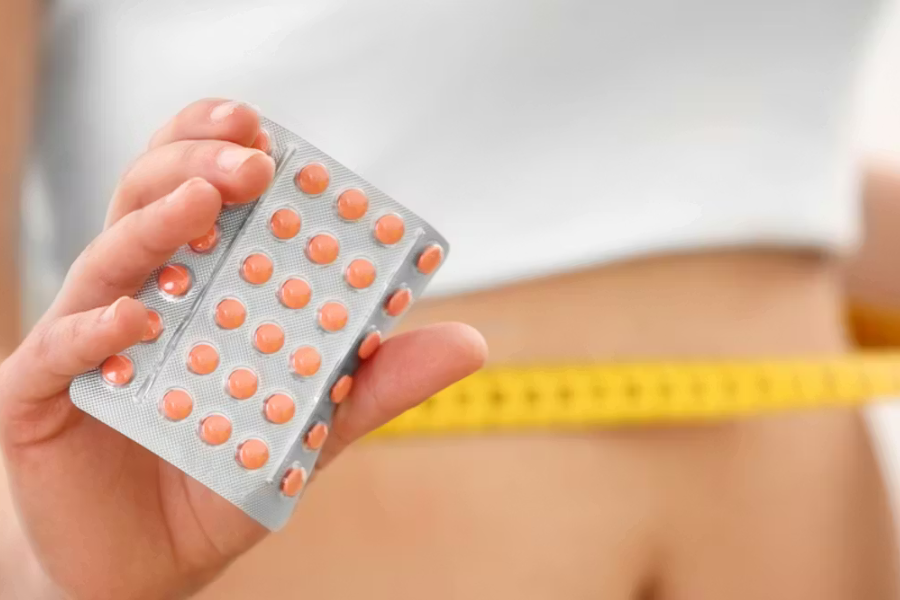
Weight Loss Supplements That Work to Boost Your Confidence
A supplement that actually helps you feel better in your body can do more than change a number on the scale. The right support can steady your energy, reduce cravings, and quietly boost your confidence as your clothes fit differently and your health markers improve. But with so many claims and “miracle” products, finding weight loss supplements that work and are safe is not simple.
Below, you will learn how prescription weight loss medications compare with over‑the‑counter supplements, what the research actually says, and how to use any product in a way that supports your long‑term health and self‑confidence, not just short‑term loss.
Understand what “works” really means
When you are searching for weight loss supplements that work, it helps to define “work.”
Most experts look at three things:
- Does it lead to meaningful weight loss beyond placebo in clinical trials?
- Is the weight loss safe and sustainable when combined with healthy habits?
- Does it support overall health, such as blood sugar, blood pressure, or cholesterol, instead of harming them?
Many popular products cause a small drop in weight or water in the first weeks. Fewer have solid evidence for longer‑term, clinically meaningful results. Reviews of weight loss supplements in 2021 found that no over‑the‑counter product was clearly linked with long‑term, significant weight loss, mainly because high‑quality trials are limited (AARP).
This does not mean nothing can help you. It means you get the best results when you treat supplements as one tool inside a bigger plan that includes what you eat, how you move, and how well you sleep.
Weigh the pros and cons of prescription options
Prescription medications are not the same as typical “diet pills” you see online. They go through stricter testing and are prescribed for people who meet certain medical criteria. Some of them are GLP‑1 receptor agonists, a class of medications that lower blood sugar and support weight loss by helping you feel full sooner and longer (SIU Medicine).
GLP‑1 medications: Strong results, real side effects
Semaglutide and liraglutide are GLP‑1 receptor agonists that are FDA‑approved for weight loss in adults and in children aged 12 or older with obesity. They are typically prescribed if you have a BMI of 30 or greater, or 27 or greater with conditions such as high blood pressure, diabetes, or high cholesterol (Obesity Medicine Association).
These medications can be very effective, but you should also know:
- Almost half of patients report gastrointestinal side effects like nausea, vomiting, acid reflux, bloating, stomach cramps, diarrhea, or constipation. These are usually mild and temporary, but they can be uncomfortable enough that people stop taking the drug (SIU Medicine).
- A 2023 analysis found that about 68 percent of people using semaglutide or liraglutide for weight loss had stopped within a year, and 4.5 to 7 percent stopped specifically because of side effects (Obesity Medicine Association).
- Earlier reports raised concerns about suicidal thoughts, but a 2024 study in Nature Medicine found semaglutide was associated with a 49 to 73 percent lower risk of first‑time or recurring suicidal ideation compared with other obesity drugs (Obesity Medicine Association).
If you and your doctor decide a GLP‑1 medication is right for you, your daily choices still matter. You can reduce side effects and protect your confidence along the way by:
- Limiting high‑fat, greasy, and spicy foods
- Cutting back on sugary drinks
- Eating more fiber from fruits, vegetables, legumes, and whole grains
- Drinking enough water
- Shrinking your portions, such as using smaller plates or asking for a to‑go box at restaurants as soon as your food arrives (SIU Medicine)
Because these medications reduce appetite, it can be hard to eat enough protein. To preserve muscle and lean body mass, you may find ready‑to‑drink protein shakes helpful. Options such as Ensure Max Protein, Glucerna Protein Smart, Premier Protein, Muscle Milk, and Fairlife Protein can be useful on days when full meals are not appealing (SIU Medicine).
Other prescription medications to know
A few other prescription products are sometimes used for weight loss:
- Phentermine has been around since 1959. It reduces hunger by acting on your brain. It is not appropriate if you have hyperthyroidism, glaucoma, heart disease, or a history of stroke. Side effects can include headache, insomnia, high blood pressure, and irregular heart rate (Obesity Medicine Association).
- Tirzepatide is a newer injectable medication approved in 2023 for adults with a BMI of 30 or more. It acts on both GLP‑1 and GIP receptors. Common side effects include constipation, upset stomach, and diarrhea, and there are more serious risks such as thyroid tumors, kidney problems, and gallbladder issues (Obesity Medicine Association).
These medications can help you lose significant weight, which often improves blood pressure, blood sugar, and mobility. If you qualify medically, they may give you a strong “early win” that helps your confidence. You still need a plan for what happens later, so you maintain progress after doses change or stop.
Look closely at popular over‑the‑counter supplements
Even if you never use a prescription drug, you might be curious about common weight loss supplements that work, or at least promise to. In the United States, about 15 percent of adults have tried a weight‑loss dietary supplement and women use them more often than men. Collectively, people spend around 2.1 billion dollars a year on these products in pill form (NIH ODS).
Here is how a few of the better‑known ingredients stack up based on current evidence.
Always talk with your healthcare provider before starting any supplement, especially if you take medications or have underlying health conditions.
Ingredients with modest evidence
Some ingredients show small benefits in trials, but the effects are usually modest, not dramatic.
-
Caffeine
Caffeine from coffee, tea, or herbal sources like guarana and yerba maté can slightly increase energy expenditure and fat oxidation. Higher doses combined with other ingredients have been linked with small reductions in BMI and abdominal fat over the short term (NIH ODS). For most adults, up to 400 mg of caffeine per day is considered safe by both the FDA and EFSA, as long as you are not sensitive to it. -
African mango (Irvingia gabonensis)
In a 10‑week trial in Cameroon, participants who took 300 mg daily of a specific African mango extract (IGOB131) had greater reductions in body weight, body fat, and waist circumference compared with placebo (NIH ODS). This sounds encouraging, but the study was small and more large, independent trials are needed. -
Chromium
Chromium, usually as chromium picolinate, has been tested at doses from about 137 to 1,000 micrograms per day in adults with overweight or obesity. On average, people lost only 0.5 to 1.1 kilograms more than placebo over 8 to 26 weeks. This effect is small and the evidence quality is low (NIH ODS). Some studies report side effects such as stomach pain and, rarely, kidney or liver problems (AARP). -
Probiotics and synbiotics
A 2018 review of 15 trials found that certain probiotic and synbiotic products led to modest reductions in body weight and body fat in people with overweight and obesity (AARP). Probiotics are generally considered safe, although anyone with a weakened immune system should use them with medical guidance. -
Berberine
Berberine is a plant‑derived compound used in traditional medicine. Across 41 trials, it was associated with significant weight loss and better cholesterol after at least eight weeks. However, many of these studies had a high risk of bias, so more rigorous research is needed before you can rely on it fully (AARP).
Ingredients with safety concerns or mixed results
Some products are marketed as powerful fat burners but carry more risk.
-
Bitter orange (Citrus aurantium)
Bitter orange contains synephrine, a stimulant similar to the now‑banned ephedra. Evidence for actual weight loss is mixed and generally weak. Some small studies show a rise in resting metabolic rate, but there are significant safety concerns, including cardiovascular events. Larger and longer trials are needed to understand both benefits and risks (NIH ODS). -
Chitosan
Chitosan is made from shellfish shells and marketed as a “fat blocker.” One well‑designed study found an average weight loss of about six pounds, while other studies showed no benefit at all. The overall evidence is inconsistent and more research is needed (AARP).
An important point from two 2021 reviews in Obesity and the International Journal of Obesity is that, as of then, no weight loss supplement was clearly linked to long‑term, clinically significant weight loss. The main issues were small sample sizes and a lack of high‑quality, independent research (AARP).
Explore functional foods and “natural” helpers
You might prefer everyday foods or “natural” products over pills. A 2025 evidence‑based review highlighted several popular options used for weight loss, including green tea extract, Garcinia cambogia, conjugated linoleic acid (CLA), and glucomannan, along with functional foods such as chia seeds, apple cider vinegar, and quinoa (Hawaii Pacific Health).
The same review emphasized a few key themes:
- Some of these choices can help a little with satiety, digestion, or calorie intake.
- Their impact is usually modest on their own.
- You get the best results when you combine them with a balanced diet and regular physical activity.
- Safety and your personal health needs matter. Not every “natural” product is automatically safe for you (Hawaii Pacific Health).
If you enjoy chia in yogurt, a splash of apple cider vinegar in salad dressing, or a bowl of quinoa instead of refined grains, those changes can gently support your weight and your overall nutrition. The difference is subtle day to day, but it helps you build a lifestyle that supports a healthy weight without constant restriction.
Protect your confidence while you experiment
Your goal is not only to find weight loss supplements that work in a lab. You also want an approach that helps you feel calmer, more in control, and more at home in your body.
A few practical habits can help you protect your confidence, whether you choose prescription medications, gentle supplements, or neither:
-
Set realistic expectations
If you expect a pill to “melt fat” without any changes to your routine, you are more likely to feel discouraged and blame yourself when that does not happen. If you view supplements as a small helper on top of your food, movement, and sleep, it is easier to see progress clearly. -
Focus on non‑scale wins
Track how your energy, mood, sleep, and daily movement change. Notice when climbing stairs feels easier or your clothes fit more comfortably. These shifts often show up before big changes on the scale and can be powerful confidence boosters. -
Check in with your body
If a product makes you feel jittery, disrupts your sleep, or causes persistent stomach issues, that is information, not a failure. Talk with a healthcare professional and adjust your plan. Feeling better and safer is more important than sticking with a supplement that does not work for you. -
Seek professional guidance
With so many products and claims, it can be hard to tell what is effective, what is safe, and what interacts with your medications. The 2025 Hawaii Pacific Health review noted how difficult it is to identify supplements that are both effective and safe, and strongly recommended involving healthcare professionals in your decision (Hawaii Pacific Health).
When you choose tools that are grounded in evidence and matched to your health needs, each step forward feels more solid. Over time, that steady, realistic progress is what supports your confidence most.
How to decide your next step
If you feel overwhelmed, you can use this simple approach:
- Clarify your goals. Do you want better blood sugar, lower joint pain, more stamina, or a specific amount of weight loss?
- Review your health status. Consider your current medications, medical history, and any conditions, especially heart disease, high blood pressure, diabetes, or kidney issues.
- Discuss prescription options if you qualify. Ask your provider whether GLP‑1 medications, tirzepatide, or other therapies make sense for you and what side effects and lifestyle changes to expect.
- If you try over‑the‑counter supplements, add one at a time. Choose products with some evidence behind them, such as caffeine within safe limits or a probiotic, and monitor how you feel.
- Prioritize daily habits. Build meals around protein, fiber, and healthy fats. Move your body in ways you enjoy. Protect your sleep.
There is no single pill that will take over the hard parts for you, but there are options that can make the process smoother and more encouraging. With good information and support, you can choose weight loss strategies that fit your life and help you feel more confident in the body you live in every day.
About The Author





