Powerful Upper Back Exercises to Strengthen Your Muscles
A strong upper back does much more than look toned in photos. The right upper back exercises can ease everyday aches, improve your posture, and make simple tasks like carrying groceries or sitting at your desk feel easier.
Below, you will find a clear guide to how your upper back works, how to warm up safely, and which exercises and stretches to include in your routine.
Understand your upper back muscles
Your upper back is one of the most complex areas of your body. It involves several joints, layers of muscles, and a network of nerves that run from your lower back all the way to your neck.
Key muscles you work with upper back exercises include:
- Trapezius, which runs from your neck to the middle of your back and helps you lift and stabilize your shoulders
- Rhomboids, which sit between your shoulder blades and pull them toward your spine
- Rear deltoids, which shape the back of your shoulders
- Teres major and minor and infraspinatus, which help you rotate and stabilize your shoulder joint
According to a 2023 overview from Verywell Fit, these muscles are essential for posture and for keeping your shoulders aligned during both everyday activities and workouts. When they are weak or tight, you are more likely to feel neck tension, shoulder discomfort, or mid-back pain.
Warm up with dynamic movements
Before you jump into upper back exercises, take a few minutes to wake up the joints and muscles. A dynamic warmup reduces stiffness, improves blood flow, and prepares your body for more challenging movements.
You can create a short sequence from these options:
- Neck rolls. Gently roll your head in a circle, then switch directions. Move slowly to avoid strain.
- Shoulder rolls. Lift your shoulders toward your ears, roll them back, then down. Repeat forward and backward.
- Arm circles. Extend your arms out to the sides and make small circles, gradually increasing the size.
- Overhead arm reach. Reach one arm overhead while you lean slightly to the opposite side, then switch.
- Chair rotation. Sit tall, place your hands on the back of your chair, and rotate your torso gently.
- Cat-cow. On hands and knees, alternate between rounding your back and gently arching it.
- Knee to chest. Lying on your back, pull one knee toward your chest, then alternate.
- Thoracic extension. Sit or kneel, place your hands behind your head, and gently lift your chest toward the ceiling.
These movements loosen your neck, shoulders, and upper back so you are less likely to feel pinching or tightness once you start strengthening work.
Strengthening upper back exercises
Once you are warmed up, you can begin building strength. Many effective upper back exercises use pulling and rowing motions. These movements target the muscles between your shoulder blades and across the back of your shoulders, which are key for posture and stability.
Rows for strength and posture
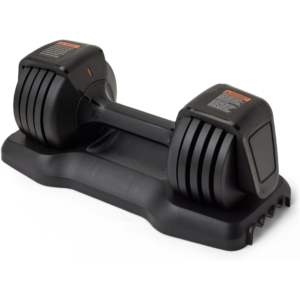
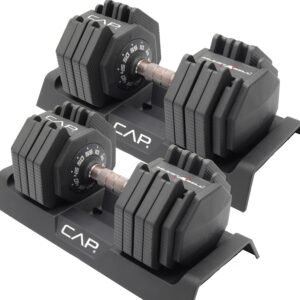
Row variations belong in almost every upper back routine. You can perform them with dumbbells, a barbell, or resistance bands.
- Bent-over rows. Hinge at your hips with a flat back, hold the weights below your shoulders, and pull them toward your lower ribs. Focus on squeezing your shoulder blades together instead of yanking with your arms.
- One-arm dumbbell rows. Support one hand and one knee on a bench, then row the weight toward your hip with the other hand. This helps you feel the muscles along one side of your back at a time.
- Band rows. Secure a resistance band at chest height, hold the ends, and pull them toward you. Keep your elbows close to your body and avoid shrugging your shoulders.
If you are new to strength training, starting with lighter dumbbells or resistance bands lets you practice proper form while you gradually build strength. Research on beginners recommends starting with one or two sessions per week and slowly increasing repetitions and load over time so you can progress safely.
Face pulls and scapular squeezes
Smaller postural muscles play a big role in how your neck and shoulders feel. Exercises that focus on your shoulder blades and rear delts help you stay upright instead of slouching.
- Face pulls. Using a cable or resistance band set at upper chest or face height, pull the handles toward your face while flaring your elbows out. Imagine pulling apart the band and drawing your shoulder blades together.
- Scapular squeezes. Sit or stand tall, then gently pull your shoulder blades back and down, as if squeezing a pencil between them. Hold for a few seconds, relax, and repeat. You can add light resistance by using a band.
These moves help counter the rounded shoulders that come from long hours at a desk or looking down at a phone. Over time, they can reduce upper back and neck tension that often comes with poor posture.
Wall angels and reverse flies
Posture-focused upper back exercises do not need heavy weights to make a difference. Wall-based movements and light dumbbells can be very effective.
- Wall angels. Stand with your back against a wall, feet a few inches away. Press your lower back, upper back, and head toward the wall if possible. Place your arms in a “goalpost” shape on the wall, then slowly slide them up and down. Move only as far as you can while keeping contact with the wall and without pain.
- Reverse dumbbell flies. Hinge at your hips with a flat back, hold light dumbbells with your arms hanging down, then lift your arms out to the sides in a wide arc. Focus on moving from your shoulders, not swinging with momentum.
These exercises recruit the small stabilizing muscles between and around your shoulder blades. They can help reduce the feeling of heaviness in your upper back that you may notice after sitting for long periods.
Advanced moves that engage your core
If you are comfortable with the basics and want more challenge, you can add movements that work both your upper back and your core muscles.
- Renegade rows. Start in a plank position with a dumbbell in each hand. Keeping your hips steady, row one dumbbell toward your rib cage, lower it, then switch sides. This move strengthens your upper back while your core works to keep your body stable.
- High barbell rows. With a barbell and an overhand grip, hinge forward slightly and row the bar toward your upper ribs or chest. This variation emphasizes your upper traps and rear delts more than a lower row.
Because these exercises are demanding, pay attention to your form. It is better to use a lighter weight and move with control than to go heavy and strain your lower back or shoulders.
Do not forget your lower back and grip
When you think of upper back exercises, it is easy to focus only on what you can see in the mirror. However, your lower back and grip strength play a big supporting role in how well your upper back workouts go.
Your spinal erectors, the muscles that run along your spine in your lower back, help stabilize your torso during standing rows and other pulling motions. While they are involved whenever you lift, they also benefit from dedicated work, such as:
- Back extensions or hip hinges with light weights
- Bird dogs on hands and knees
- Bridges and other core-focused movements
Strengthening your core and lower back together has been linked to reduced lower back pain, because a stronger core helps stabilize your spine while you move.
Grip strength is another hidden limiting factor. If your hands or forearms fatigue too early, your upper back muscles never receive a full workout. You can improve grip with simple additions like farmer carries, dead hangs from a bar, or squeezing a stress ball. As your grip improves, you will be able to hold weights or resistance longer, which allows your back muscles to work harder and grow stronger.
Stretch and cool down after workouts
Your upper back benefits from strength work, but it also needs regular stretching. Static stretches are most useful after your workout, when your muscles are warm.
Helpful upper back and chest stretches include:
- Pec stretch or doorway stretch. Place your elbows and hands along the sides of a doorframe, step forward gently until you feel a stretch across your chest, and hold for 15 to 20 seconds. Repeat a few times. This move opens tight chest muscles that can pull your shoulders forward if you sit a lot.
- Child’s pose. From a kneeling position, sit back on your heels, stretch your arms forward, and rest your forehead on the floor or a cushion. This creates a gentle stretch through your upper and mid back.
- Butterfly stretch. Sit upright, bring the soles of your feet together, and let your knees fall outward. While this mainly targets your hips, sitting tall and reaching your chest forward can also ease tension in your mid back.
- Upper trapezius stretch. Sit or stand tall, then gently bring one ear toward your shoulder until you feel a stretch in your neck and upper back. Hold, then switch sides.
- Levator scapulae stretch. Turn your head slightly to one side and look down as if toward your armpit, using your hand to add a gentle pull. You should feel a stretch from your neck down toward the top of your shoulder.
Kaiser Permanente also highlights simple stretches like the lower neck and upper back (rhomboid) stretch, child’s pose, and shoulder rolls, and suggests that you start slowly and stop if you feel pain. They recommend talking with your doctor or physical therapist to decide which exercises fit your situation, and they emphasize follow-up care and communication if anything feels uncomfortable.
If a stretch or exercise causes sharp or worsening pain instead of mild, easing tension, pause and consult a medical professional before you continue.
How often to do upper back exercises
For most people, a few focused upper back sessions each week is enough to see and feel improvements. You might begin with one or two short routines a week, mixing dynamic warmups, 3 to 5 strengthening movements, and a few stretches at the end.
As you get stronger, you can:
- Add a second or third set of each exercise
- Choose slightly heavier weights
- Include more challenging variations, such as renegade rows or band pull-aparts
It is also useful to notice how your upper back feels during your everyday life. If your job or hobbies involve a lot of sitting, typing, or looking down, you may benefit from sprinkling a few quick posture exercises into your day. Simple moves like chin tucks, standing band pull-aparts, or shoulder blade squeezes can reset your posture in just a minute or two.
Putting your routine together
Here is a simple way to build an upper back routine that you can adjust to your own schedule and fitness level:
- Warm up for 5 minutes with dynamic movements like neck rolls, shoulder rolls, arm circles, and cat-cow.
- Choose 3 to 5 strengthening upper back exercises, including at least one rowing motion and one posture-focused move.
- Finish with 3 to 5 static stretches to relax your chest, shoulders, and upper back.
Over time, consistent upper back exercises will help you sit taller, move more comfortably, and feel stronger in your daily activities. Start with gentle movements, pay attention to how your body responds, and build gradually so your improvements last.
About The Author