Discover Powerful Testosterone Boosters for Men Today
Testosterone booster for men supplements are everywhere right now, promising more strength, energy, and confidence in a single capsule. Before you add one to your routine, it helps to understand how testosterone actually works in your body, what these boosters can and cannot do, and where the real risks might be.
This guide walks you through the basics in clear, practical terms so you can have a more informed conversation with your healthcare provider and make a choice that fits your goals and health history.
Understand what testosterone does
Testosterone is a hormone your body produces mainly in the testicles. It plays a central role in maintaining muscle mass and strength, bone density, red blood cell production, and the growth of facial and body hair, according to the Mayo Clinic in 2024 (Mayo Clinic).
Your levels are not static. They typically:
- Peak in adolescence and early adulthood
- Start to decline by about 1 percent each year after age 30 or 40 (Mayo Clinic)
By your 40s and 50s, you may notice changes like lower sex drive, reduced muscle mass, or less energy. More than a third of men over 45 may have lower than normal testosterone levels (WebMD). That does not automatically mean you need a supplement or prescription therapy, but it is a good reason to pay attention and get tested if symptoms bother you.
Know the difference: therapy vs booster
You will see “testosterone booster for men” used for two very different things. Sorting these out is key.
Medical testosterone replacement therapy
Testosterone replacement therapy (TRT) is a prescription medical treatment. Your doctor may recommend it if blood tests confirm that you have genuinely low testosterone due to testicular or pituitary problems, a condition known as hypogonadism. TRT can be given as injections, pellets, patches, or gels and may improve some signs and symptoms that come from very low testosterone (Mayo Clinic).
For older men who are otherwise healthy, there is little evidence that TRT significantly improves energy or overall vitality, and it may only slightly help sexual function in some men (Mayo Clinic). It also carries potential risks, including an increased risk of heart disease, so using TRT to treat normal aging is not advised (Mayo Clinic).
Over the counter testosterone boosters
Over the counter testosterone booster supplements are different. These are pills that typically contain vitamins, minerals, and plant extracts. They aim to nudge your body to produce more testosterone on its own. Common ingredients include:
- Vitamin D
- Zinc and magnesium
- D-aspartic acid
- DHEA
- Herbal extracts such as ashwagandha
These formulas are widely marketed to men in their 30s, 40s, and beyond, especially those focused on workouts, libido, or body composition. However, the scientific support is mixed. A 2020 review of 50 testosterone boosting supplements found that only about a quarter of their 109 ingredients had data suggesting they might increase testosterone. Some had no effect and about 10 percent could even lower testosterone, with many products also exceeding recommended daily nutrient amounts (Healthy Male).
Explore common testosterone booster ingredients
If you are considering a testosterone booster for men, it helps to see what is actually in the bottle. Here is a snapshot of popular ingredients and what current evidence suggests:
| Ingredient / approach | What it is | What research suggests |
|---|---|---|
| Vitamin D | Fat soluble vitamin linked to hormone function | One year study where men taking 3,300 IU daily increased testosterone by about 20 percent vs those who did not supplement (WebMD) |
| Zinc and magnesium | Essential minerals | Deficiencies can lower testosterone. Correcting a deficiency may normalize levels, but extra beyond what you need is not necessarily better (WebMD) |
| D-aspartic acid | Amino acid | Some early studies suggest a temporary increase in testosterone, but results are inconsistent |
| DHEA | Hormone produced by adrenal glands | May slightly increase testosterone in some men, but not consistently and it can affect other hormones (WebMD) |
| Ashwagandha and other herbs | Traditional herbal extracts | Often marketed for stress, libido, or strength. Evidence is limited and varies by dose and quality (WebMD) |
You will also see multi ingredient blends. For example, one testosterone booster supplement for men from SLADAK NATURALS combines ashwagandha extract, L arginine, horny goat weed, tribulus terrestris, tongkat ali, and ginseng in a capsule meant to support workout performance, muscle building, strength, and energy (Amazon). The suggested use is 2 capsules daily, with an optional extra capsule before physical activity, and it clearly states that it is not intended to diagnose, treat, cure, or prevent any disease and has not been evaluated by the FDA (Amazon).
Supplements like this are for adults and you are advised to talk with your healthcare provider if you have medical conditions, are on medication, are pregnant, or plan to become pregnant (Amazon).
Consider potential benefits and realistic expectations
If your testosterone levels are on the low side of normal, or you have symptoms such as fatigue, low libido, or difficulty building muscle, you might hope a booster will turn things around.
Here is what you can reasonably expect:
- If you are deficient in a nutrient like vitamin D, zinc, or magnesium, correcting that deficiency can support normal testosterone production. That might help you feel more like yourself again, especially over several months. One study found that vitamin D supplements at 3,300 IU per day increased testosterone by about 20 percent in 65 men after a year (WebMD).
- If your baseline testosterone is already normal and your lifestyle habits are solid, most over the counter boosters are unlikely to shift your levels dramatically.
- Some ingredients may help indirectly. For example, herbs that reduce stress or improve sleep could support healthier hormone balance overall, even if they do not directly push testosterone higher.
It helps to think of these supplements as “supportive”, not as magic solutions. They tend to work best alongside sensible exercise, nutrition, and sleep, not in place of them.
Review the risks and safety concerns
Testosterone boosters for men are often sold as “natural”, but natural does not always mean safe. There are several layers of risk to know about before you start.
Health risks and side effects
Testosterone therapy itself can increase the risk of heart disease and is not recommended to treat normal aging (Mayo Clinic). Over the counter boosters have their own concerns.
A case report of a 30 year old male athlete who used a commercial testosterone booster called Universal Nutrition Animal Stak for repeated 42 day cycles described severe abdominal pain and elevated liver enzymes after the first course, suggesting possible liver injury (International Journal of Health Sciences). Although he completed two more courses without immediate problems and the exact cause was uncertain, the report highlighted that even products from trusted sources can stress your liver and that more long term research is needed (International Journal of Health Sciences).
Other findings raise additional red flags:
- In Australia, hospitalizations due to liver injury from herbal and dietary supplements, including bodybuilding and weight loss products, have increased over the last decade (Healthy Male).
- A 2017 Australian study found that over 5 percent of 112 supplements tested contained undeclared androgenic steroids. International research on 634 nonhormonal supplements found 14.8 percent with undeclared steroids, which can have serious health risks (Healthy Male).
Andrologist Professor Robert McLachlan recommends being skeptical of “natural testosterone boosters” for exactly this reason, and he strongly favors maintaining a healthy weight and lifestyle as a safer way to support normal levels (Healthy Male).
Capsules, prescriptions, and sports rules
You might also come across prescription testosterone capsules such as JATENZO, KYZATREX, or Undecatrex. These are oral medications, taken once daily with food at the same time each day, prescribed to increase testosterone levels when your body does not make enough (Cleveland Clinic).
If you use capsules like these, your provider will typically:
- Check your testosterone levels regularly
- Monitor your heart health, because heart attacks and strokes have been reported with this medication
- Watch your blood sugar levels, especially if you have diabetes, since testosterone capsules can affect glucose control (Cleveland Clinic)
These prescription capsules are banned by most athletic organizations. If you compete in sports, they are usually not permitted under doping rules (Cleveland Clinic).
Focus on natural ways to support testosterone
Before you reach for a pill, it is worth asking what you can adjust in your daily routine. Lifestyle choices have some of the strongest evidence for helping you maintain healthy testosterone levels, especially as you age.
According to WebMD, these habits can support natural testosterone production (WebMD):
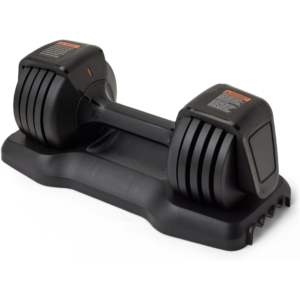
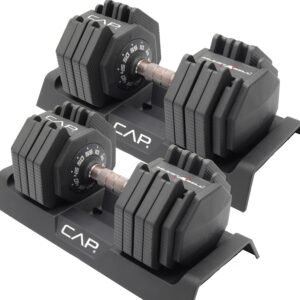
- Strength training, especially weightlifting
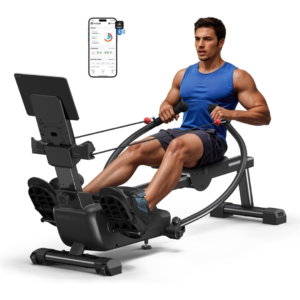
- High intensity interval training (HIIT), if your joints and heart health allow
- Maintaining a healthy weight, since excess body fat is closely linked to lower testosterone
- Eating a diet rich in lean protein, healthy fats, and nutrients like zinc, magnesium, and vitamin D
- Prioritizing consistent, high quality sleep
- Limiting alcohol
- Managing stress with tools that work for you, such as walking, breathing exercises, or counseling
Prof McLachlan and other experts often point to this kind of lifestyle approach as more effective and safer than relying on unregulated supplements (Healthy Male).
If you do decide to try a testosterone booster for men, approach it as a complement to these basics, not as a replacement.
Decide whether a booster is right for you
To move from curiosity to a clear decision, it helps to walk through a few simple steps.
-
Check in with your body
Pay attention to what is actually bothering you. Is it low energy, libido changes, difficulty building muscle, mood shifts, or sleep problems? These symptoms can come from many causes besides testosterone, including stress, depression, thyroid issues, or poor sleep. -
Talk with your healthcare provider
Request a conversation specifically about hormones. Your provider can order blood tests, review medications you are taking, and consider other conditions that might impact your symptoms. If your testosterone is unusually low, prescription therapy might be discussed. If it is in the normal range, they may recommend lifestyle changes first. -
Evaluate supplement labels carefully
If you still want to try an over the counter booster, read the ingredient list closely. Look for transparent dosing, avoid products that massively exceed daily recommended intakes, and be cautious of blends with dozens of ingredients or vague “proprietary” formulas. Confirm that the product clearly states it is not a substitute for medical treatment and that you should consult your provider, especially if you have health conditions. -
Start low and monitor your response
If you go ahead, stick to the recommended dose. Do not stack multiple boosters or double up. Give it several weeks while tracking any changes in mood, energy, sleep, or physical performance. If you notice side effects like abdominal pain, dark urine, yellowing of the skin or eyes, or significant mood swings, stop the supplement and contact your doctor. -
Reassess regularly
Recheck your hormone levels and overall health with your provider if you stay on a booster for more than a few months. Supplements are not meant to be a lifelong crutch and your needs can change as you adjust your lifestyle or address underlying issues.
Key points to remember
A testosterone booster for men might sound like an easy solution, but the reality is more nuanced. Testosterone is a vital hormone for muscle, strength, and sexual health, yet levels naturally decline with age. Medical testosterone therapy can help men with clearly diagnosed low levels, though it carries serious risks and is not recommended for normal aging.
Over the counter boosters may help if they correct real deficiencies, but the evidence is mixed and quality is highly variable. Some products have been linked to liver stress or contamination with undeclared steroids, so you are right to be cautious.
Your most reliable foundation is still a healthy lifestyle: resistance training, smart nutrition, better sleep, stress management, and a weight that suits your frame. If you layer a supplement on top, do it with your provider’s guidance, not in place of professional care.
Used thoughtfully, information like this puts you, not the marketing claims, in control of what you choose for your health.
About The Author