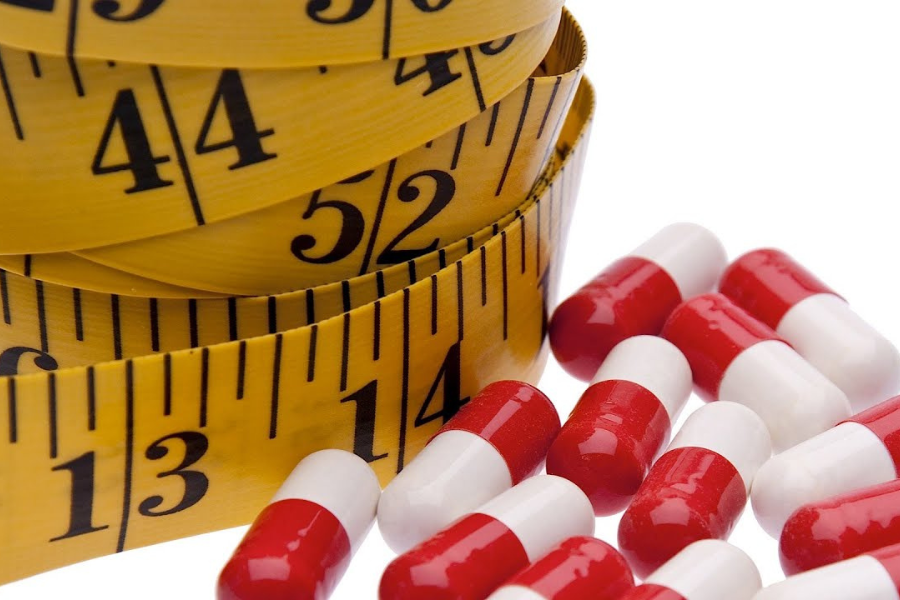
Find the Best Over the Counter Weight Loss Pills for You
A growing number of people turn to over the counter weight loss pills when diet and exercise alone do not feel like enough. You might be curious whether these supplements can actually help you, how they work, and which options are worth discussing with your doctor.
This guide walks you through the basics of over the counter weight loss pills, the difference between supplements and medications, and what the research says about popular options like Alli. By the end, you will have a clearer sense of what is realistic and how to choose something that fits your health needs and goals.
Understand what over the counter weight loss pills are
When you hear “over the counter weight loss pills,” you are usually talking about two broad groups that you can buy without a new prescription:
- FDA approved nonprescription medications
- Dietary supplements marketed for weight loss
They are not the same thing, and understanding the difference helps you protect your health.
Over the counter weight loss medications, like Alli, are regulated as drugs. Alli contains a lower dose of the prescription medication orlistat and is approved by the U.S. Food and Drug Administration (FDA) for adults 18 and older with a BMI of 25 or more when used with a low calorie, low fat diet and physical activity (Mayo Clinic). Before approval, this type of medication must show safety and effectiveness in clinical trials.
Dietary supplements, on the other hand, are regulated differently. The FDA oversees them, but they are not classified as drugs and do not require premarket approval. Manufacturers are responsible for making sure their products are safe and truthfully labeled. The FDA can remove unsafe products from the market, but that often happens after problems appear in the real world (NIH Office of Dietary Supplements).
This is why you need to approach supplements with more caution. Labels can look convincing even when the science behind them is thin or inconsistent.
Know how Alli works and who it is for
Among over the counter weight loss pills, Alli (orlistat 60 mg) is one of the best studied options you can buy without a prescription.
Alli works inside your gut, not in your brain. It blocks an enzyme called lipase that usually helps you break down dietary fat. When lipase is blocked, about 25 percent of the fat you eat is not absorbed and instead passes through your intestines and is removed in your bowel movements (Mayo Clinic). Because your body absorbs fewer calories from fat, you can lose more weight than with diet and exercise alone.
Clinical studies suggest that when you combine Alli with a calorie restricted diet and regular activity, more than 40 percent of people lose at least 5 percent of their body weight over one year. On average, people taking Alli lost about 5.7 pounds more than those who only changed their diet and exercise habits (Mayo Clinic).
Alli is designed for adults who:
- Are 18 or older
- Have a BMI of 25 or higher
- Are ready to follow a low calorie, low fat eating plan and be physically active
If you are pregnant, breastfeeding, have chronic malabsorption issues, or certain liver or gallbladder conditions, this medication is not a good fit. In those cases, or if you have any medical conditions or take other medications, you should talk with your healthcare provider first.
Use Alli correctly if you and your doctor decide to try it
If you and your provider agree that Alli makes sense, how you use it matters for both safety and results.
The standard dosing guideline is to take one 60 milligram pill with each main meal that contains fat, up to three times daily. You should take it during the meal or within one hour afterward (Mayo Clinic).
To lower the chance of uncomfortable side effects, you also need to spread your daily fat intake over three meals. Aim for no more than about 30 percent of your total calories from fat or roughly 15 grams of fat per meal (Mayo Clinic). High fat meals while taking Alli tend to lead to more digestive issues.
Since Alli blocks fat absorption, it can also reduce how much of the fat soluble vitamins A, D, E, and K your body takes in. For that reason, you are usually advised to take a multivitamin that contains those vitamins at least two hours after your last dose of Alli for the day (Mayo Clinic). Taking the multivitamin at bedtime often works well.
Tracking what you eat, planning meals with moderate fat, and checking in with your doctor can help you use this medication more effectively.
Be aware of side effects and safety issues
Every weight loss pill, whether over the counter or prescription, comes with risks and possible side effects. You deserve to know what to expect before you start.
For Alli, the most common side effects involve your digestive system. Because more fat remains unabsorbed in your intestines, you might notice:
- Oily or fatty stools
- Gas with oily spotting
- More frequent or urgent bowel movements
These effects are usually related to how much fat you eat, and they often lessen over time, especially if you stick with a lower fat diet (Mayo Clinic). Some people view them as a reminder to keep meals lighter on fat.
Reduced absorption of vitamins A, D, E, and K is another important safety issue. As mentioned, a daily multivitamin taken a couple of hours away from your Alli dose helps protect your nutritional status (Mayo Clinic).
With dietary supplements, the risks are less predictable. Around 15 percent of U.S. adults have tried a weight loss dietary supplement at some point, and Americans spend about 2.1 billion dollars per year on weight loss pills in supplement form (NIH Office of Dietary Supplements). Yet many popular ingredients have limited or inconsistent evidence, and safety data can be incomplete.
Common ingredients include:
- Botanicals, such as bitter orange or African mango
- Dietary fiber in various forms
- Caffeine and caffeine containing sources like guarana, kola nut, and yerba maté
- Various minerals and plant extracts (NIH Office of Dietary Supplements)
Some small studies suggest that caffeine containing supplements may modestly increase energy expenditure and fat oxidation, with a possible small effect on weight loss or maintenance. Over time, however, if you use caffeine regularly, your body can adapt and reduce these effects. High doses, or combining caffeine with other stimulants, can also raise safety concerns for your heart, sleep, and overall health (NIH Office of Dietary Supplements).
Bitter orange, often marketed as an ephedra alternative, may slightly increase metabolic rate. Evidence for actual weight loss is mixed, and there have been reports of cardiovascular side effects, including serious events, which is why experts recommend cautious use and more research (NIH Office of Dietary Supplements).
If a supplement promises extreme results, quick fixes, or “no diet or exercise needed,” take that as a sign to slow down and ask more questions, not as a green light.
If a product sounds too good to be true, it is safer to assume that it probably is until solid, independent research proves otherwise.
Compare pills with prescription options you might hear about
You may also hear about prescription weight loss medications in the news or from friends and wonder how they stack up against over the counter weight loss pills.
Several prescription pills have been studied for adults with obesity or weight related health conditions. For example:
- Wegovy (semaglutide), a GLP 1 receptor agonist available in pill form in recent years, helped adults lose about 14 to 17 percent of their starting weight in clinical trials when combined with diet and exercise (GoodRx).
- Contrave, which combines naltrexone and bupropion, led to more than 40 percent of adults losing at least 5 percent of their initial body weight after a year in early studies. It is available only as a brand name medication for adults (GoodRx).
- Qsymia, a combination of phentermine and topiramate extended release, helped about 70 percent of adults lose at least 5 percent of their weight and nearly half lose at least 10 percent after one year. It is a controlled substance and is not a good choice for someone with a history of substance misuse (GoodRx).
- Orlistat in its prescription dose, sold under the brand Xenical and taken three times daily with meals, helped up to 55 percent of adults lose at least 5 percent of their weight in one year. Alli is the lower dose, over the counter version and is less potent (GoodRx).
- Generic phentermine has been used since 1959 and is FDA approved for up to 12 weeks at a time. It can help reduce weight by about 3 to 5 percent and tends to be relatively inexpensive, but like other stimulants, it is a controlled substance with specific risks and monitoring needs (GoodRx).
These medications typically produce more substantial weight loss than most over the counter options, but they require a prescription and close follow up, and they come with their own side effect profiles.
If you are considering an over the counter option like Alli, it is still worth asking your healthcare provider whether a prescription medication might be safer or more effective for your specific situation, especially if you have obesity or weight related health problems like type 2 diabetes or high blood pressure.
Decide if over the counter weight loss pills fit into your plan
Before you buy a bottle of pills, it helps to pause and ask a few key questions:
- What is my main goal? Are you aiming for a small additional loss of 5 to 10 pounds, or do you need more significant weight reduction because of health issues?
- What am I already doing? If you do not yet have consistent habits around food, movement, sleep, and stress, pills will not replace that work.
- What is my risk tolerance? Are you comfortable with the potential side effects of a product like Alli, or with the uncertainty that comes with many unregulated supplements?
- Who is on my care team? Do you have a primary care doctor, dietitian, or other professional you can consult before and during use?
Over the counter weight loss pills can sometimes provide a modest extra boost when you are already making lifestyle changes. Alli, in particular, has actual clinical data and FDA oversight behind it, which separates it from many supplement aisle products.
However, none of these options are magic solutions. For long term results, you still need sustainable eating patterns, movement you can keep up, and a realistic plan for stress, sleep, and support.
If you decide to try an over the counter weight loss pill, do it with your eyes open: read the label carefully, check the ingredients against reliable sources like the NIH Office of Dietary Supplements, and have an honest conversation with your healthcare provider about what is appropriate for you (NIH Office of Dietary Supplements).
Start with one change you feel ready for today, whether that is booking an appointment with your doctor to talk about options, planning lower fat meals in case you use Alli, or simply learning more about the ingredients in any supplement you already take. Your future choices will feel clearer once you take that first informed step.
About The Author