Natural Testosterone Boosters You’ll Wish You Knew Sooner
A lot of products promise quick results, but the most effective natural testosterone boosters are quieter. They tend to look like everyday habits and pantry staples rather than “miracle” pills.
In this guide, you will learn what actually counts as a natural testosterone booster, how much supplements really help, and which daily choices give you the biggest return for your effort.
Understanding natural testosterone boosters
When you hear “natural testosterone boosters,” you might think of herbal capsules and powders. In reality, anything that helps your body produce and maintain healthy testosterone levels counts, including:
- Food choices
- Exercise habits
- Sleep quality
- Stress levels
- Targeted vitamins and minerals
Supplements sit on top of that foundation, not in place of it.
Testosterone naturally declines by about 1 to 2 percent per year as you age, and more than one third of men over 45 may have lower than normal levels (WebMD). That is one reason “boosters” are so popular. The catch is that most products on the market do not live up to their labels.
A 2020 review of 50 over the counter testosterone booster supplements found that 90 percent claimed to increase testosterone, but only 24.8 percent of the ingredients had any scientific data supporting those claims. Ten percent of the supplements even contained components that might lower testosterone instead of raising it (PMC – World Journal of Men’s Health).
So before you buy anything, it helps to understand which factors have strong evidence behind them.
Why lifestyle beats pills for boosting testosterone
If you only make one change for better testosterone, it should be your day to day routine, not a new supplement.
Guidance from the U.S. Department of Veterans Affairs highlights that maintaining an ideal body weight is the most important factor for optimizing male hormones. Belly fat contains more of an enzyme called aromatase, which converts testosterone into estrogen. As weight goes up, testosterone tends to drop. In fact, a one point decrease in BMI is associated with about a one point increase in testosterone levels (VA Whole Health Library).
Lifestyle changes also influence conditions that commonly drag testosterone down, such as diabetes. Developing diabetes more than doubles the risk of abnormally low testosterone over a 10 year period (VA Whole Health Library).
Key lifestyle levers that support testosterone include:
- Weight management
- Regular exercise, especially strength training
- Enough quality sleep
- A nutrient rich diet with healthy fats and protein
- Avoiding tobacco and keeping alcohol moderate
These basics do not look flashy, but they shape your hormone environment every hour of the day.
Food based testosterone boosters
Your body builds hormones from the raw materials you give it. A diet that is too restrictive or ultra processed can leave you short on what you need to make and balance testosterone.
Focus on protein and healthy fats
Protein provides amino acids that are essential for hormone production. Intake from lean beef, chicken, fish, eggs, tofu, and nuts is particularly important. When you consistently undereat protein, testosterone can drop (Vinmec).
Healthy fats are just as critical. Hormones are built from cholesterol and fatty acids, so extremely low fat diets can suppress testosterone production. Atlantic Urology Clinics notes that diets that are too restrictive or low in fat may work against hormone balance, while a pattern rich in healthy fats, proteins, fruits, and vegetables creates better conditions for testosterone production (Atlantic Urology Clinics).
Fatty fish like salmon, tuna, and mackerel pull double duty. They supply healthy fats and are rich in vitamin D, which supports natural testosterone synthesis by aiding hormone production (Vinmec).
Get enough zinc and micronutrients
Zinc is involved in testosterone production and fertility as well as immune function. Zinc rich foods include oysters, beef, and beans (Vinmec). Other micronutrients such as magnesium, B vitamins, and vitamin D also participate in hormone signaling.
Atlantic Urology Clinics emphasizes that essential vitamins and minerals found in everyday foods play a significant role in supporting hormone balance, including testosterone. Plant based foods that are rich in polyphenols, such as berries, olive oil, and many vegetables, also help by reducing oxidative stress that can interfere with testosterone and sperm quality (Atlantic Urology Clinics).
Helpful hormone friendly eating pattern
You do not need a complicated diet plan. The Mediterranean diet is a simple example that checks many boxes:
- Plenty of vegetables and fruits
- Whole grains and legumes
- Fish and seafood a few times per week
- Olive oil and nuts as main fat sources
- Limited ultra processed foods
This pattern is nutrient dense and anti inflammatory, supports heart health, and can improve testicular function that is crucial for testosterone production (Atlantic Urology Clinics).
Surprising foods that may help
Your spice rack and produce drawer may already hide a few natural testosterone boosters:
- Onions and garlic: Regular intake can help men produce higher quality sperm by increasing hormones that stimulate natural testosterone. These foods contain flavonoids that protect sperm from damage (Vinmec).
- Colorful plants: Many fruits, vegetables, herbs, and teas contain polyphenols that protect against oxidative stress and support both hormone and cardiovascular health (Atlantic Urology Clinics).
You do not have to eat any single “magic” food. Aim for a pattern that combines enough protein, healthy fats, and a variety of plants across the week.
Exercise and movement that support testosterone
The right kind of exercise is a powerful, natural testosterone booster, while the wrong approach can push your levels down.
The VA highlights that a combination of aerobic and resistance training increases testosterone production and also helps prevent heart disease and cancer. Overtraining with intense exercise plus strict calorie restriction can do the opposite and contribute to testosterone deficiency (VA Whole Health Library).
WebMD notes that weightlifting and high intensity interval training (HIIT) are especially useful for stimulating testosterone by building muscle. In contrast, very long duration endurance exercise, such as frequent marathon level training or long cycling sessions, may lower testosterone in some people (WebMD).
A simple weekly structure might look like this:
- Two to three days of strength training that covers major muscle groups
- One to two days of interval style cardio
- Light movement, like walking, most other days
You do not need to chase exhaustion. Consistency matters more than punishing workouts.
Sleep and stress, your silent hormone regulators
If your diet and exercise are on track but you still feel off, your sleep and stress habits are worth a closer look.
Sleep deprivation is a known testosterone killer. Getting less than 5 hours of sleep per night can reduce testosterone levels by about 15 percent, while 7 to 8 hours of quality sleep support increased production, particularly during REM cycles (Vinmec).
Stress pushes levels of cortisol higher, and high cortisol tends to drag testosterone down. The VA lists chronic stress and disrupted sleep among the key factors that reduce testosterone and recommends addressing both as part of a natural approach to hormone health (VA Whole Health Library).
Simple steps that help your hormones:
- Keep a consistent sleep and wake time, even on weekends
- Limit screens for 30 to 60 minutes before bed
- Use a short wind down routine such as reading, stretching, or light breathing exercises
- Build in small stress relievers during the day, such as walking outside or brief mindfulness breaks
These do not feel as dramatic as a new supplement, but their impact adds up quickly.
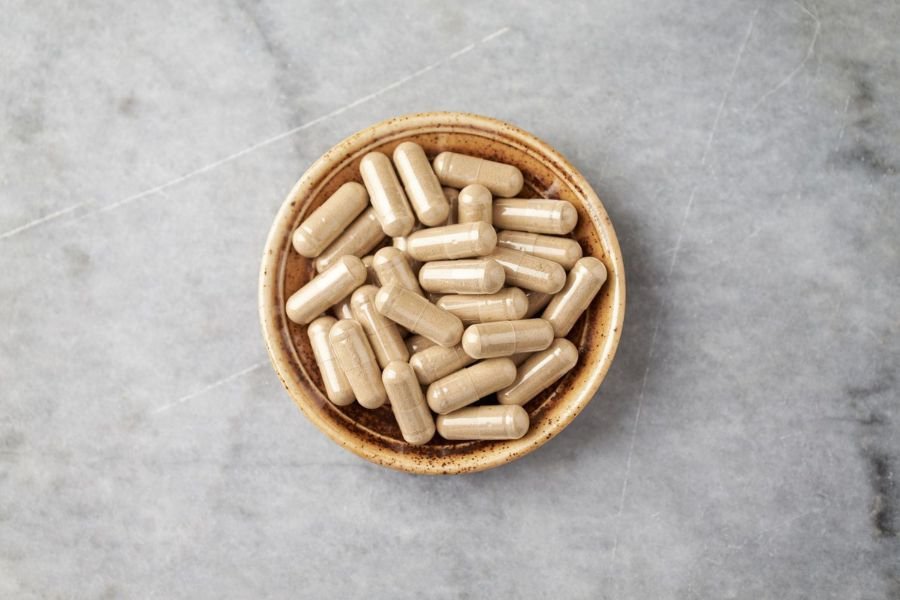
What to know about testosterone supplements
Once you have the basics in place, you might still wonder if natural testosterone booster supplements are worth trying. The research so far is mixed and you need to look at them with a critical eye.
As mentioned earlier, a detailed review of 50 over the counter testosterone products found that:
- 90 percent claimed to boost testosterone
- 50 percent claimed to improve libido
- 48 percent claimed to make you feel stronger
Yet only 24.8 percent of the 109 active components used had any scientific data supporting these claims. Another 18.3 percent showed no effect on testosterone at all, and roughly 10 percent contained ingredients that might actually reduce testosterone levels (PMC – World Journal of Men’s Health, Healthy Male).
Many products also packed very high doses of vitamins and minerals. The same review found median contents of:
- 1,291 percent of the recommended daily amount (RDA) for vitamin B12
- 807.6 percent for vitamin B6
- 272 percent for zinc
- 200 percent for vitamin B5
- 187.5 percent for vitamin B3
Some supplements exceeded the FDA upper tolerable intake levels for zinc, vitamin B3, and magnesium (PMC – World Journal of Men’s Health). Too much of a nutrient is not automatically better and can, in some cases, be harmful.
Potential risks and safety concerns
Because the supplement market is loosely regulated, products do not always contain what you expect.
Healthy Male reports that in Australia, hospitalizations for liver injury related to herbal and dietary supplements, including bodybuilding and weight loss products, have increased. Supplements were involved in about half of the cases and some were found to contain undeclared androgenic steroids (Healthy Male).
A case report from the International Journal of Health Sciences described a 30 year old athlete who took a commercial testosterone booster called Universal Nutrition Animal Stak for multiple 2 week courses over 42 days. He developed abdominal pain and was found to have elevated liver enzymes, suggesting possible liver injury. His testosterone did increase slightly after the fourth course, but the pattern of liver enzyme changes suggested that the product may have initially disrupted liver function (International Journal of Health Sciences).
Researchers concluded that larger and longer term studies are needed to clearly understand the safety and risks of these products, especially among athletes, but the case highlights why you should not assume that “natural” automatically means safe.
Fenugreek, a common ingredient in boosters, has also been linked to potential risks such as increased blood clot risk in some people, which is another reason to talk with a healthcare professional before taking it (PMC – World Journal of Men’s Health).
Supplements that have some evidence
A few individual nutrients and compounds have more data behind them, although results are not always consistent:
- Vitamin D: In one yearlong study, taking 3,300 IU of vitamin D daily increased testosterone levels by about 20 percent in 65 men who started out deficient or insufficient in vitamin D (WebMD).
- Zinc and magnesium: These help if you are deficient, but extra amounts far beyond your needs do not necessarily raise testosterone further and may cause side effects.
- DHEA, ashwagandha, and D aspartic acid: These appear frequently in boosters, but research findings are mixed, and they may not be appropriate for everyone (WebMD).
The VA mentions that supplements that inhibit aromatase, the enzyme that converts testosterone to estrogen, may offer some additive benefits. However, they still place more weight on lifestyle changes such as weight management and exercise because those have a larger evidence base and broader health benefits (VA Whole Health Library).
If you decide to test a supplement:
Start by checking your baseline levels with a healthcare professional, then choose a single product at a time and monitor how you feel and how your lab results change. More is not better, and stacking multiple boosters can increase risk without improving results.
Habits that quietly drain testosterone
Just as some choices boost your hormone balance, others chip away at it over time. The VA highlights several factors that can reduce testosterone and recommends limiting or addressing all of them (VA Whole Health Library):
- Tobacco use
- Excessive alcohol intake, more than two drinks per day
- Opioid pain medications
- Exposure to environmental toxins (xenobiotics)
- Chronic stress
- Fragmented or short sleep
Carrying extra weight, especially around your waist, is another major drain. WebMD notes that a 4 inch increase in waist size can raise the odds of low testosterone by up to 75 percent (WebMD). Fat loss, even in modest amounts, is often one of the most effective “natural testosterone boosters” you can use.
Putting it all together
You do not have to overhaul your entire lifestyle at once to support healthier testosterone. Pick one or two simple actions to start with, such as:
- Adding a serving of fatty fish and an extra handful of vegetables to your weekly menu
- Lifting weights twice a week, even for 20 minutes
- Protecting a 7 to 8 hour sleep window and keeping a consistent bedtime
From there, you can decide whether carefully chosen supplements have a place, ideally with the guidance of a healthcare professional who can check your levels and monitor safety.
When you zoom out, natural testosterone boosters look less like a magic formula and more like a series of practical, sustainable habits. Those are the changes that not only help your hormones, but also support your energy, mood, and long term health.
About The Author