Why Magnesium Powder Could Boost Your Wellness Routine
What magnesium powder actually is
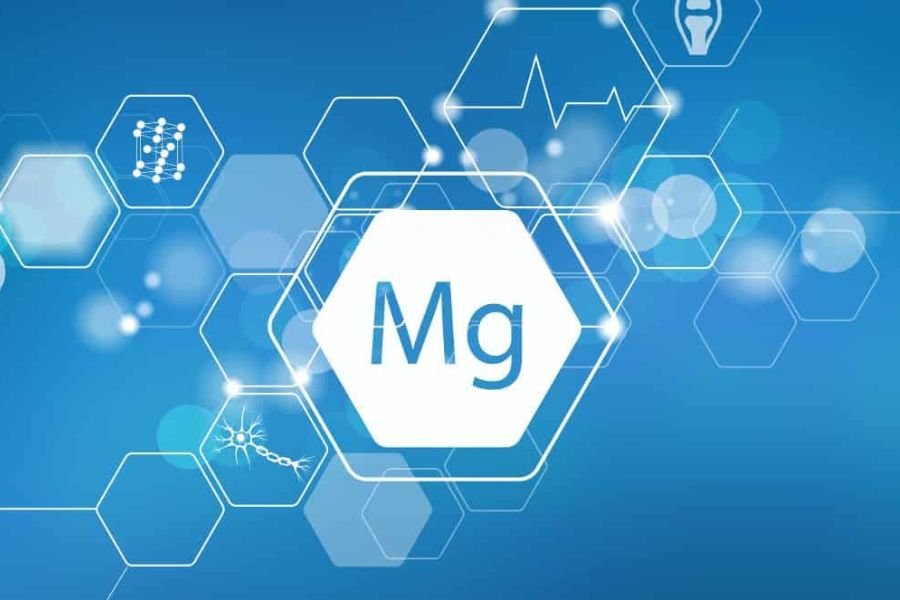
Magnesium powder is a concentrated form of magnesium that you typically mix with water or another drink. You might see it labeled as magnesium citrate powder, magnesium chloride powder, or a blend that includes several forms of magnesium.
In your body, magnesium is involved in hundreds of biochemical reactions. It helps regulate muscle function, nerve signaling, blood sugar control, and blood pressure. It also supports energy production and plays a role in mood and sleep. Yet almost two thirds of people in Western countries do not meet the recommended daily allowance of magnesium from food alone (Medical News Today).
Powdered magnesium supplements give you a flexible, often easy to absorb way to increase your intake, especially if you struggle to swallow pills or want to adjust your dose more precisely.
Key health benefits of magnesium powder
Magnesium powder can support several areas of your health. Research is still evolving, but there is already solid evidence for a few specific benefits.
Support for blood sugar and insulin
If you are thinking about blood sugar control, magnesium is worth paying attention to. Reviews of randomized controlled trials show that supplementing with magnesium can significantly improve blood sugar levels and insulin sensitivity in people with diabetes or at high risk of type 2 diabetes (Medical News Today).
Additional reviews have reported similar improvements in insulin sensitivity and metabolic control in people with type 2 diabetes who take oral magnesium supplements (WebMD). This does not replace medication or medical advice, but it suggests that magnesium powder can be one useful part of a broader plan that also includes diet, movement, and regular checkups.
Exercise performance and recovery
If you are active, magnesium plays a behind the scenes role every time you move. A 2017 review found that magnesium intake can enhance exercise performance by helping generate energy, maintain muscle function, improve glucose availability in muscles and blood, and reduce lactic acid buildup during both aerobic and anaerobic exercise (Medical News Today).
In practical terms, this may translate into:
- Less early fatigue during workouts
- Smoother muscle contractions
- Better recovery, especially if you are prone to soreness
You will not suddenly gain superhuman strength from magnesium alone, but if you are low in magnesium, correcting that deficiency can make your training feel noticeably easier and more sustainable.
Mood, stress, and mental well being
Magnesium is sometimes called a relaxation mineral because of its effect on the nervous system. A 2017 study that used 248 mg of magnesium chloride per day for six weeks found a significant decrease in symptoms of depression and anxiety in adults with mild to moderate depression (Medical News Today).
Other research summarized on WebMD also notes that magnesium therapy, including intravenous forms, has been used for migraine relief and certain cardiovascular conditions. Those medical treatments are very different from the powder you stir into a glass at home, but they highlight how important magnesium is to your brain and nervous system.
If you often feel wired but tired, have trouble winding down at night, or notice your mood dip around periods of high stress, adequate magnesium intake might help smooth some of those rough edges.
PMS and monthly symptoms
For some women, magnesium can ease premenstrual symptoms. Research shows that oral magnesium may relieve mood changes and help reduce fluid retention associated with PMS (WebMD).
You may notice fewer cramps, less bloating, and a slightly more stable mood if your baseline magnesium intake has been low. The response is individual, so it can take a cycle or two to see what changes for you.
Heart, nerves, and medical uses
Magnesium is involved in the electrical rhythms of your heart and the signaling of your nerves. In clinical settings, magnesium therapy, often as intravenous magnesium sulfate, has been used for: migraine relief, prevention of preeclampsia in pregnancy, and in some cases of acute myocardial infarction and atrial fibrillation (WebMD).
The version you buy as a dietary supplement is not a treatment for these conditions. However, knowing how widely magnesium is used in medicine reinforces its importance as a mineral you do not want to ignore in your daily routine.
Why choose powder over pills
You can find magnesium in capsules, tablets, gummies, topical sprays, and powders. Magnesium powder has a few specific advantages that might fit your lifestyle.
Flexible and easy to take
If you dislike swallowing pills, mixing a scoop of powder into water or juice can feel much more approachable. You can adjust the serving slightly if your healthcare provider recommends a specific dose or if you want to split your intake across the day.
Some people also find that drinking magnesium in the evening as a warm or room temperature beverage helps them build a calming nighttime ritual. The taste ranges from neutral to slightly tangy, depending on the type and added flavors.
Absorption and forms
Many magnesium powders use forms like citrate, chloride, or glycinate, which tend to be well absorbed for most people. You will see these listed on the label as part of the ingredient name. The amount of elemental magnesium, which is the actual magnesium your body can use, will vary by form and by product.
Tablets, especially very hard compressed ones, may be a bit slower to dissolve. If you have digestive issues or a history of poor absorption with tablets, a dissolved powder might sit better.
How to use magnesium powder safely
Magnesium is essential, but that does not mean more is always better. It is worth taking a moment to understand dosage, timing, and interactions so you can use magnesium powder with confidence.
Dosage basics and upper limits
The Food and Nutrition Board recommends an upper limit of 350 mg per day for magnesium from supplements alone for adults over 18 (Medical News Today). This is separate from the magnesium you get from food.
Many powders provide around 200 to 350 mg of elemental magnesium per serving. That fits within the supplemental upper limit for most adults, but you still want to:
- Check the label for the exact elemental magnesium amount
- Consider how many servings you are taking per day
- Talk with your healthcare provider if you have kidney disease, heart conditions, or take prescription medications
Common side effects
For most healthy adults, magnesium powder is generally safe at recommended doses. The most common side effects are digestive and include:
- Diarrhea
- Nausea
- Vomiting
These are more likely if you take too much at once or use forms of magnesium that have a stronger laxative effect, such as magnesium citrate. If your stomach feels off, try splitting your dose between morning and evening or reducing the amount you take.
Medication interactions to know about
Magnesium can interact with several medications by either changing how well they are absorbed or increasing the risk of side effects. According to Medical News Today and WebMD, you need to be cautious if you use:
- Certain antibiotics, especially quinolone and tetracycline antibiotics, because magnesium can decrease their absorption
- Bisphosphonates, often prescribed for bone health
- Levodopa and carbidopa
- Digoxin
- Anticoagulants
- Calcium channel blockers
- Muscle relaxants
- Potassium sparing diuretics
For antibiotics in particular, it is usually recommended that you take them at least 2 hours before or 4 to 6 hours after magnesium supplements (WebMD). With heart medications, blood thinners, and blood pressure drugs, you should always check with your prescriber before adding magnesium powder.
If you take any prescription medication regularly, make a quick list and bring it to your healthcare provider or pharmacist before you start magnesium powder. A short conversation upfront can prevent unwanted interactions later.
What magnesium powder is not
You may also see magnesium powder mentioned in very different contexts, such as fireworks or early photography. Historically, highly reactive magnesium powder, sometimes called flash powder, was used to create brilliant light for photos and is still used in fireworks, marine flares, and theatrical special effects like lightning or pistol flashes (Wikipedia).
That industrial form of magnesium powder is highly flammable and explosive, especially when molten or in powder or ribbon form, and it burns at very high temperatures with intense white light and strong ultraviolet output (Wikipedia). It can react violently with water and carbon dioxide, so it requires special Class D fire extinguishers or dry sand to put out a fire (Wikipedia).
The dietary magnesium powder you stir into a glass is processed and formulated for human consumption and is not flammable in the same way. It is important not to confuse these very different uses when you read about magnesium powder in various sources.
Deciding if magnesium powder fits your routine
To decide whether magnesium powder belongs in your wellness routine, it helps to step back and look at your bigger picture.
You might benefit from talking with your healthcare provider about magnesium powder if you:
- Rarely eat magnesium rich foods such as leafy greens, nuts, seeds, legumes, and whole grains
- Have been told you have low magnesium or borderline levels
- Deal with muscle cramps, frequent fatigue, or tension
- Are working on blood sugar balance under medical guidance
- Experience PMS symptoms that disrupt your daily life
- Struggle with mild anxiety, low mood, or sleep challenges and want to explore supportive habits
Your provider can help you choose an appropriate form and dose, check for interactions, and decide whether lab testing makes sense. Magnesium powder is not a cure all, but it can be a useful tool alongside a nutrient dense diet, regular movement, stress management, and enough rest.
If you decide to try it, start with the product’s suggested serving, listen to your body, and adjust with professional guidance. Over a few weeks, you can see how it affects your energy, mood, sleep, and exercise and then decide whether it earns a long term spot in your wellness routine.
About The Author