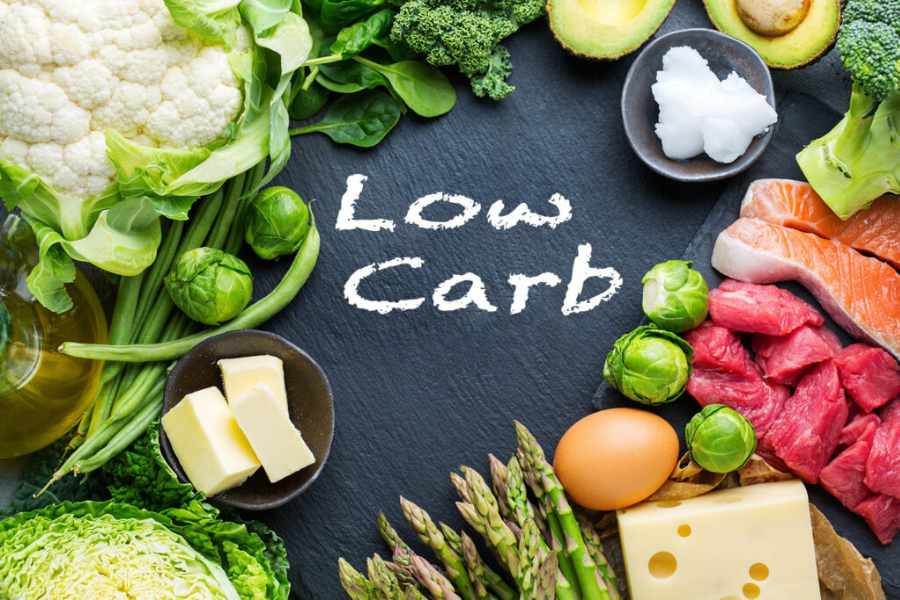
Low Carb Diet and Diabetes: What You Need to Know Now
A low carb diet and diabetes are often mentioned together, and for good reason. Cutting back on carbohydrates can help you lower blood sugar, lose weight, and sometimes even reduce your need for medication. At the same time, low carb eating is not a magic fix and it is not the right approach for every person with diabetes.
This guide walks you through what a low carb diet is, how it affects diabetes, what the research actually shows, and how you can decide whether it makes sense for you.
Understand what “low carb” really means
Carbohydrates are the main nutrient that raises your blood sugar. They are found in bread, pasta, rice, fruit, milk, yogurt, beans, sweets, and many snack foods. When you eat carbs, your body breaks them down into glucose, which then enters your bloodstream.
A low carb diet simply means you reduce the total amount of carbohydrate you eat. The exact number varies, but there are three common levels:
- Low carb: up to about 130 grams of carbs per day, or less than about 26% of your calories from carbs, according to Diabetes UK in 2024 (Diabetes UK).
- Very low carb: often 20 to 60 grams per day.
- Ketogenic: usually under 20 to 30 grams per day and very high in fat.
You do not have to go ultra low carb or ketogenic to see benefits. Many people with diabetes do well on a moderate low carb plan that focuses on cutting sugar and refined starches first, then adjusting from there.
See how low carb affects diabetes
When you have type 2 diabetes or prediabetes, your body does not use insulin as effectively as it should. This leads to higher blood sugar. Since carbs are what push blood sugar up the most, eating fewer of them can:
- Reduce blood sugar spikes after meals
- Lower your average A1C
- Help you lose weight, especially around your midsection
- Decrease your need for some medications
A systematic review published in 2025 found that low carb and ketogenic diets led to meaningful reductions in A1C, body weight, body mass index, and systolic blood pressure in adults with type 2 diabetes over one to eight years (PubMed). Many participants also needed less glucose lowering and blood pressure medication during follow up.
Some people even reach remission, which means blood sugar is in the non diabetic range without diabetes medication. In that same review, remission rates were highest at one year, up to 62%, but dropped to 13% by five years (PubMed). That pattern highlights both the potential and the challenge: low carb can work very well, but sticking with it over the long term is hard.
Look at what the research really says
Several major studies give you a clearer picture of how low carb diets and diabetes fit together.
Short term results are often impressive
A 2021 meta analysis in BMJ that included 23 small randomized trials found that a low carb diet, defined as less than 26% of calories from carbs, was more likely than other diets or usual eating patterns to bring A1C below 6.5% or fasting blood sugar under 126 mg/dL after six months in people with type 2 diabetes (American Academy of Family Physicians). The number needed to treat was only 4, which means that for every four people who followed a low carb diet, one additional person reached diabetes remission compared with control diets.
Very low carb diets, with less than 10% of calories from carbs, also led to drops in body weight and triglycerides over six months. However, these advantages tended to fade by 12 months as people found it harder to maintain such a restrictive approach (American Academy of Family Physicians).
In people with prediabetes or mild untreated diabetes, a 2023 randomized trial published in JAMA Network Open showed that cutting carbs to under 40 grams per day for three months, then under 60 grams for another three months, significantly reduced A1C and fasting blood sugar compared with a usual diet (Harvard Health Publishing). Participants also lost about 13 pounds on average. Researchers estimated that the A1C improvements translated to almost a 60% lower three year diabetes risk, although the benefit was greater among white participants than Black participants.
Long term, low carb is helpful but not clearly superior
When you zoom out to one to two years or more, the picture becomes more mixed. A review of trials from 2010 to 2015 found that low carb diets produced short term improvements in A1C, weight, and cardiovascular risk factors in type 2 diabetes, but they did not consistently outperform higher carb diets over up to 24 months (Diabetes Therapy). Both low and higher carb plans led to weight loss, and in many studies the differences between groups were small or not statistically significant.
The 2025 systematic review reached a similar conclusion. Low carb and ketogenic diets produced overall metabolic improvements and helped some people reduce medication for up to eight years, but remission rates and weight loss tended to decline over time as adherence dropped (PubMed).
Major organizations such as Diabetes UK and the American Diabetes Association now emphasize that there is no one best diet for everyone with type 2 diabetes. Instead, they recommend personalizing your carb intake and focusing on whole, minimally processed foods (Diabetes Therapy, Healthline).
Type 1 diabetes is different
If you live with type 1 diabetes, the picture changes. There is not strong evidence that low carb diets are safer or more effective for you, and major organizations do not recommend low carb as the default approach. Carb counting to match your insulin dose to what you eat is still the standard (Diabetes UK).
If you use insulin or certain other medications that can cause low blood sugar, you must talk with your healthcare team before reducing carbs. Medication doses may need to be adjusted to prevent hypoglycemia (Diabetes UK, Healthline).
Prioritize the quality of your carbs and fats
One important takeaway from newer research is that what you eat instead of carbs matters just as much as how many carbs you cut.
An analysis presented at an American Heart Association conference followed more than 200,000 adults over up to 30 years. People who ate the lowest amount of carbs, around 40% of calories, but got most of their protein and fat from plant sources had a 6% lower risk of type 2 diabetes. When they also minimized sugar and refined carbs, their risk was 15% lower (American Heart Association News).
In contrast, people who followed low carb diets heavy in animal protein and fat had a 35% higher risk of type 2 diabetes, which rose to 39% if they also ate very little in the way of whole grains (American Heart Association News).
In practical terms, this means a low carb diet built around vegetables, nuts, seeds, beans or lentils in moderation, olive oil, avocados, and fish or modest amounts of lean meat is likely to be more protective than one centered on processed meats, butter, and cheese.
A 2022 Stanford study that compared a strict ketogenic diet with a Mediterranean style low carb diet in people with type 2 diabetes or prediabetes found that both diets lowered A1C and promoted weight loss. The ketogenic diet reduced triglycerides more, but it also raised LDL cholesterol, while the Mediterranean plan lowered LDL (Stanford Medicine). Most participants found the Mediterranean diet easier to maintain because it allowed fruit, legumes, and whole grains, and three months after the trial they were generally eating closer to a Mediterranean pattern (Stanford Medicine).
Weigh the benefits and downsides
Like any eating pattern, a low carb diet has trade offs. Understanding both sides can help you decide whether to try it and how strict to be.
Potential benefits
For many people with type 2 diabetes or prediabetes, you may see:
- Lower A1C and fasting blood sugar, especially in the first six to twelve months (Harvard Health Publishing, American Academy of Family Physicians).
- Weight loss, which can improve insulin sensitivity. Losing about 15 kilograms within three to five months significantly increases your chance of remission if you have type 2 diabetes, especially in the first six years after diagnosis (Diabetes UK).
- Lower blood pressure and triglycerides in many cases (PubMed, Diabetes Therapy).
- Less need for some medications, when changes are made under medical supervision (PubMed, Healthline).
Some people also feel more in control, because their blood sugars fluctuate less throughout the day. That sense of stability can be very motivating.
Possible downsides
On the other hand, you might face:
- Difficulty sticking with a strict plan, especially if you enjoy bread, fruit, or cultural foods that are carb rich.
- Short term side effects like constipation, headache, or bad breath, which tend to improve as your body adjusts (Diabetes UK).
- Risk of low blood sugar if you are on insulin or certain pills and your medication is not adjusted properly (Diabetes UK, Healthline).
- Potential increases in LDL cholesterol on very high fat, animal heavy ketogenic diets (Stanford Medicine).
- Limited long term data on very low carb or ketogenic eating beyond several years in diverse groups.
Research reviews also note that many low carb trials have moderate to high risk of bias and evidence of publication bias around weight loss, so you should interpret dramatic claims with caution (American Academy of Family Physicians).
Decide if a low carb diet is right for you
There is no single carb target that works for everyone with diabetes. The American Diabetes Association points out that your ideal intake depends on your health goals, medications, cultural background, and what you can realistically maintain over time (Healthline).
You might be a good candidate to try a low carb approach if:
- You have type 2 diabetes or prediabetes and want to lower A1C or delay progression.
- You are willing to track what you eat and check blood sugar regularly at first.
- You are open to focusing on non starchy vegetables, lean or plant based proteins, and healthy fats.
- You can work with a healthcare provider to adjust medications if needed.
You may want a different strategy or a more moderate carb reduction if you:
- Have type 1 diabetes or are at risk of frequent hypoglycemia.
- Have a history of eating disorders, because strict rules can be triggering.
- Find that very low carb eating worsens your cholesterol levels or quality of life.
If you are unsure where to start, remember that even small carb reductions can help. For example, simply cutting sugary drinks, desserts, and white bread or rice is often enough to move your numbers in the right direction.
A practical middle ground for many people is a Mediterranean style, lower carb pattern that emphasizes vegetables, beans in moderate portions, whole grains, nuts, olive oil, and fish, which research suggests is both effective and easier to sustain long term (Stanford Medicine).
Start low carb safely and sustainably
If you decide to explore a low carb diet and diabetes management together, taking a few careful steps will help you stay safe and increase your chances of success.
-
Talk with your healthcare team first
If you use insulin or medications like sulfonylureas that can cause low blood sugar, tell your doctor, diabetes nurse, or dietitian that you plan to lower carbs. Medication often needs to be reduced so you do not become hypoglycemic as your blood sugar improves (Diabetes UK, Healthline). -
Reduce refined carbs before anything else
Start by cutting sugary drinks, candies, pastries, and white bread or pasta. Replace them with water or unsweetened drinks, non starchy vegetables, and whole grains in smaller portions. This alone can significantly lower your overall carb intake and improve blood sugar. -
Focus on fiber and healthy fats
To prevent constipation and keep cholesterol in check, choose fiber rich carbs like vegetables, berries, lentils, and small amounts of whole grains, and pair them with unsaturated fats from sources like olive oil, nuts, seeds, and avocado (Diabetes UK, American Heart Association News). -
Adjust gradually and monitor your response
You do not have to jump straight to 20 grams of carbs per day. You might begin around 130 grams daily, track your blood sugar, and then decide whether to go lower. Some studies suggest that very low carb intakes, under 60 grams per day, can have powerful effects when you can maintain them, but moderate reductions are still helpful (Harvard Health Publishing, Healthline). -
Plan for social situations and long term life
Since adherence is one of the biggest challenges, think ahead about how you will handle restaurants, holidays, and travel. A flexible framework, such as mostly low carb meals with room for occasional higher carb foods, is often easier to live with than a rigid rule that you feel you have to follow perfectly.
Key points to remember
- Low carb diets can significantly improve blood sugar, weight, and some heart risk factors in type 2 diabetes and prediabetes, especially in the first six to twelve months (PubMed, Harvard Health Publishing).
- Long term, low carb is one effective option, but it does not consistently outperform other balanced, calorie controlled diets and it can be hard to sustain for some people (Diabetes Therapy).
- The quality of your carbs, proteins, and fats matters. Plant focused, minimally processed low carb patterns tend to be safer and more protective than animal heavy, processed meat based versions (American Heart Association News).
- If you take insulin or other glucose lowering medications, you should never make large carb changes without medical guidance.
- There is no one size fits all carb target. The best plan is the one that improves your numbers and fits your life so you can keep going.
If you are curious about how a low carb diet and diabetes management might work together for you, consider starting with one simple change at your next meal, such as swapping sugary drinks for water and filling half your plate with non starchy vegetables. Then, as you see how your body responds, you and your care team can decide whether to go further.
About The Author