Carnivore Diet Weight Loss: The Truth You Should Trust
A carnivore diet weight loss plan can look deceptively simple. You eat meat, eggs, maybe a bit of cheese, and skip every carb on your plate. Many people online say the weight falls off, their energy soars, and long-standing health issues fade.
The truth is more complicated. You will see real reasons why this way of eating can lead to weight loss, but you will also see serious health risks that experts warn you not to ignore.
What the carnivore diet actually is
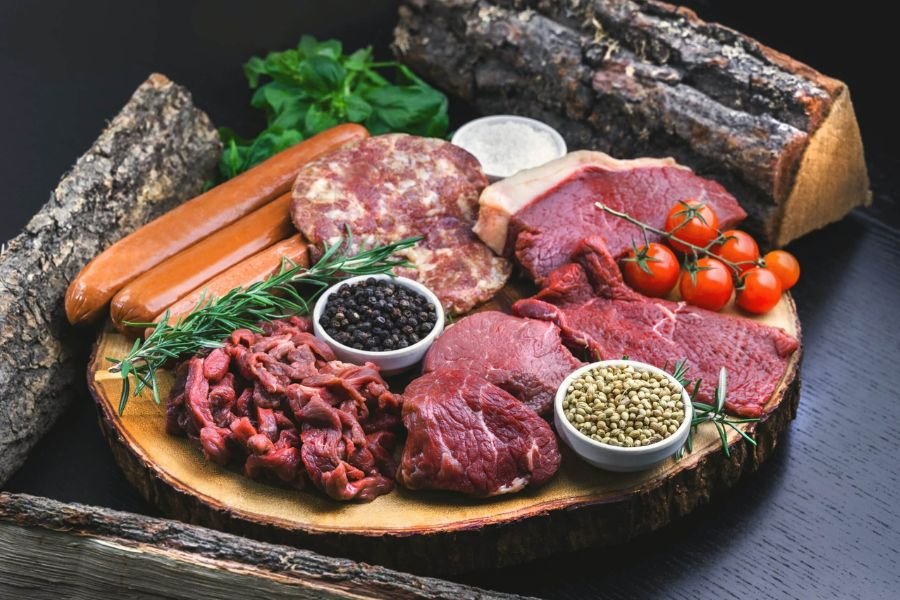
On a carnivore diet you eat only animal products. That typically includes:
- Beef, pork, lamb, poultry
- Fish and seafood
- Eggs
- Some dairy like cheese and butter
- Water, and sometimes coffee or tea, depending on the version
You avoid all plant foods entirely. That means no fruits, vegetables, grains, legumes, nuts, seeds, or plant oils. The diet is sometimes called a “zero carb” or “extreme keto” plan because it almost completely eliminates carbohydrates and pushes your body to run on fat and ketones instead of sugar (Harvard Health Publishing, University Hospitals).
Compared to ketogenic diets, which usually still include up to 10% of calories from carbs, the carnivore diet goes further by cutting carbs down to almost nothing (Harvard Health Publishing).
Why the carnivore diet may cause weight loss
If you are wondering why carnivore diet weight loss stories are so common, there are a few straightforward reasons.
You cut ultra-processed carbs
When you remove all carbohydrates, you automatically remove foods like:
- Cookies, cakes, and pastries
- Chips and crackers
- Sugary drinks and sweetened coffee
- White bread and most fast food
These foods are easy to overeat and calorie dense. Simply cutting them can create a natural calorie deficit even if you are not counting every bite (Baylor Scott & White Health).
For some people, this shift alone leads to early weight loss without much effort.
You feel full on protein and fat
Meat, eggs, and cheese are high in protein and fat, which tend to be very filling. When you feel full sooner and stay satisfied longer, you often eat fewer total calories, even if you are allowed to eat “as much as you want.”
High protein and fat intake, combined with almost no carbohydrates, can shift your body into ketosis, where you start burning stored fat for energy. This is part of why you might see the scale move quickly in the first few weeks (Harvard Health Publishing, British Heart Foundation).
You may lose water weight fast
When you stop eating carbohydrates, your body uses up stored glycogen. Glycogen is stored with water, so as it drops, water weight drops too. This can make your early results look dramatic, even if you have not yet lost much body fat.
That early “whoosh” can be motivating, but it can also create unrealistic expectations about how fast you will continue to lose weight.
What success stories do (and do not) tell you
If you search for carnivore diet weight loss before and after photos, you will find impressive transformations. Some people describe losing 20, 30, or even 50 pounds, often while reporting less hunger and more consistent energy (The Primal, Chief Nutrition).
You will also see stories of improvements in IBS, joint pain, skin conditions, or mood, which some people attribute to eliminating plant foods and common allergens (The Primal, University Hospitals). These reports are very personal and can be encouraging if you are struggling.
However, you need to keep a few things in mind:
- Most of these accounts are self-reported and not verified by doctors or long-term studies.
- Individuals often change several habits at once, such as cutting alcohol or sugar, so it is hard to know what really caused the improvements.
- There are also stories of stalled weight loss, weight gain, or feeling heavy and unwell on the diet, which are less likely to be highlighted in social media posts (Chief Nutrition).
A 2021 survey of more than 2,000 people on the carnivore diet found many reported better health and lower weight, but even the researchers cautioned that the results depended on self-reporting and lacked solid medical confirmation (British Heart Foundation).
In other words, inspiring stories can show what is possible, not what is guaranteed or safe for you.
The health risks experts want you to understand
When you look beyond anecdotes and turn to medical organizations, the tone changes quickly. Most experts strongly advise against using the carnivore diet as a long-term weight loss strategy.
Nutrient gaps from cutting plants
By removing all fruits, vegetables, whole grains, legumes, nuts, and seeds, you drop entire food groups at once. This raises the risk of missing important nutrients such as:
- Fiber, which supports digestion and heart health
- Vitamin C and other antioxidants
- Phytonutrients that help protect against chronic disease
Dietitians warn that these gaps can build up over time and affect your heart, gut, and immune system health (Cleveland Clinic, Inspira Health Network).
Heart and kidney concerns
A carnivore diet tends to be very high in saturated fat and animal protein. That combination brings specific risks:
- Higher LDL cholesterol, which is linked with heart disease
- Increased strain on your kidneys because they have to process more protein
- Possible increased risk of kidney stones, gout, osteoporosis, and impaired kidney function over time (Harvard Health Publishing)
Several health organizations, including Harvard Health Publishing and the British Heart Foundation, explicitly do not recommend the carnivore diet for weight loss, even though it can produce weight loss, because of these concerns (Harvard Health Publishing, British Heart Foundation).
Digestive issues and colon cancer risk
Without fiber, your digestion has to work harder. Over time, you may notice:
- Constipation or irregular bowel movements
- Changes in gut bacteria that can affect overall health
High intakes of red and processed meat, combined with a lack of fiber-rich foods, are also associated with a higher risk of colon cancer (Baylor Scott & White Health, St. Vincent’s Medical Center).
Sustainability in real life
Even if you are comfortable eating mostly meat at home, staying strict carnivore can be tough when you:
- Eat at restaurants or social events
- Travel
- Share meals with family or friends
Many people find that the all-or-nothing nature of the diet leads to cycles of strict restriction followed by overeating or “rebound” weight gain. Experts point to this as one reason the diet is hard to maintain and not a good fit for long-term weight management (Inspira Health Network, St. Vincent’s Medical Center).
Health organizations consistently recommend balanced, plant-inclusive eating patterns such as the Mediterranean-style diet over extreme approaches like carnivore, even when weight loss is your primary goal (British Heart Foundation).
When trying carnivore might be tempting
You might feel drawn to the carnivore diet if:
- You have tried multiple diets without success and want a fresh start
- You suspect you react poorly to gluten or certain plant foods
- You like simple rules and do not want to count calories or track macros
- You are in a community where carnivore is popular and heavily praised
Some people with gluten intolerance or sensitivities to certain plant compounds do report symptom relief when they temporarily remove those foods (University Hospitals). If you relate to that, it can be tempting to view carnivore as an easy answer.
It is important to remember that symptom relief does not prove that every plant food is harmful for you. Often, a more moderate elimination and reintroduction process, guided by a registered dietitian, can help you identify problem foods without losing entire food groups long term.
If you still want to try it, do this first
If you are seriously considering a carnivore diet weight loss experiment, treating it like a medical decision rather than a quick challenge is the safest path.
Talk with a professional
Before you start, schedule a visit with:
- Your primary care doctor, and
- Ideally, a registered dietitian or nutritionist
This step is especially important if you have high cholesterol, heart disease, diabetes, kidney problems, a history of eating disorders, or if you are pregnant or breastfeeding. Medical teams consistently advise caution for people in these groups because of the diet’s extreme restrictions and potential risks (Inspira Health Network, University Hospitals).
Treat it as a short, monitored trial
If your healthcare provider clears you, consider:
- Limiting your trial to a short period, such as 2 to 4 weeks
- Getting baseline labs, like cholesterol, kidney function, and blood sugar, then retesting afterward
- Planning ahead for how you will transition back to a more balanced way of eating
During this time, pay attention not just to your weight, but also to your sleep, digestion, mood, energy levels, and any new symptoms.
Prioritize quality and variety in animal foods
If you go ahead, you can reduce some risks by:
- Choosing less processed meats more often than cured or smoked meats
- Including fish and seafood several times per week
- Adding organ meats like liver occasionally to widen your nutrient intake (Saint Alphonsus)
You may still fall short on certain vitamins and fiber, but you will be giving your body a broader mix of nutrients than if you ate only steak and eggs.
Safer, more sustainable ways to lose weight
You might be drawn to carnivore because your past attempts at weight loss have been frustrating. That does not mean you need to choose the most extreme option available.
Experts consistently recommend approaches that:
- Include a variety of food groups, especially vegetables, fruits, whole grains, and lean proteins
- Emphasize whole, minimally processed foods over packaged snacks and sweets
- Fit your cultural, social, and personal preferences so you can keep going long term
Models like the MyPlate method, with half your plate non-starchy vegetables, one quarter protein, and one quarter healthy carbohydrates, are often suggested as simple, flexible starting points (St. Vincent’s Medical Center).
If weight loss is your main goal, you might find it more realistic to:
- Reduce added sugars and refined grains
- Build each meal around lean protein and plenty of fiber
- Move your body in ways you enjoy, even if it is just walking more
- Work with a professional who can personalize your plan and help you avoid extreme swings
These changes may look less dramatic than switching to all meat overnight, but they are far more likely to be safe, adaptable, and sustainable for you.
How to decide what is right for you
The bottom line is that a carnivore diet can cause weight loss, especially in the short term, but the trade-offs are significant. The lack of plant foods, very high intake of animal products, and all-or-nothing structure create real health risks that major medical organizations urge you not to overlook.
If you feel curious about carnivore, you do not have to ignore that curiosity, but it is wise to:
- See it as one data point, not a cure-all
- Involve your healthcare team before making big changes
- Consider less extreme, evidence-backed options first
You deserve an approach to eating that helps you reach a healthy weight without gambling with your long-term health. Taking a little extra time to explore safer, balanced plans now can save you from more complicated problems later.
About The Author