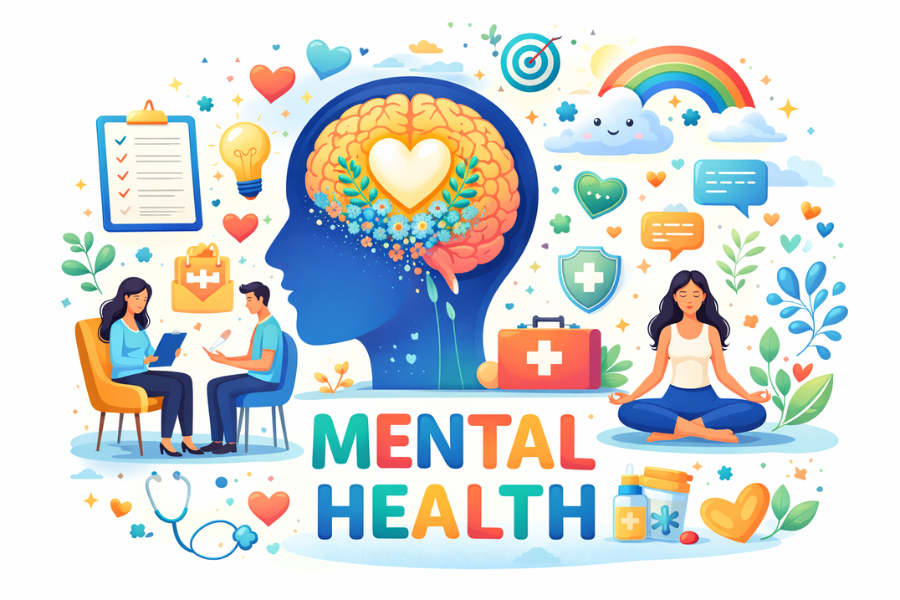
Feel Better: How to Calm Anxiety Naturally at Home
A racing heart. Tight chest. Thoughts that jump from one worry to the next. If you live with anxiety, you know how quickly it can hijack your day. The good news is that there are simple, science backed ways to calm anxiety naturally at home and support your mental health over time.
You can use the ideas below alongside any treatment your doctor recommends. They are not a replacement for professional care, but they can give you tools to feel more grounded and in control.
Understand what your anxiety needs
Before you reach for a new remedy, it helps to notice what your anxiety looks like in your body and your life.
You might feel it mostly in your thoughts, like constant “what if” scenarios. Or you might notice physical signs first, like shallow breathing, a pounding heart, or restless energy. Anxiety often affects sleep, appetite, and focus too.
When you understand your patterns, you can match them with the right strategies. For example, a buzzing body usually responds well to movement and breathing exercises. A busy mind often eases with meditation or calming routines.
Think of this as building a personal toolkit for how to calm anxiety naturally, one simple habit at a time.
Use movement to release tension
Anxiety keeps your body in a state of high alert. Moving your body helps use up that stress energy and encourages your brain to release endorphins, which are natural chemicals that boost your mood and help reduce anxiety symptoms (WebMD).
You do not need an intense workout to feel a difference. Gentle, consistent movement is enough.
Try short, realistic steps like:
- A 10 minute walk around your block or inside your home
- Light stretching while you watch a show
- Dancing to one song in your kitchen
- Following a short beginner friendly workout video
If you feel your anxiety climbing, see what happens if you get up and walk slowly for a few minutes. Notice your feet on the floor and the swing of your arms as you move. Pairing movement with mindful attention can amplify the calming effect.
If you have health conditions or you are new to exercise, ask your doctor what type of movement is safe for you.
Breathe in ways that calm your body
When you feel anxious, your breathing usually becomes shallow and fast. This can make you feel even more on edge. Targeted breathing exercises help reset your nervous system and restore a steadier rhythm.
Deep breathing exercises have been shown to lower heart rate and blood pressure, relax muscles, and reduce the release of stress hormones that fuel anxiety (WebMD, Dignity Health).
Try this simple calming breath
You can do this seated, standing, or lying down. The NHS suggests finding a comfortable position, loosening tight clothing, and placing your feet flat on the floor about hip width apart if you are sitting or standing (NHS).
- Gently close your mouth and inhale through your nose as your belly expands.
- Exhale slowly through your mouth, as if you are softly blowing out a candle.
- Make your exhale a little longer than your inhale. Lengthening the exhale activates the part of your nervous system that helps you relax (Healthline).
- Repeat for 3 to 5 minutes.
This kind of diaphragmatic or abdominal breathing, where you breathe from your diaphragm instead of your chest, can reduce the effort your body uses to breathe and may decrease anxiety if you practice it a few times a day for up to 10 minutes at a time (Healthline).
Regular practice, even when you are not anxious, makes this technique easier to use when you really need it (NHS).
Use meditation and mindfulness as daily anchors
Meditation can sound complicated, but at its core it is simply training your attention. By gently guiding your focus back to the present moment, you give your mind a break from anxious loops.
Meditation is a simple, fast, and low cost way to reduce stress and calm anxiety that you can do almost anywhere, even for a few minutes at a time (Mayo Clinic).
Research has found that mindfulness meditation can ease psychological stress, including anxiety, depression, and pain (Harvard Health Publishing). Programs that teach mindfulness based stress reduction have been shown to significantly reduce anxiety symptoms in people with generalized anxiety disorder compared with general stress management training (Harvard Health Publishing).
Simple ways to bring mindfulness into your day
You do not have to sit for long sessions to get benefits. You can experiment with:
- Focusing on your breathing for two minutes, noticing each inhale and exhale
- A body scan, where you mentally move from your toes to your head, observing sensations without judging them (Mayo Clinic)
- A short walking meditation, paying attention to how your feet feel as they touch the ground
Guided meditations can be helpful if your mind tends to wander. Listening to a calming voice that walks you through breathing and visualization can interrupt anxious thought patterns and help create new, calmer habits (Healthline).
Over time, the effects of meditation can carry into the rest of your day. Many people find it easier to stay grounded during stressful moments when they practice regularly (Mayo Clinic).
Consider herbal and aromatherapy options carefully
You might be curious about herbs or essential oils when you look for ways to calm anxiety naturally at home. Some people do find them helpful, but it is important to understand both the potential benefits and the limits of what we know.
Herbs that may support calm
Some herbal remedies, such as chamomile, ashwagandha, valerian root, lavender, and kava, have been studied for potential anxiety relief. For example:
- Ashwagandha, an adaptogenic herb used in traditional Indian medicine, may help lower cortisol and reduce stress. A 2019 study found that 600 mg per day for eight weeks improved sleep and significantly reduced stress levels in people with perceived stress (Medical News Today).
- Chamomile has been studied for generalized anxiety disorder. In one clinical trial, 1,500 mg daily reduced the severity of relapse symptoms over 26 weeks (Medical News Today).
- Valerian root is a traditional remedy for sleep problems and anxiety and may influence calming brain receptors, although evidence for its anxiety reducing effects and long term safety is still limited (Medical News Today).
- Lavender essential oil, which contains compounds like linalool and linalyl acetate, may have a calming effect on the brain. A 2017 review suggested it could be an effective short term treatment for anxiety disorders, but long term effects are less clear (Medical News Today).
- Kava kava has shown some ability to reduce stress and anxiety, but there have also been reports of severe liver damage associated with some kava products, so medical guidance is especially important here (Medical News Today).
Experts note that while some herbal remedies show promise, more research is needed to fully understand their risks and benefits (Mayo Clinic).
Safety first with supplements
Herbal supplements are not regulated as strictly as medicines in the United States, so quality and safety can vary from brand to brand (Mayo Clinic). Some can cause drowsiness, interact with medications, or make certain health conditions worse.
Because of this, it is important to talk with your doctor before starting any supplement, especially if you already take other medications or have existing health issues. Your doctor can help you weigh the potential benefits against possible side effects or interactions (Mayo Clinic).
Aromatherapy as a gentle support
Aromatherapy uses essential oils to influence mood and relaxation. You can inhale the scent through a diffuser or apply diluted oils to pulse points. Some people find that calming scents, such as lavender, help them unwind and reduce anxiety symptoms (WebMD).
Aromatherapy works best as a gentle addition to your other tools, not a sole solution. Always dilute essential oils properly and discontinue use if you notice irritation or headaches.
Support your body with daily habits
Your brain and body are closely connected. Everyday choices around food, sleep, and stimulants can make your anxiety better or worse.
Steady your blood sugar
When your blood sugar swings up and down, you may feel jittery, irritable, or more anxious. Eating regularly and choosing balanced foods can help steady your mood.
Dignity Health suggests eating three meals and two snacks a day that emphasize high fiber foods, fruits, vegetables, nuts, lean meats, and low fat dairy to prevent irritability and anxiety, even if you do not have diabetes (Dignity Health).
Watch your stimulants
Caffeine, nicotine, and some medications or substances can intensify anxiety by stimulating your nervous system. If you notice that your symptoms spike after coffee or energy drinks, try cutting back slowly or switching to lower caffeine options. Avoiding stimulants like caffeine, nicotine, and illicit drugs is generally recommended if you deal with anxiety (Dignity Health).
Protect your sleep
Lack of sleep and anxiety often feed into each other. Poor sleep can raise anxiety, and anxiety can make it hard to fall or stay asleep.
Creating a simple wind down routine helps signal to your body that it is time to rest. You might:
- Dim lights an hour before bed
- Put your phone away or use a blue light filter
- Do 5 minutes of gentle stretching or breathing
If sleep problems continue, it is worth talking with a health professional, since ongoing sleep issues can worsen anxiety and may need targeted treatment (Dignity Health).
Build emotional support and professional care
Natural tools are powerful, but you do not have to figure out anxiety alone. Support from other people can make a real difference in how you feel.
Sharing what you are going through with a trusted friend or family member can reduce the sense of isolation that often comes with anxiety. Sometimes just saying “I am having a hard day, can we talk?” is enough to ease the weight you are carrying.
Therapies such as cognitive behavioral therapy (CBT) can also be very effective in reducing anxiety symptoms. CBT helps you notice unhelpful thought patterns and replace them with more balanced ones, and it is often used alongside natural approaches like stress management techniques and physical activity (Mayo Clinic).
If your anxiety:
- Feels constant or overwhelming
- Interferes with work, school, or relationships
- Leads to panic attacks or fear of leaving home
then it is a strong signal to reach out to a doctor or mental health professional. Natural strategies work best when they are part of a broader care plan that fits your unique situation.
Put it together: your next small step
You do not need to use every tool at once. The most effective way to calm anxiety naturally is to start small and build habits you can actually maintain.
You might choose one of these to try today:
- A 5 minute breathing exercise using slow, longer exhales
- A short walk or gentle stretch when your thoughts start to spiral
- A two minute mindfulness practice where you focus on your breath or on sensations in your body
- Swapping a late afternoon coffee for herbal tea
Pay attention to how your body and mind respond. Over time, you can combine what works best for you into a personalized routine.
Anxiety may still show up, but with practice you will have more ways to meet it with steadiness instead of fear.
About The Author





