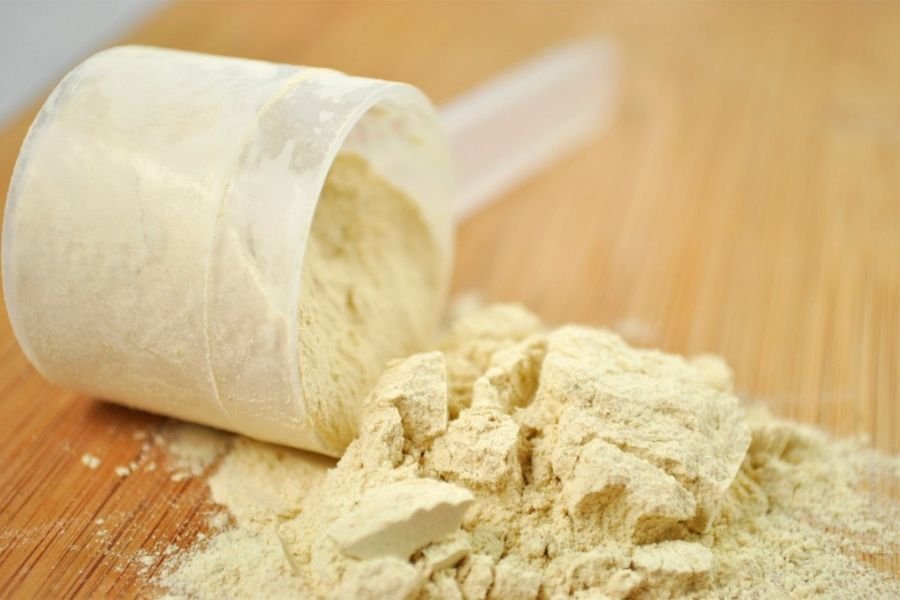
Whey Protein Powder Nutrition Facts Explained
What whey protein actually is
When you look up whey protein nutrition facts, it helps to know what you are really putting in your shaker bottle. Whey comes from milk. When milk is turned into cheese or yogurt, the liquid that separates from the solid curds is called whey. That liquid is then filtered, dried, and turned into the powder you scoop into drinks. (Mayo Clinic)
Roughly 20% of the protein in milk is whey and about 80% is casein. Whey is considered a fast digesting protein, so your body absorbs it quickly after you drink it. This makes it a popular choice for post workout shakes and for anyone who wants a convenient way to reach daily protein goals. (Healthline)
Key whey protein nutrition facts per scoop
Exact labels vary by brand, but many whey protein powders fall into a similar range, especially the basic, no frills options.
For a typical 30 gram scoop of 100% whey protein powder you usually get about:
- 120 calories
- 10% of calories from carbohydrates
- 8% of calories from fat
- 82% of calories from protein
In practical terms, that means you get a mostly protein focused food, with only a small amount of carbs and fat. One 30 gram scoop can provide about 43% of your recommended Daily Value of protein, which is a large chunk from one quick drink. (Eat This Much)
Smaller scoops tell a similar story. A 19.5 gram scoop typically contains around 13 grams of high quality animal protein and about 1 gram of fat. (Verywellfit)
Helpful comparison at a glance
Here is how a fairly standard whey scoop compares across brands and sources:
| Source / example | Scoop size | Protein | Calories | Notable notes |
|---|---|---|---|---|
| Generic 100% whey powder | 30 g | High, ~82% of calories | 120 | 10% carbs, 8% fat (Eat This Much) |
| Generic whey powder | 19.5 g | ~13 g protein | Varies | About 1 g fat per scoop (Verywellfit) |
| GOLD STANDARD 100% WHEY | 1 scoop | 24 g protein | Varies by flavor | 5.5 g BCAAs. Isolate based. Gluten free. (Optimum Nutrition) |
| Ascent Chocolate Whey Protein | 33 g | 25 g protein | Varies | 2.6 g leucine. 5.5 g BCAAs. 1 g sugar. No artificial additives. (Ascent Protein) |
You can use this as a reference point when you read your own label. If your numbers seem very different without a clear reason, it is worth double checking serving size and ingredients.
Protein quality and amino acids
Calories are only part of whey protein nutrition facts. The type of protein matters too. Whey is a complete protein, which means it naturally contains all nine essential amino acids that your body cannot make on its own. (Verywellfit)
One amino acid, leucine, is especially important for turning on muscle protein synthesis. Whey is naturally rich in leucine, which is one reason it is so effective around workouts. Ascent Chocolate Whey, for example, provides 2.6 grams of leucine and 5.5 grams of BCAAs in each scoop, which directly supports muscle repair and growth after you exercise. (Ascent Protein)
Whey protein is also helpful as you age. Research that includes adults aged 60 to 75 shows that complete proteins like whey support muscle preservation much more effectively than incomplete proteins like collagen. Collagen can still help your joints and connective tissues, but it does not provide all the amino acids needed for maintaining muscle size and strength. (Mayo Clinic)
Carbs, fats, and minerals in whey
When you focus on whey protein nutrition facts, it is easy to overlook the rest of the label. Even small amounts of carbs, fats, and minerals can matter, especially if you have a specific health goal.
Because whey is separated from the fat rich curds during cheese making, whey powder usually contains only about 1 gram of fat per scoop. Carbohydrates mostly come from lactose or from added flavoring ingredients and sweeteners, depending on the brand. (Verywellfit)
You also get some minerals. A single scoop often supplies around 50 milligrams of calcium, which is roughly 5% of your daily recommended intake. That is not enough to cover all of your calcium needs, but it is a helpful boost on top of your regular diet. (Verywellfit)
A scientific analysis of 47 whey products sold in Europe found that whey supplements can be significant sources of macrominerals like potassium and calcium. The average potassium content was about 4689 mg per kilogram and average calcium was about 3811 mg per kilogram. That means your scoops contribute more than just protein. (PMC)
Isolate vs concentrate vs hydrolysate
You will often see three main types of whey listed on tubs, and each one affects the nutrition facts slightly:
- Whey protein concentrate
- Whey protein isolate
- Whey protein hydrolysate
Whey concentrate is usually the least processed form. It typically contains up to about 80% protein by weight, with the remainder coming from carbohydrates and fats. Depending on quality, the protein content of concentrates can vary anywhere from about 30% to 90%. (Healthline, Ascent Protein)
Whey isolate goes through extra filtration. At least 90% of its weight comes from protein, with most of the lactose and fat removed. It usually has fewer carbohydrates, less fat, and slightly fewer calories per gram compared to concentrate. Because of this extra processing, isolate generally costs more and often has lower lactose content, which can make it easier to tolerate if you are sensitive to dairy. (Healthline, Ascent Protein)
Hydrolysate is whey that has been partially broken down into smaller peptide chains. This can make it digest even faster, but the basic nutrition facts are similar to other high quality whey products. Many people find that isolate or concentrate works just as well for building lean mass and strength. Studies do not show a clear difference in results when you consume equivalent amounts of protein from isolate or concentrate. (Healthline)
Some brands use a special form called native whey isolate, which comes directly from Grade A skim milk rather than from cheese making leftovers. This can result in a very pure and intact protein, although it typically requires more expensive processing equipment. (Ascent Protein)
Example labels from real brands
Looking at real product labels can make the nutrition facts more concrete.
GOLD STANDARD 100% WHEY is one of the best known blends. Each serving provides:
- 24 grams of high quality protein
- 5.5 grams of naturally occurring BCAAs
- A primary protein source of whey isolate
- Gluten free formula, tested for banned substances
This product is designed to digest quickly and to support muscle building and recovery for everyone from casual runners to serious strength athletes. The brand suggests mixing one scoop with 6 to 8 fluid ounces of cold water, milk, or another beverage and drinking it 30 to 60 minutes after workouts or anytime as a protein rich snack. (Optimum Nutrition)
Ascent Chocolate Whey Protein Powder offers another clear example. Per 33 gram scoop you get:
- 25 grams of fast digesting whey protein
- 2.6 grams of leucine
- 5.5 grams of BCAAs
- Only 1 gram of naturally occurring sugar
- No added sugars, artificial flavors, colors, or additives
The company notes that 25 grams of protein in one serving is nutritionally similar to the protein you would get from 4 large eggs, 1 small chicken breast, 3 cups of whole milk, 3 servings of 8 ounce yogurt, or about ¾ cup of almonds. That comparison shows how much protein you can get in a small scoop of powder. (Ascent Protein)
Safety, contaminants, and label accuracy
You might assume that every tub of powder perfectly matches its label, but testing suggests that is not always true. A study of 47 whey protein supplements sold in Europe found that the real protein content averaged 70.9% while the declared average on labels was 74.3%. That difference was statistically significant, which means some products did not fully deliver the protein promised on the label. (PMC)
The same study measured minerals and found both helpful nutrients and some potentially concerning elements. On the positive side, potassium and calcium levels were high enough to make these supplements meaningful sources of these minerals. On the caution side, potentially toxic elements like boron, copper, molybdenum, zinc, and vanadium were detected. In some concentrate products, average molybdenum levels were high enough that regular intake could exceed safe tolerable limits set by the European Food Safety Authority. (PMC)
Researchers also noticed that mineral concentrations differed between isolates and concentrates. For instance, concentrates had higher average molybdenum and zinc, while some isolates had very high maximum calcium levels. This was also the first study to report boron in whey supplements and it highlighted the need for regular quality control and safety checks in this category. (PMC)
To protect your health, it makes sense to choose brands that use third party testing and clearly list all ingredients and amino acids. Mayo Clinic suggests looking for products that:
- Provide around 20 to 25 grams of protein per serving
- Contain 100% protein without unnecessary additives
- List all essential amino acids
- Are tested by an independent lab for purity and contaminants
How to use whey protein wisely
Once you understand whey protein nutrition facts, you can fit it into your routine in a way that supports your goals without overdoing it.
If you are older than 65, expert guidance suggests aiming for about 1.2 grams of protein per kilogram of body weight each day. A powder that delivers 20 to 25 grams per serving can make it easier to meet that target, especially if you do not always feel like eating large portions of meat or dairy. (Mayo Clinic)
For active adults of any age, whey works well:
- About 30 to 60 minutes after strength or endurance training
- As a quick breakfast when you add fruit, oats, or nut butter
- Between meals if you tend to go long stretches without eating
Isolate can be a better fit if you are very calorie conscious or sensitive to lactose. Concentrate can be cost effective if you tolerate dairy well and prefer a slightly creamier texture. In both cases, you get a complete, fast digesting protein that supports muscle repair, maintenance, and overall health.
If you have kidney disease, severe lactose intolerance, or other medical concerns, check with your healthcare provider before you add any protein supplement. Otherwise, treating whey powder like any other concentrated food, reading the label closely, and choosing tested brands will help you get the benefits with fewer surprises.
About The Author


