Are Creatine Supplements for Women Safe and Effective?
Creatine supplements for women have gone from bodybuilder secret to mainstream wellness topic. If you lift weights, run, or simply want more energy and better aging support, you have probably wondered whether creatine is safe and effective for you.
You are not alone. Research over the past decade has focused specifically on creatine supplements for women, and the results are encouraging: consistent benefits for strength, muscle, and possibly mood and cognition, with a strong safety record when you use it correctly.
Below, you will find a clear, science-backed guide to help you decide whether creatine belongs in your routine.
What creatine is and how it works
Creatine is a compound your body makes from amino acids and stores mainly in your muscles and brain. It helps regenerate ATP, your cells’ main energy currency, during short bursts of effort such as lifting, sprinting, or climbing stairs.
You also get small amounts of creatine from foods like red meat and fish. However, women typically eat less of these foods and naturally produce less creatine than men, which means you start with lower baseline levels.
Researchers estimate that females have about 70 to 80 percent lower endogenous creatine stores than males. This makes creatine supplementation a logical way to raise your levels to a more optimal range for performance and health across different life stages, including pre menopause, pregnancy, and post menopause (PMC – NCBI).
Why creatine matters specifically for women
Lower natural creatine levels are only part of the story. Hormonal shifts also influence how your body uses and benefits from creatine.
Estrogen appears to interact with creatine metabolism and brain energy systems. When estrogen dips, such as during menstruation, postpartum, perimenopause, and post menopause, your energy, mood, and muscle maintenance can all feel the impact. Creatine may help buffer some of those changes by improving energy availability in both muscle and brain cells (TārāMD).
Women also tend to have:
- Less total muscle mass than men
- Lower dietary creatine intake
- Higher rates of conditions like osteoporosis and age related muscle loss
Because of this, creatine becomes less of a niche “gym supplement” and more of a useful tool for women’s long term health.
Proven benefits of creatine supplements for women
Creatine has been studied for over 30 years, and much of that research now includes women across age groups. Here is what the science supports so far.
Stronger lifts and better performance
If you strength train, creatine is one of the few supplements that consistently improves results.
In pre menopausal women, creatine combined with resistance training has been shown to significantly increase muscular strength and power. Some studies report strength increases of about 18 percent in bench press and 24 percent in squat compared with training alone (PMC – NCBI).
Creatine helps you:
- Push a few extra reps in your working sets
- Recover faster between high effort intervals
- Maintain power in sports that require quick bursts, such as sprints or HIIT (Cleveland Clinic)
That extra performance over weeks and months adds up to more muscle and strength.
Support for muscle and body composition
Creatine draws more water into your muscle cells and improves your ability to train hard. Over time, that can translate into more lean body mass.
Some research suggests that creatine supplementation may result in an additional 2 to 4 pounds of muscle mass within 4 to 12 weeks of regular exercise, although individual results vary and women may sometimes gain less absolute muscle than men (Cleveland Clinic).
For midlife and older women, creatine is especially interesting. It appears to help counteract menopause related muscle loss when you pair it with resistance or strength training, which supports metabolic health and may protect against frailty and osteoporosis risk over time (TārāMD).
Early work in post menopausal women shows that high dose creatine for short periods, around 0.3 grams per kilogram of body weight per day for 7 days, can augment fat free mass, muscle strength, and functional test performance, especially when combined with resistance training. Effects on bone density are still unclear, so more research is needed (PMC – NCBI).
Brain, mood, and cognitive support
You might think of creatine as a “gym” supplement, but your brain also stores and uses creatine. That is why researchers are studying its impact on mood and mental performance.
Emerging evidence suggests that creatine can improve mood and cognitive function in females by restoring brain energy homeostasis. Clinical trials have reported significant reductions in depressive symptoms in female adolescents and adults when creatine is used alongside antidepressant medication (PMC – NCBI).
Other reports indicate that creatine may support cognition, attention, memory, and mood, with especially strong effects in older adults and vegetarians who often start with lower creatine stores (TārāMD).
A 2024 overview highlights that for women, benefits extend beyond performance. Creatine may help with mood and cognitive function under stress or sleep deprivation, which makes it relevant for everyday wellness and healthy aging, not just sports (UCLA Health).
Potential roles in fertility and pregnancy
This area is still emerging, so you should always talk with your obstetrician or midwife before using creatine when trying to conceive or during pregnancy.
Early research suggests creatine supplementation may help meet the increased energy demands of the placenta and fetus and might improve some pregnancy outcomes, pointing to a potential role in reproductive health. However, current evidence is not strong enough to recommend routine pregnancy use without medical guidance (TārāMD).
Is creatine safe for women?
Safety is often the top concern when you look into creatine supplements for women. The reassuring news is that creatine is one of the most studied sports supplements and, for healthy individuals, has a strong safety profile.
Systematic reviews report no adverse effects on gastrointestinal, renal, hepatic, or cardiovascular health when creatine is consumed in recommended doses across different female age groups (PMC – NCBI).
UCLA Health notes that potential side effects in women are usually mild. These can include gas, bloating, or stomach upset, especially at higher doses. You can often minimize these by starting with a lower daily dose and skipping the high dose loading phase (UCLA Health).
However, there are important caveats:
- If you have kidney disease or take medications that affect kidney function, you should consult your physician before using creatine. Creatine can raise creatinine levels, which might complicate the assessment of kidney function (UCLA Health, Forbes).
- If you are pregnant, breastfeeding, or planning pregnancy, speak with your healthcare provider first, since long term safety data in these groups is still limited.
Overall, for healthy women using standard doses, long term studies have not found serious safety signals.
In healthy women, creatine monohydrate used at typical daily doses of 3 to 5 grams has not been shown to damage kidneys, liver, or heart function in controlled research settings, although individual medical factors still matter.
Common myths and what to expect
You might hesitate to start creatine because of what you have heard in the gym or on social media. Here is how those claims stack up against the research.
“Creatine makes you bulky”
Creatine is not a hormone, and it does not turn you into a bodybuilder overnight.
What it does is:
- Increase water content inside your muscles
- Help you train harder, which can support more lean muscle over time
You may see a small uptick on the scale at first, usually from water retention in your muscles, not fat gain. Midi Health notes that this initial weight gain is temporary and typically stabilizes as your body adjusts (Midi Health). If your goal is a toned, strong look, creatine generally supports that rather than working against it.
“Creatine is a fat burner”
Creatine is not a fat burner. It does not directly increase calorie burn or melt fat. Instead, it helps you maintain training intensity and muscle mass, which can indirectly support a healthier body composition when you pair it with smart nutrition and consistent exercise (Midi Health).
“Women do not respond to creatine”
Some studies show that women may gain less absolute strength or muscle from creatine than men, likely because men start with more muscle mass. Yet women still experience meaningful improvements in strength, performance, and function compared with not using creatine at all (Cleveland Clinic).
The key is your own progress over time, not comparison with male data.
How to take creatine safely and effectively
If you decide to try creatine supplements for women, a few simple guidelines can help you get the benefits with minimal side effects.
Choose the right form
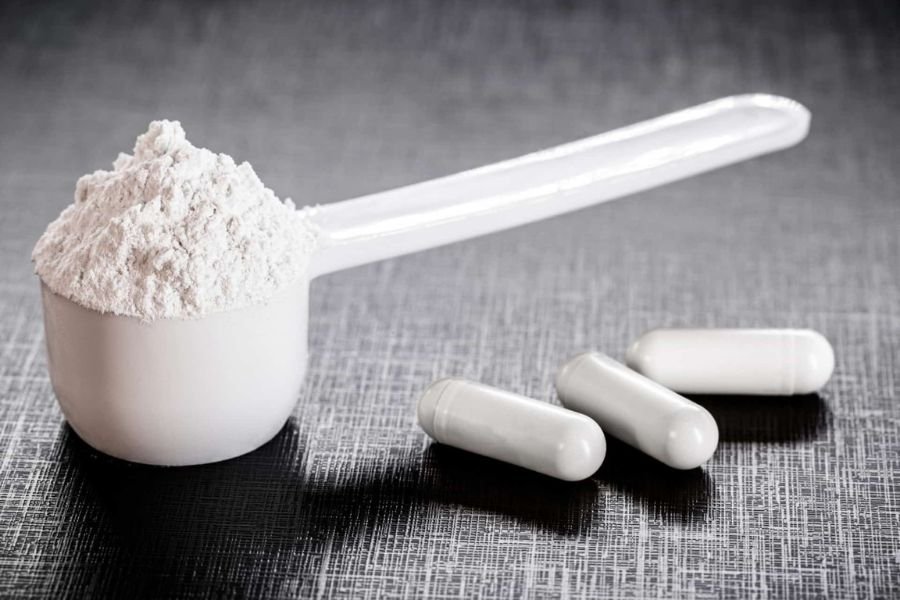
Decades of research point to one standout form: creatine monohydrate.
Experts consistently describe creatine monohydrate as the most studied and effective form of creatine, and no alternative forms have convincingly outperformed it in absorption or results (Forbes, Cleveland Clinic).
Look for:
- “Creatine monohydrate” on the label
- Third party certifications such as NSF Certified for Sport or Informed Choice to confirm purity and safety (UCLA Health)
Some products are formulated specifically for women, such as blends that include folate, dandelion extract, D mannose, and cranberry extract to support areas like cell growth, immune health, and urinary tract health. These extras can be useful if they align with your needs, but they are not required for creatine to work (Forbes).
Find your ideal dose
Research based guidelines for women usually land between 3 and 5 grams of creatine monohydrate per day:
- UCLA Health suggests a daily dose of 3 to 5 grams, without a mandatory loading phase (UCLA Health).
- Midi Health recommends 3 grams per day for women over 40, with the option to increase to 4 or 5 grams, taken consistently at any time of day. They note that loading 20 grams per day for a week is unnecessary and more likely to cause bloating or GI discomfort (Midi Health).
- TārāMD describes starting at 5 grams per day without a loading phase as effective and often better tolerated, with minimal side effects that usually subside within 1 to 2 weeks (TārāMD).
There is no single “perfect” dose for all women, but most will land comfortably in the 3 to 5 gram per day range.
You can start at the low end, 3 grams, see how you feel for a couple of weeks, then adjust if needed.
When and how to take it
You do not have to be overly precise with timing. Creatine works by saturating your muscles over time, not by creating a short term spike. You can take it:
- With breakfast
- Before or after your workout
- Mixed into a smoothie, yogurt, or a glass of water
Consistency matters more than the exact time of day. Some women prefer to take it with food to reduce any chance of stomach upset.
Pair it with smart training and recovery
Creatine is not magic on its own. To get the most out of it, focus on:
- Regular resistance exercise such as lifting weights or bodyweight strength training
- Adequate daily protein intake for your body size and activity level
- At least 7 hours of sleep per night to support recovery
Research in midlife women shows that combining creatine with regular resistance training enhances functional strength and lean mass, especially when you also pay attention to nutrition and rest (Midi Health).
When to talk to your doctor first
Even though creatine is generally safe, there are times when you should involve your healthcare provider before starting:
- You have kidney disease or reduced kidney function
- You take medications that affect kidney function or fluid balance
- You are pregnant, breastfeeding, or trying to conceive
- You have a complex medical history or multiple chronic conditions
Women with kidney disease or on kidney impacting medications are specifically advised to seek medical guidance before supplementing (UCLA Health, Cleveland Clinic).
Bringing a short list of your current medications and supplements to this conversation can help your provider give clear, personalized advice.
Putting it all together
Creatine supplements for women are both safe and effective for most healthy adults when you:
- Choose a well studied form such as creatine monohydrate
- Use a moderate daily dose of about 3 to 5 grams
- Stay consistent and pair it with strength training, balanced nutrition, and recovery
- Check with your doctor if you have kidney issues, are pregnant, or take relevant medications
From improved strength and muscle maintenance to potential benefits for mood, cognition, and healthy aging, creatine offers more than its old gym bro reputation suggests.
If you are curious, you might start with a small daily dose, pay attention to how your body responds over 4 to 8 weeks, and decide from there whether creatine deserves a permanent place in your routine.
About The Author