Make Your Routine Stronger with Walking Workouts with Weights
Walking workouts with weights can turn a simple stroll into a strength building, calorie burning session without asking you to live at the gym. By adding smart resistance, you increase intensity, challenge more muscles, and get more out of time you already spend walking.
Below, you will learn which types of weights are worth using, how to add them safely, and simple routines you can start this week.
Understand walking workouts with weights
Walking workouts with weights involve holding or wearing added resistance while you walk. This can mean light dumbbells in your hands, a snug weighted vest, or small ankle weights for very specific strength moves. The goal is to gently increase the effort your body has to make without sacrificing good form.
You still get all the benefits of regular walking, such as better cardiovascular health and improved mood. The extra weight helps your muscles and heart work a bit harder, which can support weight loss, strength, and endurance when you use it correctly (MasterClass).
Compare your weight options
Not all weights work the same way in walking workouts with weights. Some are better for targeted strengthening. Others are better for cardio and overall conditioning.
Here is a simple comparison to help you choose:
| Weight type | Best use during walking | Main benefits | Key cautions |
|---|---|---|---|
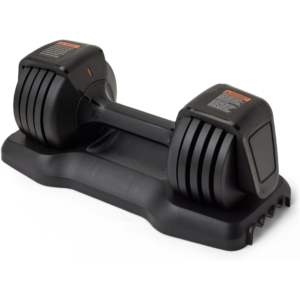
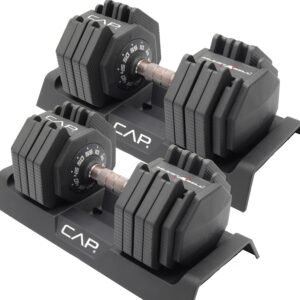
| Hand weights / dumbbells | Short outdoor walks, intervals off the treadmill | Upper body engagement, slightly higher calorie burn | Avoid on treadmills, keep weights light to protect shoulders and elbows (Peloton, Healthline) |
| Weighted vests | Most walking workouts, indoors or outdoors | Even weight distribution, higher intensity with less joint strain | Keep weight under 5 to 10 percent of body weight, avoid if you have back or neck issues (Harvard Health Publishing, UCLA Health, Healthline) |
| Ankle weights | Stationary leg exercises, not regular walking | Targeted leg and hip strength | Can cause muscle imbalances and stress knees, hips, and back if worn for walking or cardio (Harvard Health Publishing, Healthline) |
| Wrist weights | Short strength bursts off the walk | Small boost to arm work | Swinging arms with wrist weights during cardio can irritate joints and tendons (Harvard Health Publishing) |
In most cases, a light weighted vest or small hand weights are your safest and most useful choices for walking.
Weigh the real benefits
Adding weights to your walks will not magically transform walking into heavy strength training, but it does offer clear advantages when done correctly.
Slightly higher calorie burn
Extra weight means your body must use more energy with every step. For example, one study found that wearing a vest equal to 15 percent of body weight increased calorie burn from 5.7 to 6.3 calories per minute on a treadmill. That is a bump, but not a dramatic one (Healthline).
Over time, those small increases add up, especially if you walk regularly for 20 to 40 minutes.
More challenge for your muscles
Walking workouts with weights recruit more muscles than walking alone. A weighted vest keeps the load close to your center of gravity, which increases total body effort without drastically changing your stride (Healthline).
Hand weights can engage your shoulders, arms, and upper back when you add simple movements like curls or overhead presses during short intervals (Peloton).
Exercise science experts still point out that walking, even with a weighted vest, does not load your muscles enough to produce big strength or muscle size gains. Traditional resistance training that moves joints through a full range of motion is still more effective for that goal (NPR). Think of walking with weights as a complement to, not a replacement for, strength training.
Better cardiovascular challenge and endurance
When you increase walking intensity with weights, you make your heart and lungs work a little harder. A 4 week plan that combines walking and weight lifting has been shown to improve cardiovascular fitness while also building muscle for a wide range of fitness levels (Men’s Health UK).
Adding a weighted vest or backpack has also been linked to improvements in lower body muscle power and functional ability of around 10 percent as heart rate and effort increase (Men’s Health UK).
Know the limits and risks
There is a lot of hype around walking workouts with weights, especially weighted vests. It helps to understand what they can realistically do and where to be careful.
Current research does not show big improvements in bone health or muscle strength from walking with a vest compared with walking without one (NPR). Experts note that walking simply does not generate enough load on bones and muscles to replace traditional strength and impact exercises.
Weighted vests can increase cardiovascular effort and calorie burn because your body has to move more total weight. For some people, that added challenge is enough to make walks feel more engaging and rewarding, which can help with consistency (NPR). However, medical specialists still recommend standard weight bearing and resistance exercises as your main tools for bone and muscle health, especially if you are menopausal or postmenopausal (NPR).
Ankle and wrist weights bring their own concerns. Wearing ankle weights during walking or aerobics can overwork the quadriceps while underworking the hamstrings. This creates muscle imbalances and raises the risk of tendon or ligament injuries around the knees, hips, and back (Harvard Health Publishing). Wrist weights used while swinging your arms for cardio can irritate the wrists, elbows, shoulders, and neck (Harvard Health Publishing).
Weighted backpacks also need caution. Carrying 5 to 15 pounds only on your back can strain your lower spine and joints if you lean forward or overload yourself (Healthline).
Use ankle and wrist weights the smart way
Instead of wearing ankle weights for the full walk, you can save them for short, focused strength segments. They can be very effective when you use them for specific leg and hip exercises such as:
- Standing leg lifts
- Side leg lifts
- Donkey kicks
- Straight leg raises
The added load increases the work your muscles must do against gravity, so these moves can improve strength in the hips and legs (Harvard Health Publishing).
If you choose to use ankle weights, keep them at 5 pounds or less. At that level, they can help strengthen your calves, quadriceps, and hip flexors, and they also challenge your core muscles. Even at lower weights, they may put additional pressure on the knees and aggravate joint issues or arthritis, so pay close attention to how your body feels (Healthline).
Wrist weights are best reserved for slow, controlled standing arm exercises where you are not swinging your arms quickly. Avoid using them in high speed cardio where momentum takes over and the risk to joints goes up (Harvard Health Publishing).
Choose and use a weighted vest safely
If you want one single tool to make walking workouts with weights more effective, a vest is usually the best bet. It keeps weight near your body’s center of gravity, spreads the load evenly around your torso, and puts less stress on individual joints compared with hand or ankle weights (Healthline, UCLA Health).
To stay safe and comfortable:
- Start with a vest that is about 5 percent of your body weight. For example, if you weigh 150 pounds, start with around 7.5 pounds (UCLA Health).
- Gradually progress toward 5 to 10 percent of your body weight if your joints feel good and your form stays solid (Harvard Health Publishing, Healthline).
- Avoid very heavy vests, such as 25 to 50 pounds, since they can significantly raise the risk of injury (Healthline).
- Make sure the vest fits snugly so it does not bounce or shift and throw off your posture.
Weighted vests are often safer than weighted backpacks because they keep your center of gravity more natural. Backpacks concentrate weight behind you, which encourages you to lean forward and strain the lower back. Vests, by comparison, wrap weight around the torso so you can remain upright and balanced (UCLA Health).
A sports medicine orthopedic surgeon at UCLA Health notes that walking with a vest can build more strength and endurance than walking alone as long as you build up slowly and listen to your body (UCLA Health).
If you have back or neck problems, such as spinal stenosis, disc degeneration, or arthritis in your hips, knees, or ankles, talk with your doctor before you start. In some cases, the extra load on your spine and joints can worsen pain or symptoms (Harvard Health Publishing, UCLA Health).
Build a beginner friendly walking with weights routine
You can start walking workouts with weights even if you are new to exercise. The key is to keep the load light, focus on form, and give your body time to adapt.
Step 1: Warm up
Begin every session with 3 to 5 minutes of easy walking. Gradually increase your speed until you feel comfortably warm. Add a few gentle ankle circles and shoulder rolls to get your joints ready.
Step 2: Pick your weight style
For beginners, two options tend to work well:
- A light weighted vest in the 5 to 8 pound range
- Hand weights in the 1 to 3 pound range
MasterClass suggests that beginners start walking 2 to 3 days per week for 15 to 20 minutes, using relatively light weights and supportive footwear that offers flexibility, durability, and stability (MasterClass).
Step 3: Try this sample 20 minute routine
- Walk 5 minutes at an easy to moderate pace while wearing your vest or carrying light weights.
- For the next 10 minutes, alternate 1 minute of brisk walking with 1 minute of normal pace. If you are using hand weights, during every second minute, perform gentle biceps curls or front raises while you walk. Keep movements controlled and avoid swinging.
- Finish with 5 minutes at a relaxed pace to cool down.
If you do not have dumbbells, you can use water bottles or soup cans for the arm segments. This simple swap makes strength moves more accessible, especially if you are working out at home (TODAY).
Step 4: Progress gradually
Over time, you can increase:
- Total walking time, for example from 20 to 30 minutes
- The number of brisk intervals
- The weight of your vest or hand weights, once the current load feels easy and your form remains strong
Give yourself 24 to 48 hours before training the same muscle groups again so they have time to recover, especially when you are new to resistance work (MasterClass).
Combine walking with traditional strength training
To lose weight and improve your health, pairing walking workouts with weights and basic strength training is a powerful approach. A 31 day walking and strength plan from TODAY uses walking workouts along with full body exercises like squats, lunges, biceps curls, and overhead presses. These are performed in several rounds of 10 repetitions and target all major muscle groups, which builds muscle endurance in beginners (TODAY).
Men’s Health UK describes a 4 week plan that mixes walking with weighted strength moves such as goblet squats, dumbbell Romanian deadlifts, single arm rows, and step ups. This combination supports both cardio fitness and noticeable strength and muscle gains without needing high impact exercises (Men’s Health UK).
You do not have to copy those programs exactly to benefit. You can:
- Walk most days of the week, aiming for at least 7,000 to 8,000 steps for health, as many studies suggest that this range is linked with lower mortality risk (Men’s Health UK).
- Add 2 or 3 short strength sessions per week, using bodyweight or dumbbells.
- Use a weighted vest or light dumbbells on 1 or 2 of your weekly walks for extra challenge once regular walking feels easy.
Stay safe and know when to stop
Any time you add load to your body, safety comes first. A few simple rules make walking workouts with weights much safer and more effective:
- Start light. For hand or ankle weights, stay in the 1 to 3 pound range at first (Peloton, MasterClass). For vests, begin at about 5 percent of your body weight (UCLA Health).
- Avoid using hand weights on a treadmill. They increase the risk of tripping and can strain your joints if you lose balance (Peloton).
- Secure ankle weights firmly so they do not slide or twist, and use them for targeted exercises rather than long walks (Peloton).
- Focus on posture. Stand tall, engage your core, and keep your gaze forward to reduce strain on your back and neck.
- Stop right away if you feel sharp pain, tingling, or joint discomfort. Mild muscle fatigue is normal, but pain is a sign to dial things back (MasterClass).
- Talk with your doctor before you start if you have heart issues, joint problems, back or neck pain, or other health concerns (MasterClass, UCLA Health).
Walking with weights can amplify the benefits you already get from regular walks. With thoughtful choices and gradual progress, you can make each step work a bit harder for your health without turning your routine into something complicated or intimidating.
Try one small change this week, such as adding a very light vest to one of your walks or finishing with a 5 minute ankle weight strength circuit at home. Pay attention to how your body responds, then build from there.
About The Author