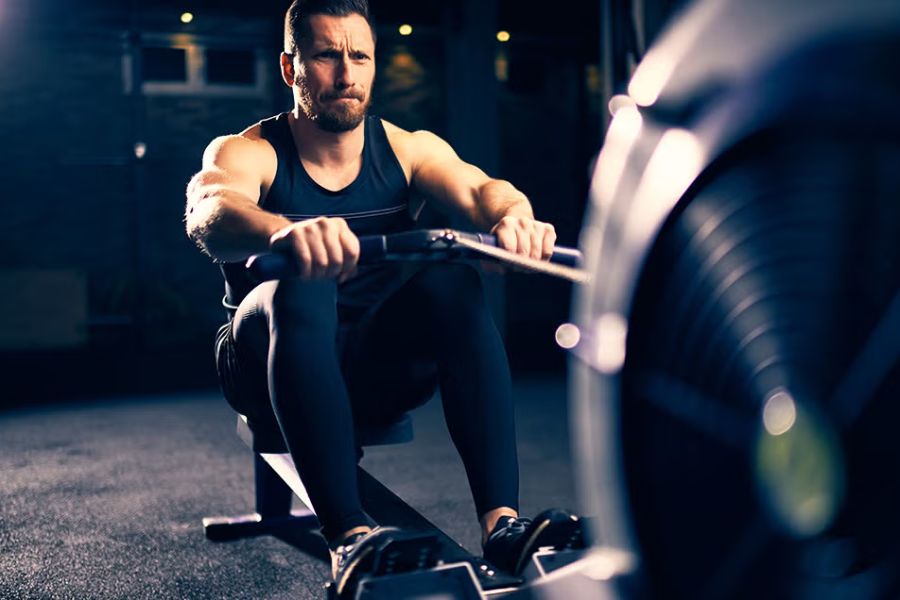
Effective Rowing Workouts for Fat Loss You Can Try Now
Rowing workouts for fat loss can be a powerful way to reach your fitness goals while keeping things fun and engaging. Whether you want to trim down, build endurance, or simply switch up your usual cardio sessions, rowing delivers a potent full-body challenge. Below, you will find various tips on technique, workout structure, and progress tracking so you can row your way toward a leaner physique.
Discover rowing’s unique benefits
Rowing isn’t just about arm strength. With every stroke, your legs, back, and core all have roles to play. This combined effort burns a high number of calories, which supports fat loss when paired with a sensible eating plan. Since you sit during the exercise, it also places less impact on your joints compared to running or high-impact aerobics.
As an extra perk, rowing targets your back and shoulders in ways that many popular cardio workouts do not. By regularly incorporating rowing into your routine, you can enhance posture, build stamina, and strengthen your upper body. This mix of muscle engagement and calorie-burning potential is what makes rowing workouts for fat loss so effective.
Set up your rower correctly
Before you get started, make sure your rowing machine is adjusted for your body. Seat height, footplate settings, and the drag factor (if your machine has one) can all affect your comfort and efficiency.
In general, you want your feet set securely so they won’t slip during each stroke. Straps around the midfoot usually offer enough support. If you have an adjustable damper or drag factor, aim for a middle setting to balance resistance and speed. This helps you find a smooth stroke rhythm without overwhelming your muscles.
Focus on proper stroke technique
Dialing in proper technique is essential to get the most out of your rowing workouts and avoid potential injuries. A good stroke begins with your legs, transitions through your core, and then pulls with your arms. Finally, you reverse that sequence on the way back to starting position.
Below is a quick breakdown of key phases in the rowing stroke:
- Catch: Bend your knees until your shins are nearly vertical and your arms extend forward.
- Drive: Press through your heels to straighten your legs, then hinge your hips backward, and pull the handle toward your chest.
- Finish: Straighten your legs fully, lean back slightly, and complete a smooth pull with your arms.
- Recovery: Let your arms extend first, then hinge forward at the hips, and bend your knees until you return to the catch position.
Working on this sequence helps you activate different muscle groups efficiently. Focus on a steady flow so the stroke feels fluid rather than jerky. When you master each portion of the stroke, you can row faster and longer, which ultimately aids in burning more fat.
Use interval training for fat loss
Interval workouts involve alternating between intense efforts and short recovery periods. They spike your heart rate quickly, challenge your muscles, and help you burn a high number of calories in less time. If you’re new to interval training on a rower, start with shorter bursts of effort and longer recovery segments.
For instance, row hard for 20 seconds, then row slowly for 40 seconds to catch your breath. Repeat for eight rounds. As your endurance grows, you can extend the intense intervals and shorten recovery durations. This method keeps your body guessing and promotes greater fat-burning potential.
Consider rotating your interval patterns periodically. You could do a 30-seconds-on, 30-seconds-off approach one day, then switch to 1-minute-on, 1-minute-off the next time. This variety engages your muscles in new ways so your body doesn’t become too accustomed to any single pattern.
Try steady-state sessions for endurance
Steady-state rowing means maintaining a moderate, consistent pace for a set timeframe or distance. While intervals encourage rapid calorie burn, longer steady-state sessions also have their place in rowing workouts for fat loss. These sessions help train your aerobic system, improve stamina, and increase your overall calorie burn.
Start with 15 to 20 minutes of continuous rowing at a comfortable pace. During this time, focus on form and breathing. If 15 minutes feels too easy, gradually add more time. Combining shorter interval workouts with these moderate, steady sessions balances intensity and endurance, giving you the best of both worlds.
Combine rowing with strength work
You can amplify fat loss by mixing your rowing workouts with basic strength training routines. Building muscle boosts your metabolism and supports a more toned physique. For example, you might alternate between rowing intervals and bodyweight exercises like squats, push-ups, or planks.
A circuit session could look like this:
• Row for 2 minutes at a moderate pace.
• Perform 10 to 15 squats.
• Row for 1 minute at a high-intensity sprint.
• Perform 10 push-ups.
• Rest briefly and repeat for four or five rounds.
This combo increases your overall workout intensity, targets multiple muscle groups, and keeps your heart rate elevated. As you advance, try adding resistance bands or dumbbells to make your strength exercises even more challenging.
Track progress for lasting results
To keep moving forward, it’s smart to monitor your improvements. Most indoor rowers display stats like split time (time per 500 meters), distance covered, and stroke rate. Consider logging these details in a workout journal or an app. By comparing your current performances against past sessions, you’ll see how your endurance and fat-burning capacity improve over weeks and months.
Beyond numbers, pay attention to how you feel physically. Notice if your stroke becomes smoother or if you recover faster. These subtle cues can be just as meaningful as seeing a lower split time or covering more distance.
A final tip: Don’t forget the importance of recovery. Stretching your legs, hips, and lower back after rowing preserves flexibility and reduces risk of overuse injuries. Combine your workouts with adequate sleep and balanced nutrition so you can confidently continue rowing for fat loss without burning out.
Key takeaways
• Rowing is a low-impact, high-calorie-burning exercise that engages your legs, core, and upper body.
• Proper setup and technique ensure effective workouts and reduce injury risks.
• Interval training spikes your heart rate and maximizes calorie burn in short bursts.
• Steady-state rowing builds endurance and complements intense intervals.
• Adding strength exercises supercharges your routine and supports long-term fat loss.
• Tracking performance keeps you motivated and highlights consistent gains.
Try a brief rowing session this week to see how you like it, and then build from there. With the right balance of intervals, steady efforts, and mindful technique, you’ll be well on your way to reaping all the fat-burning rewards that rowing has to offer.
About The Author


