The Truth About the Carnivore Diet for Your Health Goals
A carnivore diet can sound almost too simple. You eat meat, eggs, and a bit of dairy, and you cut everything else, including fruits, vegetables, grains, and legumes. If your main goal is weight loss or better health, you might wonder whether this extreme low carb approach is the shortcut you have been looking for or a health problem in disguise.
Below, you will see what the carnivore diet actually involves, how it compares to more balanced ways of eating, what the science and major medical organizations say, and how to think about it realistically for your own goals.
Understand what the carnivore diet really is
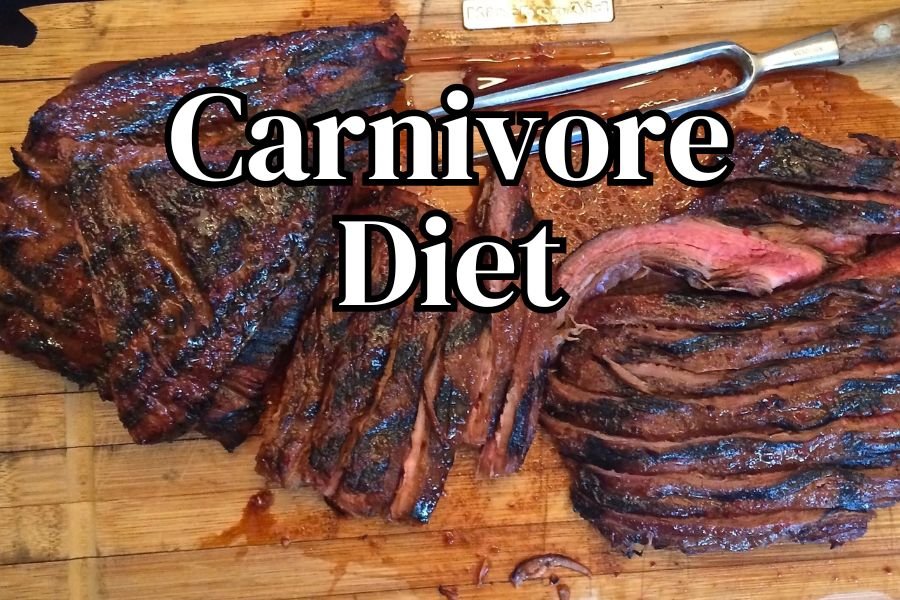
On a true carnivore diet, your plate is almost entirely animal products. That typically means:
- Beef, pork, lamb, and other red meats
- Poultry like chicken and turkey
- Fish and seafood
- Eggs
- Some cheeses, butter, and heavy cream if you tolerate dairy
- Water as your main drink
You cut all plant foods, including: fruits, vegetables, whole grains, beans and lentils, nuts, seeds, and even herbs and spices in their usual amounts. That is why it is sometimes called a “zero carb” diet. There are no official portions or calorie limits. Instead, you are told to eat until you are full from these animal foods only (Healthline, Harvard Health Publishing).
Nutritionally, most carnivore-style plans end up around 60 to 80 percent of calories from fat and 20 to 40 percent from protein, with carbohydrates usually below 5 percent of your daily energy intake (Nutrients via PubMed Central). This makes it even more restrictive than a typical ketogenic diet, which usually allows a small amount of non starchy vegetables or up to about 50 grams of carbs per day (Baylor Scott & White Health).
Why people try the carnivore diet
If you are curious about the carnivore diet, you are not alone. A few common reasons draw people in.
Simple rules and fast decisions
You might feel overwhelmed by counting calories, weighing food, or trying to balance macros. The carnivore diet appeals because it strips away complexity. You do not measure much, you mostly just ask, “Is it an animal food or not?” For some people, that simplicity feels freeing, especially after years of on and off dieting.
Weight loss hopes
High protein and fat can keep you full for a long time, which often leads to eating fewer calories without trying. That alone can drive weight loss, whether or not carbs are present in your diet (Healthline). Survey data of people who follow the carnivore diet for several months has shown self reported drops in body mass index and perceived health improvements, although those reports were not checked against medical records and skipped people who quit the diet due to problems (Center for Nutrition Studies).
In other words, you can lose weight on carnivore, but the data is limited and not very rigorous.
Hopes for less inflammation and better blood sugar
Supporters of the carnivore diet often claim:
- Lower inflammation
- Fewer migraines and joint pains
- Better blood sugar control
- Improved mental clarity and energy
Some small surveys even report people with diabetes needing less medication on this style of eating (WebMD). However, these results are self reported and not backed by controlled trials. Major health organizations repeatedly note that high quality research on the carnivore diet simply does not exist yet, so you are mostly hearing individual stories, not proven cause and effect (Cleveland Clinic, Healthline).
What major health experts actually say
If you want the truth about the carnivore diet, it helps to look at what large, trusted health organizations and dietitians conclude when they review the evidence.
Registered dietitians from the Cleveland Clinic point out that a carnivore diet removes entire food groups that are usually considered essential for long term health, such as fruits, vegetables, whole grains, legumes, and nuts (Cleveland Clinic). They note that:
Different food groups provide different vitamins, minerals, and protective plant compounds, so cutting them all out increases the risk of deficiencies and chronic disease over time.
The British Heart Foundation goes further, describing the carnivore diet as extremely high in saturated fat and protein but very low in fiber, which together can raise non HDL cholesterol, blood pressure, and the risk of coronary heart disease, heart attack, and stroke (British Heart Foundation).
Harvard Health Publishing also warns that this pattern tends to raise LDL or “bad” cholesterol and may increase your risk of kidney stones, gout, osteoporosis, and impaired kidney function if followed long term (Harvard Health Publishing).
Overall, large medical groups and dietitians do not recommend the carnivore diet as a safe long term approach for weight loss or health. Instead, they tend to recommend balanced eating patterns that still allow some carbs, such as Mediterranean style or varied whole food diets (Cleveland Clinic, Baylor Scott & White Health).
Short term effects you might notice
If you start a strict carnivore diet, your body will likely react quickly, especially in the first few weeks.
Weight changes
If you were eating a high calorie, high sugar, or highly processed diet before, you are likely to see rapid weight loss at first. Several things can contribute:
- You cut out a lot of calorie dense foods automatically.
- You lose water weight as your carb intake drops and your body uses up stored glycogen.
- High protein intake can reduce your appetite, so you may naturally eat fewer total calories (Healthline).
This early weight loss can be motivating, but it does not necessarily mean the diet is healthy or sustainable for you in the long run.
Digestive shifts
Without plant foods, your fiber intake drops to almost zero. Fiber only comes from plants, and it plays a major role in:
- Keeping your bowels regular
- Feeding the beneficial bacteria in your gut
- Helping lower bad cholesterol
- Reducing risk of heart and circulatory disease (British Heart Foundation)
On a carnivore diet, you might experience constipation, hard stools, or other digestive discomfort. Some people have the opposite problem and develop loose stools or diarrhea, especially early on, as their body adjusts to a very high fat intake.
Energy and cravings
You may feel a short burst of mental clarity or reduced sugar cravings because you removed refined carbs and processed foods. You might also go through a “low carb flu” phase with fatigue, headaches, or irritability as your body shifts toward burning fat and ketones instead of carbohydrates (Harvard Health Publishing).
Whether those initial benefits last can depend on your overall health, your previous eating habits, and how strictly you follow the plan.
Long term risks you need to know
Where the carnivore diet starts to look truly risky is not in the first few weeks, but in what can happen if you stay on it for months or years.
Nutrient gaps and deficiencies
A detailed analysis of several carnivore style meal plans for adults in Australia and New Zealand found that this way of eating could meet some nutrient targets, especially for B vitamins like riboflavin, niacin, and B12, as well as zinc and selenium. However, it fell short in important areas, including:
- Thiamin (vitamin B1)
- Folate
- Vitamin C
- Magnesium
- Calcium
- Potassium
- Dietary fiber, which was far below recommendations (Nutrients via PubMed Central)
Those gaps matter for your energy production, immune system, bone health, blood pressure regulation, and your risk of chronic disease. The researchers noted that adding organ meats like liver and some dairy products could improve some of these nutrients, but even then, sodium intake in their sample meal plans was 15 to 20 times higher than recommended while key minerals like calcium, magnesium, and potassium were still often low (Nutrients via PubMed Central).
Experts from the Cleveland Clinic, British Heart Foundation, and WebMD also emphasize that removing fruits, vegetables, and whole grains can leave you short on:
- Fiber
- Potassium
- Vitamins A and C
- Folate
- Protective plant compounds like antioxidants and phytonutrients that help reduce inflammation and lower the risk of cancer, heart disease, and type 2 diabetes (Cleveland Clinic, British Heart Foundation, WebMD).
Heart and circulation concerns
When you rely so heavily on meat, especially red and processed meats, you increase your intake of:
- Saturated fat
- Dietary cholesterol
- Sodium, especially from processed meats like bacon, sausages, and deli cuts
The British Heart Foundation explains that this combination can raise non HDL cholesterol and blood pressure, which in turn increase your chances of coronary heart disease, heart attack, and stroke (British Heart Foundation).
Harvard Health Publishing notes that saturated fat from animal sources is widely considered one of the least healthy types of fat and that carnivore style eating is likely to raise LDL cholesterol levels for many people (Harvard Health Publishing).
If you already have high cholesterol, high blood pressure, diabetes, kidney disease, or a family history of heart problems, this is especially important to keep in mind.
Gut health and cancer risk
Your gut bacteria thrive on fiber and plant compounds. These help produce short chain fatty acids that support your colon cells, lower inflammation, and protect against colorectal cancer and other diseases.
On a carnivore diet, your fiber intake is essentially zero, which can:
- Disturb your gut microbiome
- Increase constipation or digestive upset
- Potentially raise your risk of colon cancer over time, especially when combined with processed and red meats (British Heart Foundation, Healthline)
Healthline and other sources also raise concerns about higher risks for kidney disease, certain cancers, and metabolic strain from very high protein and sodium intake in susceptible people (Healthline, Harvard Health Publishing).
What the science does and does not tell you
One of the biggest truths about the carnivore diet is simply this: the research is thin.
The Center for Nutrition Studies notes that “carnivore diet” as a term barely appeared in scientific paper titles before 2020 and that most evidence you see comes from:
- Individual case reports
- Small self selected surveys
- Historical examples, such as Arctic explorers who ate mostly animal foods (Center for Nutrition Studies)
That does not mean nobody ever feels better on the diet. It means you cannot confidently say that the diet itself is responsible, that it is safe for most people, or that any benefits outweigh the risks.
At the same time, there are decades of observational studies and clinical research linking high intakes of red and processed meat and low intakes of plant foods with higher risks of heart disease, cancer, and early death. The carnivore diet largely brushes that body of evidence aside (Center for Nutrition Studies).
For your health decisions, that imbalance matters. You have strong data supporting balanced eating patterns with plenty of plants and only anecdotal, short term reports for cutting plants out completely.
Using carnivore insights without going all in
If you are mainly interested in losing weight and improving your health, you do not have to go fully carnivore to borrow some helpful ideas.
You might:
- Increase your protein intake with lean meats, fish, eggs, or plant proteins to feel fuller between meals.
- Cut back on ultra processed foods, sugary drinks, candy, and refined snacks that add calories without many nutrients.
- Lower your intake of white bread, pastries, and other simple carbs while still enjoying fiber rich carbs like beans, oats, quinoa, and vegetables.
- Add more non starchy vegetables and fruits, which give you fiber and antioxidants that protect your heart and gut.
Most dietitians suggest this kind of balanced, whole food approach instead of extreme plans like the carnivore diet, especially for long term health and easier day to day living (Cleveland Clinic, Inspira Health Network).
If you still feel drawn to try a carnivore style phase because you are curious about how you will feel, talk with a doctor or registered dietitian first. That is particularly important if you:
- Have heart disease, high cholesterol, or high blood pressure
- Have diabetes or kidney disease
- Are pregnant or breastfeeding
- Have a history of eating disorders or very restrictive dieting (Inspira Health Network, Healthline)
A professional can help you set up safer guardrails, plan labs to monitor your health, and decide whether more gradual, balanced changes might fit your life better.
Key points to remember
To make sense of the conflicting messages around the carnivore diet, keep these takeaways in mind:
- The carnivore diet focuses only on animal products and nearly eliminates carbohydrates, including fruits, vegetables, grains, and legumes.
- You can lose weight on this plan, mainly because you cut out many high calorie and ultra processed foods and feel fuller from higher protein and fat.
- Large health organizations warn about serious long term risks, including nutrient deficiencies, lack of fiber, higher LDL cholesterol, blood pressure issues, and possible increases in heart disease and cancer risk.
- High quality scientific studies on the carnivore diet are extremely limited. Most claims you hear are based on anecdotes or small surveys without medical verification.
- You can use some of the same ideas, such as eating more protein and fewer refined carbs, within a balanced eating pattern that still includes plants and is much safer and more sustainable.
If your goal is to lose weight and feel healthier, the best “diet” is usually one you can imagine enjoying a year from now, not just one that promises the fastest week one results. Use what you now know about the carnivore diet to ask better questions, and consider working with a qualified professional to design an approach that supports both your short term goals and your long term health.
About The Author