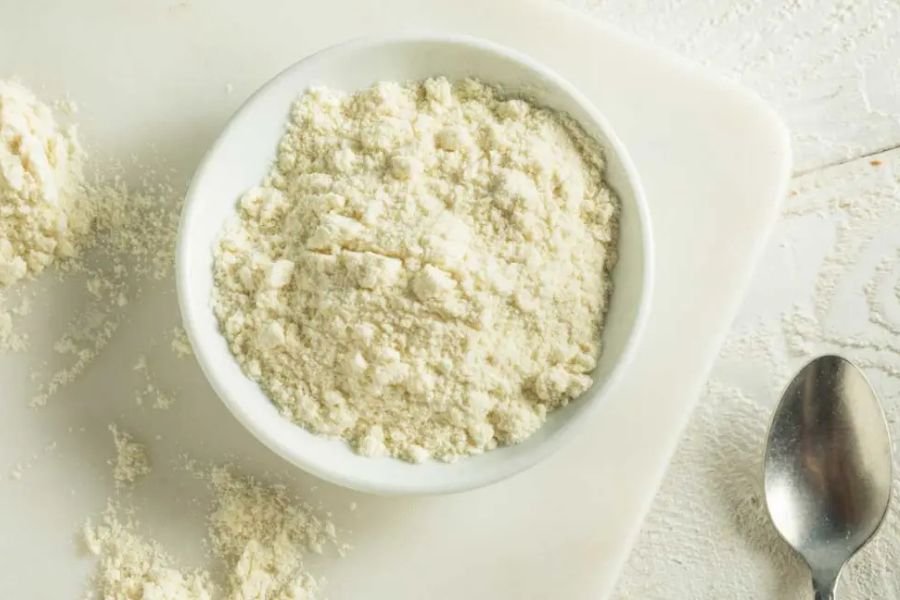
Whey Protein Powder vs Plant Protein
Whey protein vs plant protein is one of the biggest debates in the supplement aisle. Both options can help you hit your protein goals, build muscle, and support recovery, but they are not identical. The right choice for you depends on your body, your goals, and your values.
Below, you will learn how whey and plant protein powders compare so you can pick the one that fits your routine instead of guessing based on the label.
Understand the basics of whey and plant protein
Whey protein powder comes from cow’s milk. During cheese making, whey is the liquid that separates from the curds, and manufacturers then filter, dry, and flavor it to create powder. Because it is dairy based, whey naturally contains lactose and all nine essential amino acids, including a high amount of muscle building BCAAs like leucine (Healthline).
Plant protein powders come from sources such as pea, brown rice, soy, and hemp. These are typically lactose free and suitable if you follow a vegan diet or simply prefer to avoid dairy (Healthline). Most single plant proteins are not complete on their own, but blends that combine different sources can deliver a full amino acid profile.
In practice, a scoop of either whey or plant protein usually gives you around 20 to 30 grams of protein, so on paper they look very similar (Healthline). The real differences start to show when you look at amino acid quality, digestion, and how each one feels in your body.
Compare the nutrition and amino acids
When you think about whey protein vs plant protein for muscle growth, amino acids are where whey has a natural edge.
Whey is a complete protein, which means it contains all nine essential amino acids in the right balance for your body. It scores close to 1.0 on the Protein Digestibility Corrected Amino Acid Score (PDCAAS), which indicates very high digestibility and quality (LiveMomentous). It is also rich in leucine, the BCAA that flips the switch on muscle protein synthesis, which is why whey is a long time favorite after workouts (Medical News Today).
Most plant proteins, like pea or rice, are lower in one or more essential amino acids such as methionine or lysine, which can reduce overall protein synthesis if you rely on them alone (PubMed). However, when you combine complementary plants, for example pea plus rice, their amino acid profiles fill in each other’s gaps and you end up with a complete protein that supports muscle gain effectively (LiveMomentous).
Soy is the main exception on the plant side, because it is a complete protein on its own and can match whey for total essential amino acids per serving (Healthline). Blended plant formulas that add BCAAs or use multiple sources also narrow the gap.
In short, if you want the simplest path to a complete protein with high leucine in one scoop, whey still wins. If you prefer plants, look for blends, not single ingredient powders, and check that the protein content per serving is at least 20 grams.
Look at digestion, allergies, and side effects
How your body feels after a shake matters as much as what is on the label. Digestion is a key difference in the whey protein vs plant protein decision.
Since whey protein is made from milk, it naturally contains lactose. If you are lactose intolerant, whey concentrate can cause gas, bloating, or cramps. Whey isolate removes most of the lactose during processing, which helps many people tolerate it better, but it can still cause issues if you have a milk allergy or strong sensitivity (Healthline, Cleveland Clinic).
Plant protein powders skip dairy entirely, which makes them appealing if you are lactose intolerant, vegan, or simply feel better with less dairy in your diet (Health). That said, they are not automatically problem free. Some plant powders contain soy or gluten, which are common allergens, and pea based blends can cause bloating or cramping for people with irritable bowel syndrome or FODMAP sensitivities (Healthline).
There is another layer to consider if you have long term health concerns. Excessive whey intake, especially if you are not very active, has been linked to possible microbiome changes, acne, and strain on your kidneys or liver over time (Medical News Today). The Cleveland Clinic also notes that your body can only really use about 20 to 40 grams of protein at once, so very high single servings do not give you extra benefits and may just be harder on your system (Cleveland Clinic).
If you choose plant protein, you may notice more fiber compared with whey. That extra fiber can temporarily cause gassiness while your gut adapts, usually within one to two weeks, but it also supports healthier gut bacteria and a stronger microbiome over time (UCLA Health).
Consider performance, weight loss, and health goals
Both whey and plant protein powders can help you build muscle, lose fat, or simply cover your daily protein needs. What changes is how easily they fit into your training style and health priorities.
For muscle and strength, whey isolate is often described as the gold standard because it is complete, high in leucine, and absorbed quickly, which supports rapid muscle repair after resistance training (Healthline, Medical News Today). Its fast digestion makes it ideal right after a workout.
Plant proteins tend to digest more slowly, which can give you a steadier release of amino acids over several hours. When plant blends are matched to whey for total protein and BCAAs, research shows they can be just as effective for muscle hypertrophy as long as you get enough total protein each day (Healthline, LiveMomentous).
If weight loss or body recomposition is your main goal, both whey and plant powders help by boosting satiety and preserving lean muscle while you are in a calorie deficit (Healthline). Plant proteins may offer an extra health edge through reduced intake of saturated fat and potential benefits for cholesterol and cardiovascular risk when they replace some animal proteins in your diet (PubMed, UCLA Health).
You can also think about long term health. Diets that lean more heavily on plant proteins are linked with lower rates of chronic diseases like diabetes and cardiovascular disease, partly because you take in less saturated fat and more fiber and beneficial non essential amino acids such as arginine and glycine (UCLA Health, PubMed).
Factor in taste, texture, and price
If you are going to drink a shake most days, you want one you actually enjoy.
Whey protein usually mixes smoothly with water or milk and has a creamy texture that many people like. Flavor options are broad, from basic vanilla and chocolate to dessert inspired blends. The main drawback is that some people find whey shakes feel heavier, especially if mixed with dairy milk.
Plant proteins have traditionally been grittier with a more earthy taste compared with whey, but this has improved a lot. Suppliers have refined processing methods, so modern pea based powders, for example, are much more neutral and can compete with whey for taste and mouthfeel (Vitaquest). If you tried a plant protein years ago and hated it, new formulas may surprise you.
On pricing, whey and plant based powders are usually in a similar range. Both typically provide 20 to 30 grams of protein per serving, and the main cost differences come from branding, organic certification, and specialty claims like keto or paleo. Some plant options such as hemp protein use larger scoops for the same protein, which means you may go through the tub faster (Healthline).
If you are unsure, you can start with small tubs or sample packs of each type. Pay attention not just to flavor but to how you feel an hour or two afterward.
Quick gut check: if you consistently feel bloated, gassy, or sluggish after a shake, try a different protein source or a smaller serving size before you assume supplements are not for you.
Align your protein choice with your lifestyle
Beyond nutrition, whey protein vs plant protein can also be a lifestyle decision.
If you are vegan or aiming to eat more plant forward, plant based powders make it easier to meet your protein goals without leaning on meat or dairy. In 2020, 28 percent of Americans reported eating more plant protein than the year before, a trend driven by health, ethics, and sustainability concerns (UCLA Health). Plant protein production generally carries a lower environmental footprint than dairy farming as well, which may be important to you (LiveMomentous).
If you have no issues with dairy, want a simple complete protein, and prioritize fast recovery for intense training, whey remains a very efficient choice. It is nutritionally complete, widely available, and supported by a large body of research for muscle protein synthesis and lean mass gains (Medical News Today, Cleveland Clinic).
You also do not have to commit to one side forever. Many people keep both on hand. For example, you might use whey isolate immediately after strength workouts and a higher fiber plant blend for breakfast smoothies on rest days.
Decide what is right for you
To narrow your choice, ask yourself a few practical questions:
- Do you tolerate dairy well, or do you often feel bloated, congested, or uncomfortable after milk products?
- Are you following a vegan or mostly plant based diet, or are you open to animal sourced supplements?
- Is quick post workout recovery your main priority, or are you more focused on overall health, digestion, and long term disease risk?
- How important are taste and texture? Are you willing to experiment a little to find a plant blend you like?
- What does your budget look like, and are you okay paying slightly more for organic or specialty labels if you choose them?
If you want something straightforward and fast acting, a high quality whey isolate with around 20 to 30 grams of protein per scoop is a strong option. If you want to support gut health, cut back on animal products, or align your supplements with a more sustainable lifestyle, look for a blended plant protein with similar protein content and added BCAAs.
Whatever you choose, remember that your total daily protein intake matters more than the logo on the tub. Most active people do best around 1.2 to 1.6 grams of protein per kilogram of body weight per day, which you can reach with food, shakes, or a mix of both (Medical News Today). Once you pick a powder that you digest well and enjoy drinking, you will be far more likely to use it consistently and see the benefits in your energy, recovery, and strength over time.
About The Author





