Whey Protein Powder for Beginners
A little confused about whey protein powder for beginners and whether you actually need it? You are not alone. With so many tubs, flavors, and claims on the market, it can be hard to know what is useful and what is just hype.
This guide walks you through what whey protein is, how it works in your body, potential risks, and how to decide if it fits into your routine. You will find practical, beginner friendly advice so you can make a clear, informed choice instead of guessing in the supplement aisle.
What whey protein powder actually is
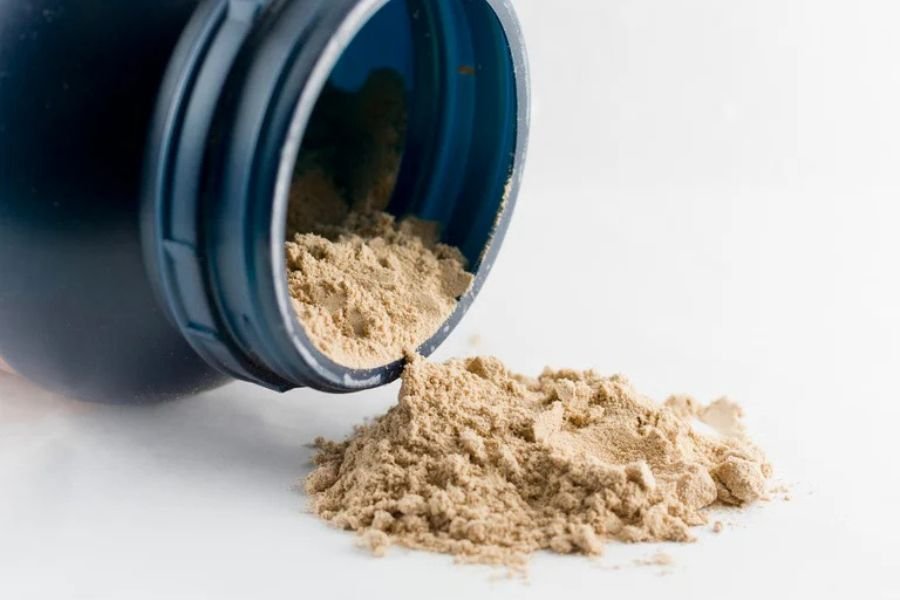
Whey protein is a high quality protein that comes from cow’s milk. When cheese is made, liquid whey is separated from the fat and carbohydrates. That liquid is then processed and dried into a powder so it is easy for you to mix into shakes or recipes for a quick protein boost (MedPark Hospital).
Whey protein powder is considered a complete protein. That means it contains all nine essential amino acids that your body cannot produce on its own, including branched chain amino acids (BCAAs) like leucine, isoleucine, and valine. These are especially important for muscle growth and tissue repair, which is why whey protein is popular with people who exercise regularly (MedPark Hospital).
You will usually find whey protein sold as a flavored powder. You can add it to shakes, smoothies, oatmeal, or even baked goods, which makes it a convenient way to increase your protein intake if you struggle to get enough from food alone (Healthline).
The three main types of whey
Not all whey protein powders are the same. When you flip the tub around, you will usually see one of three types on the label.
Whey protein concentrate (WPC)
Whey protein concentrate is the most common form you will see. It contains protein along with some naturally occurring carbohydrates and fats from milk. It tends to be more affordable and often has a creamier taste and texture, which is why it is frequently recommended as a good starting point for beginners (Healthline).
If you are just getting started and do not have major issues with lactose, a simple whey concentrate is usually enough. It also tends to retain more of the beneficial nutrients from milk (Healthline).
Whey protein isolate (WPI)
Whey protein isolate goes through extra processing to remove more of the carbohydrates and fat. As a result, it has a higher protein percentage per scoop and fewer calories overall. It is usually more expensive than concentrate (Healthline).
Because much of the lactose is removed, whey isolate can be easier to digest for some people who are sensitive to lactose. It is often recommended as the best choice if you want a very pure, low fat, low lactose option that still delivers a concentrated dose of protein for muscle maintenance and recovery (Unjury).
Whey protein hydrolysate
Whey protein hydrolysate is whey that has been partially broken down, or pre digested, so your body can absorb it more quickly. This form is usually the easiest to digest and is often used in medical or specialized nutrition products, including formulas for people who have difficulty digesting other proteins (MedPark Hospital).
For most beginners, hydrolysate is not necessary and it is often the most expensive option. However, if you have specific digestive issues or medical needs, your healthcare provider may recommend a hydrolyzed whey because it tends to be gentler on your system (Unjury).
Why beginners use whey protein
You might be wondering if whey protein powder for beginners is really worth the attention it gets. There are several reasons it is popular, especially if you are starting to exercise more or want to improve your nutrition.
Whey protein supports muscle repair and growth due to its rich content of essential amino acids and BCAAs. When you work out, particularly with resistance training like weights or bodyweight exercises, you create tiny tears in your muscle fibers. Protein provides the building blocks your body uses to repair those fibers and build them back stronger. Whey protein taken around workout times has been shown to help with strength gains, muscle hypertrophy, and overall body composition improvements when combined with resistance exercise (WebMD, Healthline).
It can also help with recovery. Even relatively small amounts of whey protein with carbohydrates after a workout can stimulate muscle protein synthesis in trained young men, which means your body gets to work on repairing and growing muscle tissue more efficiently (WebMD).
Beyond muscles, whey protein is linked with other potential health benefits for beginners. Research highlights possible support for weight management, improved cardiovascular and bone health, a stronger immune system, and even slower signs of aging, as long as you use it in moderation and as part of a balanced lifestyle (MedPark Hospital).
How much whey protein you actually need
One of the biggest questions beginners have is how much whey protein they should take.
Most whey protein powders provide somewhere between 10 and 30 grams of protein per scoop (Harvard Health Publishing). A commonly recommended dose is 1 to 2 scoops per day, which usually works out to 25 to 50 grams of additional protein. This is often taken after workouts, although the most important factor for muscle growth is meeting your overall daily protein needs, not just timing (Healthline).
For many people, 20 to 30 grams of protein per serving is enough to support muscle recovery and daily maintenance without overwhelming the digestive system. That is why you will see many beginner oriented products target this range (Unjury).
However, it is important to look at the big picture of your diet. The Recommended Dietary Allowance (RDA) for protein is 46 grams per day for women and 56 grams per day for men. Many people can reach these goals through food alone, by eating protein rich foods like eggs, dairy, fish, poultry, beans, nuts, and seeds (Harvard Health Publishing). If you already eat enough protein, you might not need a supplement at all.
If you decide to use whey protein, think of it as a backup plan for days when you fall short, not as a replacement for real food.
How and when to use whey protein
You can use whey protein in several simple ways that fit into your routine without much effort.
Many beginners like to take whey protein soon after a workout, when they are already mixing a recovery drink. This is convenient because your shaker bottle is right there and your muscles are primed to use amino acids for repair and growth. Whey protein is quickly absorbed, which makes it a natural fit for this window around exercise (Healthline).
You can also use whey in the morning if you struggle with breakfast. Mixing a scoop into a smoothie or oatmeal can help you start the day with more protein, which may support more stable blood sugar and longer lasting energy. Some people use whey to fill a gap between meals so they feel fuller and find it easier to manage their weight, especially when they combine it with regular exercise and a calorie deficit (Unjury, Healthline).
However you use it, follow the serving instructions on the label and remember that more is not always better. Going far beyond 1 to 2 scoops per day will not necessarily speed up results and can increase the risk of digestive discomfort.
Treat whey protein powder as a convenient, short cut source of protein, not as a magic solution. Your overall eating pattern and activity level still matter much more.
Safety, side effects, and interactions
For most healthy people, whey protein is generally safe in recommended amounts of 25 to 50 grams per day and is usually well tolerated (Healthline). Still, there are some important cautions to keep in mind, especially if you are a beginner.
Digestive issues and allergies
Some people experience mild gastrointestinal symptoms like bloating, gas, or stomach discomfort when they first start using whey protein, particularly if they take large doses at once or are sensitive to lactose. If you notice these issues, you can try:
- Reducing your serving size
- Splitting your intake into smaller amounts
- Choosing a whey isolate or hydrolysate, which tend to be easier to digest (Healthline, Unjury)
If you have a milk allergy, you should avoid whey protein altogether unless your healthcare provider has advised otherwise.
Medication interactions
Whey protein can interact with certain medications, which is crucial for you to know before you start taking it.
- Levodopa: Whey protein might decrease how much levodopa your body absorbs, which could reduce the medication’s effectiveness. You are advised not to take whey protein and levodopa at the same time (WebMD).
- Certain antibiotics: With quinolone and tetracycline antibiotics, whey protein may reduce absorption. To avoid this, you should take the antibiotic at least 2 hours before or 4 to 6 hours after you consume whey protein (WebMD).
- Bisphosphonates: Whey protein can decrease the effects of these medications for bones. It is recommended that you take bisphosphonates at least 30 minutes before whey protein or at a different time of day (WebMD).
If you take any prescription medications, especially for Parkinson’s disease, infections, or bone health, talk with your doctor or pharmacist before adding whey protein to your routine.
Long term health considerations
Experts advise that you use whey protein in moderation and check with a healthcare professional if you have kidney, liver, or bone health issues. While whey itself can be part of a healthy diet, very high protein intake or heavy reliance on supplements may be a concern in people with existing medical conditions (MedPark Hospital).
On top of that, there are concerns about the quality and purity of some protein powders. A 2024 report by the Clean Label Project found that many protein powders contained contaminants such as heavy metals like lead, arsenic, cadmium, and mercury, as well as pesticides and BPA. Some products exceeded safe limits significantly (Harvard Health Publishing). Because of findings like these, registered dietitian Kathy McManus from a Harvard affiliated hospital suggests most people avoid protein powders unless they are using them under medical supervision, especially if they are beginners (Harvard Health Publishing).
Choosing a beginner friendly whey protein
If you decide that whey protein powder for beginners fits your needs, choosing a product with simple, high quality ingredients is important.
You will want to look for powders that:
- Provide around 20 to 30 grams of protein per serving
- Avoid long lists of additives and artificial sweeteners
- Come from brands that use third party testing for heavy metals and contaminants
- Clearly label the type of whey used, such as concentrate, isolate, or hydrolysate (Forbes)
Some well known options often recommended for beginners include:
- Optimum Nutrition Gold Standard Whey, which offers 24 grams of complete protein per serving and is praised for taste, easy mixing, and affordability, with many flavor choices. However, you should be aware that there have been concerns about elevated lead levels in some formulations, so third party testing and up to date safety information are important to check (Forbes).
- Naked Unflavored Whey Protein, a minimal ingredient, no frills option made from non GMO, grass fed cows that delivers about 25 grams of protein per serving. This is a good pick if you want to avoid added flavors and sweeteners altogether (Forbes).
No matter which brand you choose, it is wise to review the ingredient list carefully and, when possible, look for verified testing for contaminants.
Do you really need whey protein powder?
With all these options, it is helpful to pause and ask whether you actually need whey protein at all.
Harvard experts point out that most people can meet their protein needs through food by eating a variety of whole sources like nuts, seeds, low fat dairy, legumes, fish, poultry, eggs, and lean meats (Harvard Health Publishing). This is usually safer and more satisfying than consuming a lot of powders, and it comes with extra nutrients like fiber, vitamins, and healthy fats that supplements do not provide.
For you, whey protein may make sense if:
- You struggle to hit your protein target through food
- You have a busy schedule and often miss meals
- You are doing regular resistance training and want a convenient option right after workouts
On the other hand, if you already eat balanced, protein rich meals, you might not see much benefit from adding whey, and focusing on whole foods could be the better choice.
If you are unsure, you can start by tracking your current protein intake for a few days. Compare it to the recommended intake and your personal goals, then decide if a small amount of whey protein could help you close the gap.
Key takeaways for beginners
Here is a quick recap to help you move forward with confidence:
- Whey protein is a complete, milk based protein that is quickly absorbed and popular for muscle repair and growth.
- The main types are concentrate, isolate, and hydrolysate. Concentrate is usually the most budget friendly starting point, while isolate is lower in lactose and calories.
- Most beginners do not need more than 1 to 2 scoops per day, and your total daily protein intake matters more than exact timing.
- Whole foods like eggs, dairy, fish, beans, nuts, and seeds can often cover your protein needs without any powder.
- Potential side effects include digestive issues and medication interactions, so you should check with your healthcare provider, especially if you take levodopa, certain antibiotics, or bisphosphonates.
- Product quality varies, and some powders contain contaminants, so it is important to choose brands with simple ingredients and strong safety testing.
If you decide to try whey protein powder for beginners, start small, pay attention to how your body responds, and treat it as a tool, not a necessity. Adjust as you go until you find the balance of food and supplementation that feels sustainable and supports your health goals.
About The Author