Treadmill Workouts for Beginners That Keep You Motivated
Starting a new workout can feel intimidating, but treadmill workouts for beginners offer a simple, safe way to build fitness, lose weight, and improve your health without worrying about traffic or weather. With the right plan, you can step on the belt feeling clear about what to do and step off feeling accomplished instead of exhausted.
Below, you will find practical, beginner-friendly treadmill routines plus tips to keep you motivated and consistent.
Understand why the treadmill is beginner friendly
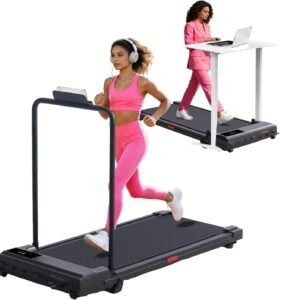
A treadmill gives you control over your workout so you can progress at your own pace. You choose the speed, incline, and duration, which makes it easier to adjust on days when you feel tired or sore.
Experts point out that treadmills remove variables like uneven terrain, bad weather, and obstacles, which is especially helpful if you are returning to exercise or just getting started with walking for fitness (Fit&Well). This controlled environment helps you focus on your breathing, form, and confidence.
You can also track your progress easily. Most machines show time, distance, pace, and incline so you can see improvements week by week. Small wins, such as walking a little farther or maintaining a speed that once felt challenging, are powerful motivation.
Set realistic goals before you step on
Clear goals keep you motivated on days when you would rather skip your workout. Before you start, decide what you want from your treadmill time.
If your primary focus is weight loss, you might aim for more frequent sessions at a moderate intensity. If you want to improve your heart health or stamina, you might focus on gradually increasing your speed and incline. Beginners generally do well planning their workout length ahead of time so they can pace their effort, going a bit faster for shorter workouts and more conservatively for longer ones (Planet Fitness).
It can help to choose one main goal for your first month, such as:
- Walk on the treadmill three times per week
- Work up to 30 minutes of continuous walking
- Add gentle jogging intervals for a total of 5 minutes
Write your goal somewhere visible. Seeing it before you get on the treadmill reinforces why you are there.
Warm up properly to protect your body
A proper warm up prepares your muscles and joints, reduces injury risk, and makes your workout feel smoother. For beginner treadmill workouts, a walking warm up is both simple and effective.
Many trainers recommend starting with 5 minutes at an easy walking pace of about 2.5 to 3 mph. This pace should feel comfortable enough that you can hold a conversation (Planet Fitness). Other guides suggest a similar approach, starting around 3 mph before picking up intensity (One Peloton).
If your treadmill has an incline setting, keep it at 0 percent during the warm up. Once you feel loose and your breathing has slightly increased, you can add a small incline or bit more speed.
For added protection, especially before incline work, warming up on a flat surface and then doing gentle hamstring stretches can help reduce discomfort and improve your workout effectiveness (Planet Fitness).
Try a simple walking-only beginner workout
If you are new to exercise, a walking-only plan is a smart way to start. Walking still burns calories, improves cardiovascular health, and helps you build a foundation for more intense workouts later.
Beginner treadmill workouts often start with an easy walk, then gradually progress to a slightly faster pace until you are just a bit out of breath for 5 to 15 minutes (Planet Fitness). You can adjust times and speeds based on how you feel.
Here is a sample 20 minute walking workout:
- Warm up: 5 minutes at 2.5 to 3 mph, 0 percent incline
- Main set: 10 minutes at 3 to 3.5 mph, 0 to 1 percent incline
- Cool down: 5 minutes at 2.5 to 3 mph, 0 percent incline
If you feel strong, you can gently increase the incline to 1 or 2 percent. Many coaches suggest starting with 0 to 2 percent incline and a speed of 3 to 4 mph for an effective beginner workout that builds endurance without overwhelming your body (One Peloton).
The goal is to finish with energy left in the tank. If you step off feeling completely drained, ease up next time.
Use intervals to stay engaged and burn more calories
Once you are comfortable walking for 20 to 30 minutes, you can add simple intervals. Intervals alternate between easier and harder efforts, which keeps your brain engaged and can boost calorie burn in a shorter time.
Structured treadmill workouts for beginners often use short bursts of higher speed or incline followed by active recovery. For example, one interval style cycles through speeds between 3.0 and 4.5 mph and inclines from 0 to 9 percent over about 18 minutes (NordicTrack). You do not need to start that aggressively, but the structure is helpful.
Try this 25 minute beginner interval workout:
- Warm up:
- 5 minutes at 2.5 to 3 mph, 0 percent incline
- Intervals: repeat 6 times
- 1 minute at 3.5 to 4 mph, 1 to 2 percent incline
- 1 minute at 3 mph, 0 to 1 percent incline
- Cool down:
- 5 minutes at 2.5 to 3 mph, 0 percent incline
You should feel slightly out of breath during the harder minute, but still in control. If you cannot speak a full sentence, back off the speed or incline.
As your fitness improves, you can experiment with HIIT style intervals that alternate low and high intensities. Varied workouts like beginner friendly HIIT treadmill routines challenge your cardiovascular system and make sessions more engaging (NordicTrack).
Experiment with incline for strength and variety
Incline walking is a powerful tool for building lower body strength and boosting calorie burn without having to run. It targets muscles in your calves, glutes, and hamstrings and can feel surprisingly challenging at walking speeds.
A popular example is the 12‑3‑30 workout, where you walk for 30 minutes at 3 mph and a 12 percent incline. Trainers note that this style of workout can engage multiple leg muscles and provide a full body challenge when you maintain good form (One Peloton).
As a beginner, you do not need to jump straight to 12 percent. You can start with:
- 5 minutes warm up at 0 percent incline
- 3 to 5 minutes walking at 3 mph and 3 to 5 percent incline
- 3 to 5 minutes back at 0 to 1 percent incline for recovery
Guides often recommend limiting incline running or walking at very steep grades to short periods, no more than 5 minutes at a time, alternated with flat walking for safety and to mimic outdoor terrain (Planet Fitness). This approach protects your joints and makes the workout more sustainable.
Incline also helps break mental monotony. Changing the grade every few minutes gives you small goals to focus on, which can make your workouts feel quicker and more interesting.
Add gentle jogging when you feel ready
If your long term goal includes running, you can gradually introduce short jog intervals while keeping most of your workout at a walking pace.
One simple way to test your comfort is the “three minute test” for beginners. You walk for one minute, jog for one minute, then run a little faster for one minute. Paying attention to how your breathing and body feel helps you decide whether to increase or decrease speed. Recovery days with slower speeds are also important so your body can adapt (Planet Fitness).
When you start jogging, try this structure:
- Warm up: 5 minutes walking at about 3 mph
- Pre run warm up: 5 minutes comfortable jog at a pace where you can still speak in short sentences (One Peloton)
- Intervals: alternate 1 minute jogging with 2 minutes walking, repeated 5 to 8 times
- Cool down: 5 minutes easy walk
Keep your stride light and avoid gripping the handrails. If jogging feels too intense, return to intervals that only adjust incline and speed within your walking range. You can always try jogging again after a few more weeks of building endurance.
Use variety to keep motivation high
Doing the exact same workout every time can feel dull, and boredom is one of the main reasons people fall off their routine. The good news is that you can create lots of variety while still keeping things beginner friendly.
Some ideas include:
- Changing the focus of each workout, such as speed one day and incline another
- Adjusting the total time, for example, a shorter but slightly faster session followed by a longer, easier one later in the week
- Trying different walking variations like backward walking, side steps, or grapevine movements after a proper warm up, which can improve balance, coordination, and mobility (Fit&Well)
Experts suggest that a good treadmill progression includes gradually increasing frequency, duration, density, or intensity over time. You might start by walking every other day, then slowly extend sessions from 30 to 35 minutes and introduce intervals of walking and jogging as you get stronger (One Peloton).
If your treadmill connects to interactive training platforms, beginner friendly guided workouts can also keep things fresh and offer form coaching as you go (NordicTrack).
Tip: At the start of the week, jot down three different treadmill sessions you plan to do. Treat them like appointments and check them off as you complete each one.
Pay attention to safety, shoes, and hydration
Comfort and safety matter just as much as your plan. They also make it more likely that you will stick with your workouts.
Beginners are encouraged to:
- Choose running or walking shoes with good cushioning and stability to protect joints and improve comfort
- Warm up at a slower pace before increasing speed or incline, especially before steeper walking
- Limit long periods at high inclines and alternate them with flat walking to prevent overuse and mimic outdoor conditions (Planet Fitness)
- Stay hydrated before, during, and after your session to support performance and recovery
Treadmills are already a safe, versatile option because they keep you away from traffic and poor visibility, which is helpful in urban areas or low light conditions (One Peloton). Adding smart habits on top of that creates an even better training environment.
Turn your beginner treadmill routine into a habit
The real health and weight loss benefits of treadmill workouts for beginners show up when you are consistent over weeks and months. You do not need perfect workouts. You only need to keep showing up.
A few simple strategies can help:
- Schedule your treadmill sessions at the same time of day so they become part of your routine
- Track your workouts in a notebook or app so you can see your progress
- Celebrate small wins like an extra 5 minutes walked or a new top speed, instead of waiting for big milestones
Start with one achievable workout from this guide, such as the 20 minute walking session. Notice how your body feels afterward and use that as your baseline. Over time, you can add intervals, incline, or jogging as your fitness grows.
With a clear plan, realistic goals, and a bit of variety, your treadmill can become a tool you look forward to using, not something you avoid.
About The Author