Easy Rowing Machine Interval Training Routines for Busy Schedules
Rowing machine interval training is an efficient way to burn calories, strengthen your entire body, and fit a solid cardio routine into even the busiest schedules. Whether you’re a newcomer to rowing or simply short on time, intervals help you get the most out of those precious workout minutes. By alternating between high-intensity bursts and short recovery periods, you can quickly boost your endurance and improve cardiovascular health. Below, you’ll find tips on how to set up an impactful interval-based workout, alongside quick methods to warm up, cool down, and track your progress.
Remember, consistency matters as much as intensity. If you’re just getting started, keep it simple and tackle smaller intervals. As you gain confidence, extend or intensify the work phases for a greater challenge and bigger fitness rewards. A rowing machine can become your go-to piece of equipment for achieving full-body results once you harness the power of intervals.
Understand the basics
You may have heard about interval training from friends or fitness articles, but it’s helpful to know exactly why it’s such a reliable approach. In short, the repeated switch between pushing your limits and actively resting can increase your aerobic capacity faster than steady-state cardio, making workouts shorter but more intense. This matters if you have limited time and would rather see significant gains without spending an entire afternoon at the gym.
Your body also benefits on a muscular level. Each power stroke on the rowing machine engages core, upper body, and leg muscles, so you’re not just working your heart. Over time, you’ll build lean muscle mass and improve your posture, which can help prevent everyday aches and pains, especially if you stay consistent with proper form.
Why intervals matter
Intervals keep your body guessing. When you row at high intensity in short bursts, you shock your muscles and force them to adapt. During the low-intensity or rest periods, your body recovers and prepares for the next surge. This method helps break fitness plateaus, because your heart rate never settles into a slow, consistent rhythm the way it would if you were coasting along at one speed.
Set up your rowing space
To make rowing machine interval training feel less like a chore, a tidy and welcoming workout area can do wonders. If possible, choose a spot near a window or where you have enough room to fully extend your legs and arms without bumping into furniture. Good airflow is also helpful since the room can heat up quickly with interval work.
Take a moment to adjust your machine’s damper setting. If you’re a beginner, you might stick with a moderate resistance until you feel comfortable with the stroke rate. Higher damper settings aren’t always better. In fact, starting too high can place unnecessary strain on your back and arms. Aim for a setting that challenges you but still lets you maintain smooth form.
Equipment check
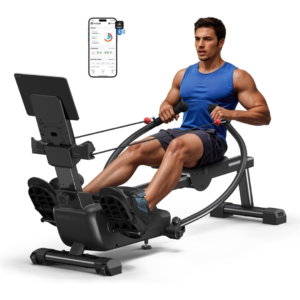
Before you dive into intervals, double-check your footwear and seat position. Wear supportive shoes with non-slip soles to ensure your feet remain firmly on the foot pedals. Position the seat so you can reach the handles without hyperextending your back. This helps you avoid random aches and keeps each stroke efficient.
Warm up for success
A proper warm-up sets the stage for your intervals, especially when you only have a few precious minutes to exercise. By gradually elevating your heart rate and engaging major muscle groups, you’ll reduce the risk of injury and feel more comfortable hitting those high-intensity intervals.
Spend at least five minutes easing into a moderate rowing pace, focusing on form above all else. Make sure your core is braced, your back is straight, and your strokes are smooth. Keep your pulling motion driven by your legs, with your upper body finishing each stroke. This short warm-up period gives your muscles a heads-up without draining your energy too soon.
Simple dynamic moves
After that initial row, you can add a few quick stretches or dynamic exercises if you have the time. Consider arm circles to loosen your shoulders or gentle squats to activate your legs. Keep your movements controlled. The goal isn’t to fatigue yourself, but to switch your body into workout mode so you can handle intense bursts.
Try a short workout
Once you’re warm, it’s time to dive into a straightforward interval session that suits beginners and busy bees alike. This format uses short intervals to keep things fresh. It’s a great option if you have about 15 minutes total.
Beginner-friendly pattern
- Row at high intensity for 30 seconds. Aim for a strong effort that challenges you, but avoid straining.
- Decrease your effort to a light, active recovery for 30 seconds. Row at a gentle pace or simply pause while keeping your legs moving slowly.
- Repeat this sequence for 8 rounds (8 minutes total).
- Once done, row at an easy pace for 2 minutes to cool down slightly before moving on or calling it a day.
Adjust the number of rounds or length of intervals to fit the time you have. If you find 30 seconds too short, get creative by boosting the work interval to 45 seconds or a full minute. Just remember not to tire yourself too early. The idea is to keep each burst challenging but doable.
Increase intensity gradually
As your fitness improves, you can begin to play with timing and stroke rates. A popular approach is to slowly increase the speed or resistance during your work intervals. For instance, you might do your first interval at a moderate pace, then go harder in the second or third round to see if you can push your limits further.
Some rowers enjoy using a “ladder” where each work interval grows in length while the rest periods stay short. For example, you could start with a 30-second effort, then up it to 45 seconds, then 60, and so on. This method not only tests your endurance, but gives you a mental challenge: you’re constantly pushing the line a bit further. Keep an eye on your form. The moment your technique falters, it’s time to dial back, rest, and reset.
If you’re seeking more variety, you could alternate between different stroke rates in each interval. Go for a higher stroke rate for the first period, then a slightly lower but more powerful stroke for the second. This variation targets different muscle fibers and enhances your overall rowing skill.
Cool down fully
Finishing strong is important, but so is cooling down. After your final interval, resist the temptation to immediately hop off the machine and rush to your next task. Spend a few minutes rowing at a gentle pace to lower your heart rate. This gradual decrease can help reduce muscle tightness and ease your body back to its normal resting state.
If you have extra time, add a few static stretches that focus on your shoulders, back, and hamstrings. Gentle seated folds, shoulder rolls, and standing quadriceps stretches keep you limber and reduce soreness the next day. Over time, these small investments in recovery support greater flexibility and help you bounce back faster for your next rowing session.
Key takeaway
Rowing machine interval training offers a powerful blend of cardio and strength work in a package that even the busiest schedules can handle. By making small tweaks—like introducing short, intense bursts followed by recoveries—your workouts will feel engaging, efficient, and surprisingly doable. Begin with shorter intervals, focus on proper form, and layer in longer or more challenging segments as you progress. Above all, listen to your body, and let each step forward be a building block for better fitness and health. You don’t need endless hours in the gym. Sometimes, a few well-structured intervals can be enough to push you closer to your goals.
About The Author