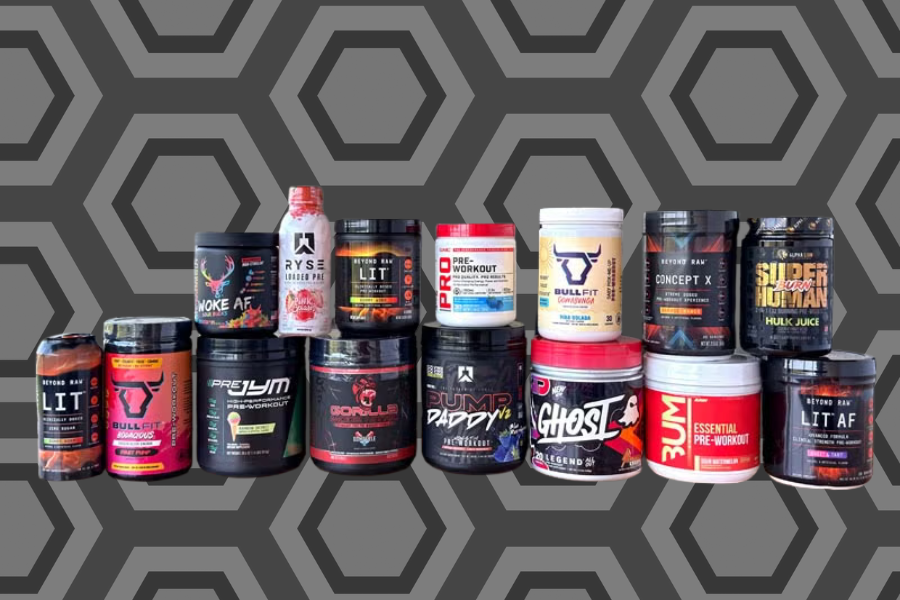
Best Pre-Workout Supplements for Muscle Gain You’ll Love
Pre-workout supplements for muscle gain can feel confusing. Some blends promise insane pumps, others focus on “laser focus,” and a few seem to throw in every ingredient under the sun. If you want real muscle growth, you need to know what actually helps you lift more, recover better, and stay consistent over time.
This guide walks you through how pre-workout works, which ingredients matter most for muscle gain, how to time your dose, and what to watch out for in terms of safety and side effects.
Understand what pre-workout actually does
Pre-workout supplements are ergogenic aids, which means they are designed to help you perform better in the gym. Typically they give you more energy, better focus, improved blood flow, or delayed muscular fatigue, so you can complete more quality sets and reps in your workout (Garage Gym Reviews).
Most pre-workouts for muscle gain are powdered blends that you mix with water and take before training. They usually combine:
- Stimulants like caffeine to increase alertness and perceived energy
- Amino acids to support muscle performance and recovery
- Pump ingredients that enhance blood flow to working muscles
- Electrolytes to support hydration
You are not building muscle because of the scoop itself. You build muscle because better energy and performance in the gym let you progressively lift more weight, do more reps, and recover well session after session.
Focus on key muscle‑building ingredients
Not every ingredient in a flashy formula meaningfully affects muscle gain. When you look at pre-workout supplements for muscle gain, pay close attention to these heavy hitters.
Caffeine for energy and endurance
Caffeine is the most widely studied pre-workout ingredient. It blocks adenosine, a brain chemical that makes you feel sleepy, which can improve alertness, reaction time, and athletic performance (University Hospitals). Effective doses for performance often fall in the range of 3 to 6 milligrams per kilogram of body weight, while the FDA recommends staying under 400 milligrams daily (Garage Gym Reviews).
For muscle gain, caffeine helps you:
- Push through heavy sets when you would otherwise stop
- Maintain intensity across your entire workout
- Feel more motivated to train consistently
Caffeine can also increase your metabolic rate and encourage your muscles to use more fat for fuel instead of glycogen, which may help you maintain endurance over a session (ProSupps).
Creatine for power and size
Creatine is one of the most proven supplements for increasing strength, power, muscle mass, and exercise recovery. Taking around 3 to 5 grams daily over several weeks increases your muscle creatine stores and allows your muscles to regenerate energy faster during high intensity efforts (Garage Gym Reviews).
In a pre-workout, creatine helps you:
- Perform more reps at a given weight
- Handle heavy, explosive movements better
- Support muscle growth through greater training volume
Some research suggests that taking creatine after your workout may produce slightly greater gains in muscle size and strength than taking it before your session (Cellucor). The most important factor, though, is consistent daily intake. If creatine is in your pre-workout and you take it regularly, you are still covering this base.
Beta‑alanine for muscular endurance
Beta-alanine boosts levels of carnosine in your muscles, which helps buffer acidic byproducts that build up during intense exercise. This can reduce fatigue, improve muscular endurance, and support muscle growth when you are training hard in moderate to high rep ranges (Garage Gym Reviews).
Research suggests that 3 to 6 grams per day is an effective range, and long term use is key for full benefits (Transparent Labs). You might notice a tingling sensation on your skin when you first start taking it. This is called paresthesia and is harmless, and it typically fades as you get used to the supplement.
Citrulline or citrulline malate for pumps and performance
L-citrulline converts to L-arginine in the body and boosts nitric oxide, which improves blood flow to your muscles. Better blood flow can enhance oxygen and nutrient delivery, creating the “pump” many lifters look for and potentially helping performance and recovery (Garage Gym Reviews).
Citrulline malate is a very popular form in pre-workouts for muscle gain. Doses in the range of 4 to 8 grams pre-workout seem to be most effective for boosting nitric oxide and supporting training performance, although many products use lower doses to save on cost (Transparent Labs).
BCAAs and other amino acids
Branched-chain amino acids (BCAAs) such as leucine, isoleucine, and valine are often included to support muscle protein synthesis, reduce muscle breakdown, and help reduce soreness (Garage Gym Reviews). Intra-workout BCAAs can also provide an additional energy source and help combat fatigue by limiting tryptophan uptake and serotonin production in the brain (Cellucor).
If you already consume enough high quality protein throughout the day, the direct muscle building impact of BCAAs may be smaller, but they can still help you feel better during and after tough sessions.
Time your pre‑workout for best results
Once you pick a formula, timing matters. Caffeine and other active ingredients need time to absorb and reach peak levels in your bloodstream.
Many experts recommend taking pre-workout supplements for muscle gain about 30 to 60 minutes before you train (Garage Gym Reviews). Caffeine in particular tends to peak around 20 to 30 minutes after ingestion, but this can range from 15 to 120 minutes depending on your metabolism and whether you have eaten recently (Cellucor).
Two details make a difference:
- On an empty stomach, caffeine absorbs faster and the effects will hit you sooner and often feel stronger (Cellucor).
- If you take your pre-workout with a meal, the energy surge may show up closer to 60 to 75 minutes after you drink it.
It is smart to start with a half scoop the first time you try a new product, especially if it is high in caffeine. This lets you assess your tolerance and reduce the odds of jitters, nausea, or a racing heart (Garage Gym Reviews).
Dry scooping, or taking the powder without mixing it into water, may seem popular online, but it is not recommended. It can increase the risk of choking and may cause rapid, uncomfortable spikes in stimulant exposure (Garage Gym Reviews).
Look at performance, not just the label
You might wonder whether stacking lots of ingredients in one “mega” pre-workout automatically leads to better muscle growth. Research suggests that more is not always better.
In one randomized, double blind study, 43 healthy men and women used a multi ingredient pre-workout product that contained creatine, betaine, caffeine, and dendrobium extract for six weeks. The supplement increased feelings of energy and concentration, and users reported less fatigue and higher focus during testing sessions (PMC).
However, compared with a comparator product, there were no significant differences in key outcomes like lean mass, fat mass, bench press one repetition max, or most measures of muscular performance (PMC).
The takeaway for you is simple. A pre-workout can help you feel sharper and more energized, but muscle gain still depends on your overall training program, nutrition, sleep, and consistency. Use the supplement as a tool to support hard work instead of expecting it to replace the basics.
Understand possible side effects and safety
Most healthy adults can use pre-workout supplements safely if they respect the label directions and their personal tolerance. That said, there are real side effects to be aware of.
Common issues include:
- Increased blood pressure, especially shortly after taking stimulant heavy pre-workouts (Garage Gym Reviews)
- Jitters, anxiety, or a racing heart from high caffeine doses
- Headaches or insomnia, particularly if you take pre-workout late in the day
- Tingling sensations from beta-alanine, which are harmless but can feel strange at first
In the multi ingredient pre-workout study mentioned above, acute ingestion did cause small but statistically significant increases in systolic and diastolic blood pressure within 30 to 120 minutes after dosing. There were no adverse changes in ECG or heart rate, and the product was generally well tolerated in young, healthy adults (PMC).
Over six weeks, that same product actually showed a reduction in diastolic blood pressure at week 6 compared with the comparator supplement, with no significant changes in systolic blood pressure or heart rate (PMC). Even so, you should treat these products with respect.
A few simple guidelines help you stay safer:
- Stick to the recommended serving size and do not double scoop.
- Watch your total daily caffeine intake from all sources, including coffee, tea, and energy drinks.
- Stay well hydrated during and after your workout.
- Avoid pre-workout if you are under 18 or have high blood pressure or heart issues, unless your healthcare provider gives you explicit clearance (University Hospitals).
Remember that supplement regulation is limited. Many formulas contain ingredients that have not been studied thoroughly in humans, especially in combination. If you have medical conditions or take prescription medications, checking with a professional first is always the safest path.
If a pre-workout ever makes you feel unwell, overly anxious, or “off,” you can stop immediately, lower the dose next time, or switch to a lower stimulant or stimulant free option.
Put it all together for better gains
When you choose and use pre-workout supplements for muscle gain, you will get the most out of them if you:
- Prioritize proven ingredients such as caffeine, creatine, beta-alanine, and citrulline.
- Time your dose roughly 30 to 60 minutes before training, adjusting based on how quickly you feel the effects.
- Respect your caffeine tolerance and total intake, especially if you also drink coffee or energy drinks.
- Use pre-workout to enhance a solid training plan, not to compensate for poor sleep, inconsistent workouts, or a low protein diet.
If you are curious, start small. Try a half scoop on a day with heavy compound lifts like squats or deadlifts, pay attention to how you feel, and adjust from there. Over time, you will figure out the combination of ingredients, timing, and dosage that helps you walk into the gym ready to train hard and build more muscle, without sacrificing your health or your sleep.
About The Author