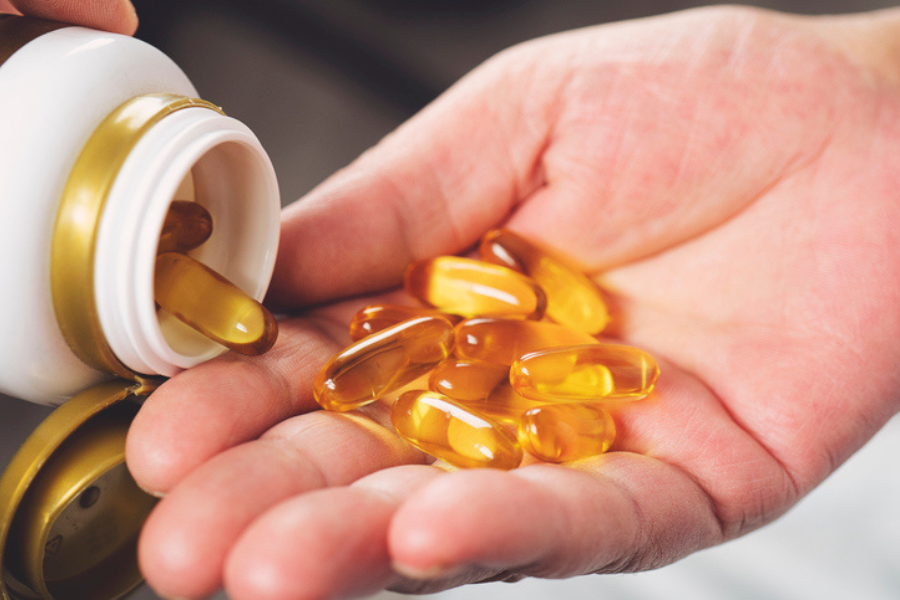
Feel Better Fast with Plant-Based Omega-3 Supplements
A few small changes to your routine can make you feel better surprisingly fast. Plant-based omega-3 supplements are one of those low-effort tweaks with the potential to support your heart, brain, joints, and mood without adding fish oil to your diet.
If you have been curious about plant-based omega-3 supplements but are not sure how they work, what to look for, or whether you actually need them, this guide walks you through the essentials in clear, practical terms.
Understand what omega-3s actually are
Omega-3s are a family of fatty acids that your body cannot make on its own, so you need to get them from food or supplements. For health, three types matter most:
- ALA (alpha-linolenic acid), mostly found in land plants like flaxseed, chia, walnuts, and hemp
- EPA (eicosapentaenoic acid), a long-chain omega-3 often linked to heart health and reduced inflammation
- DHA (docosahexaenoic acid), a long-chain omega-3 that is crucial for brain, eye, and nervous system health
ALA is plentiful in plant foods, but your body has to convert ALA into EPA and DHA before it can use it the same way. That conversion is limited, with only about 5 to 15 percent of ALA turning into EPA and less than 1 percent becoming DHA according to the National Institutes of Health and other reviews (NIH ODS, Forks Over Knives).
This is where plant-based omega-3 supplements come in. They can give you EPA and DHA directly, without relying only on that slow conversion.
See why plant-based omega-3 supplements are different
When you think of omega-3s, you might immediately think of fish oil. Plant-based omega-3 supplements work differently in a few key ways.
Most vegan omega-3 supplements get EPA and DHA from algal oil, which is made from microalgae. Fish and krill actually get their omega-3s from eating these microalgae, so algae are the original source of marine EPA and DHA in the food chain (LiveMomentous).
How algal oil stacks up
Plant-based algal oil supplements typically:
- Provide around 100 to 300 mg of DHA, and sometimes EPA, per serving
- Deliver omega-3s in triglyceride form, which is a highly absorbable form
- Offer bioavailability similar to what you would get from cooked salmon in small clinical studies (NIH ODS)
Because algae are grown in controlled environments, algal oil supplements usually do not contain contaminants like methyl mercury that you might find in seafood. Any such impurities are removed in processing (NIH ODS). This makes them appealing if you are wary of ocean pollutants.
On top of that, going straight to algae bypasses fish and krill entirely, so you avoid contributing to overfishing. For example, products like Sapling’s Vegan Omega 3 use sustainably grown microalgae in the United States and bottle their supplements in FDA registered facilities to support both quality and environmental goals (Amazon).
Explore the benefits you may feel
You will often hear that omega-3s are “good for everything,” which is not very helpful. It is more useful to get specific about how plant-based omega-3s might help you feel better day to day.
Heart and circulation support
EPA and DHA are frequently associated with heart and vascular health. While large meta reviews of fish oil supplements have not shown strong protection against heart attacks, strokes, or heart related deaths across the general population (Physicians Committee for Responsible Medicine), getting enough omega-3s still appears to:
- Support healthy triglyceride levels
- Help maintain flexible blood vessels
- Promote a more balanced inflammatory response in the body
If you do not eat fish, plant-based omega-3 supplements give you a practical way to reach intake levels similar to people who do.
Brain, mood, and eye health
Your brain and eyes are especially rich in DHA. Adequate DHA intake is important for:
- Normal brain development and function
- Memory and learning
- Visual health, including the retina
Plant-based omega-3 supplements made from algae deliver DHA directly. Some formulations provide both EPA and DHA in higher doses, such as 500 mg of each per serving in certain premium products, and are third party tested for purity and potency (LiveMomentous).
You might not feel an overnight transformation, but over weeks or months, many people notice more stable mood, clearer thinking, or less eye strain, especially if they started out with a low omega-3 intake.
Joints and inflammation
EPA in particular is known for its role in regulating inflammation. While omega-3 supplements are not painkillers, getting enough EPA and DHA may help:
- Take the edge off everyday stiffness
- Support recovery from physical activity
- Promote overall joint comfort over time
Vegan omega-3 supplements that focus on EPA and DHA from algae offer these benefits without relying on fish oil or krill.
Know what food can do (and where it falls short)
You might prefer to start with your plate before adding a supplement. That is a smart approach.
Plant-based omega-3 foods include:
- 1 tablespoon ground flaxseed, about 2.4 grams of ALA
- 1 ounce chia seeds, about 5 grams of ALA
- 1 ounce walnuts, about 2.6 grams of ALA
- 1/2 cup edamame, about 0.28 grams of ALA
- 1/2 cup beans, about 0.10 grams of ALA
These numbers come from the Physicians Committee for Responsible Medicine, which has detailed breakdowns of ALA rich foods (PCRM).
Eating a variety of these foods is a great foundation. In fact, large observational work like the EPIC study has found that vegan women actually had higher blood levels of long chain omega-3s than fish eaters and meat eaters, even with no direct intake of EPA and DHA (PCRM).
However, because the conversion of ALA to EPA and DHA is limited, many plant based dietitians now recommend adding a small algae based supplement on top of a healthy, low fat, whole food diet. The idea is to cover your bases without relying only on conversion (Forks Over Knives).
A simple rule of thumb: build your foundation with ALA rich foods every day, then use a modest algae based supplement for direct EPA and DHA.
Decide if a supplement makes sense for you
You probably do not need to chase the highest dose. For most adults, dietitians often point to around 250 mg per day of combined EPA and DHA from algae as a reasonable general target, while reminding you to talk to a healthcare provider about your individual needs (Forks Over Knives).
A plant-based omega-3 supplement may be especially useful if you:
- Skip fish entirely or only eat it rarely
- Follow a vegan or vegetarian diet
- Are pregnant, breastfeeding, or trying to conceive
- Are an older adult or have chronic health conditions
- Train intensely as an endurance or high volume athlete
Plant-based doctors and nutrition experts increasingly suggest algae based DHA and EPA for these groups because blood levels of long chain omega-3s can run low without some direct source (Forks Over Knives).
Choose a high quality plant-based omega-3
Not all supplements are created equal. Before you buy, take a minute to compare options so you know what you are getting.
Read the label closely
The NIH maintains a Dietary Supplement Label Database that collects label information for many omega-3 products, including algal oil supplements. It is a helpful resource if you like to double check amounts and forms of omega-3s before you purchase (NIH ODS).
When you compare plant-based omega-3 supplements, look for:
- Clear listing of DHA and EPA amounts per serving
- Source of omega-3s, such as “algal oil” or “microalgae”
- Chemical form, ideally triglycerides for good bioavailability
- Certifications like third party testing or quality seals, when available
You can also pay attention to the rest of the ingredient list. For example, Sapling’s Vegan Omega 3 includes algal oil along with ingredients like modified tapioca starch, vegetable glycerin, purified water, high oleic sunflower oil, rosemary extract, tocopherols, and ascorbyl palmitate, and it is formulated to be carrageenan free and fully vegan (Amazon).
Pick a dose and routine you can stick with
Most plant-based omega-3 supplements ask you to take one or two softgels daily with a meal. Sapling, for instance, recommends two softgels per day with food or as directed by your healthcare professional (Amazon).
Choose a schedule that easily fits into something you already do. For example, you might keep the bottle next to your breakfast items so you remember to take your softgels with your first meal.
Consistency matters more than chasing a perfect dose. You will get more benefit from a realistic, steady habit than from an ideal dose you forget half the week.
Stay aware of side effects and safety
Plant-based omega-3 supplements are generally well tolerated, but it is still important to know how your body might react and when to ask for help.
A commonly used vegan formula, Ovega-3 Vegetarian, can cause mild side effects such as:
- Eructation, or burping
- Dyspepsia, or indigestion
- Unpleasant or altered taste in the mouth
These effects were noted in a medical review updated in 2025 (Drugs.com). You may notice similar minor issues with other algal oil supplements, particularly if you take them on an empty stomach.
Serious or life threatening reactions appear to be rare. However, if you experience severe symptoms of any kind, you are advised to seek immediate medical care (Drugs.com).
You should also know that omega-3 supplements, including plant based ones, can potentially interact with other medications. The Ovega-3 guidance specifically suggests using a drug interaction checker or speaking with a medical professional if you are on prescriptions or other supplements (Drugs.com).
Because side effects and benefits can vary a lot from person to person, it is wise to:
- Talk with your healthcare provider before starting any new supplement
- Mention all other medications, vitamins, and herbs you use
- Report any unexpected reactions and, when relevant, share them with the FDA as advised in official resources (Drugs.com)
Put it all together in a simple plan
To feel better fast without overcomplicating your routine, you can start with a small, doable plan:
- Add one ALA rich food to your daily meals, such as 1 tablespoon ground flaxseed in oatmeal or a handful of walnuts as a snack.
- Choose a reputable algae based omega-3 supplement that lists clear amounts of DHA and EPA and is suited to your diet.
- Aim for around 250 mg per day of combined EPA and DHA unless your clinician advises otherwise.
- Take your supplement with a meal consistently for at least 4 to 8 weeks before you judge how you feel.
- Keep your healthcare provider in the loop, especially if you have health conditions, take medications, or are pregnant or breastfeeding.
By combining whole plant foods with a thoughtful plant-based omega-3 supplement, you give your heart, brain, eyes, and joints the fatty acids they need, all without relying on fish oil. It is a gentle shift you can feel good about, for your body and for the planet.
About The Author