What You Should Know About Paleo Diet and Autoimmune Disease
How the paleo diet relates to autoimmune disease
If you live with an autoimmune disease, you probably hear a lot of claims about food and inflammation. It can be hard to know what actually helps. The connection between the paleo diet and autoimmune disease is getting more attention, especially through a more specific version called the Autoimmune Protocol, or AIP.
Both paleo and AIP focus on real, minimally processed foods. The goal is to calm your immune system, reduce inflammation, and support your gut, which plays a big role in autoimmune conditions. Early research suggests these diets may improve symptoms for some people, although they are not cures and they are not right for everyone.
In this guide, you will see how the paleo diet and AIP work, what current studies show, and what to consider before you try them.
What autoimmune disease does inside your body
Autoimmune diseases happen when your immune system mistakenly attacks your own tissues. This can affect joints, the gut, the thyroid, the nervous system, and more. Common autoimmune diseases include:
- Hashimoto thyroiditis and Graves disease
- Rheumatoid arthritis
- Lupus
- Celiac disease
- Inflammatory bowel disease, such as Crohn disease and ulcerative colitis
- Multiple sclerosis
Symptoms vary, but you may deal with fatigue, pain, digestive upset, brain fog, skin issues, or hormonal problems. Many researchers now see chronic gut inflammation and an imbalanced microbiome as key contributors to these conditions, which is why diet gets so much attention.
Disturbances in the gut microbiome from processed foods, toxins, antibiotics, and stress may trigger or worsen autoimmune processes, so strategies that reduce gut inflammation can be useful for managing symptoms (Mindd).
Paleo diet basics in plain language
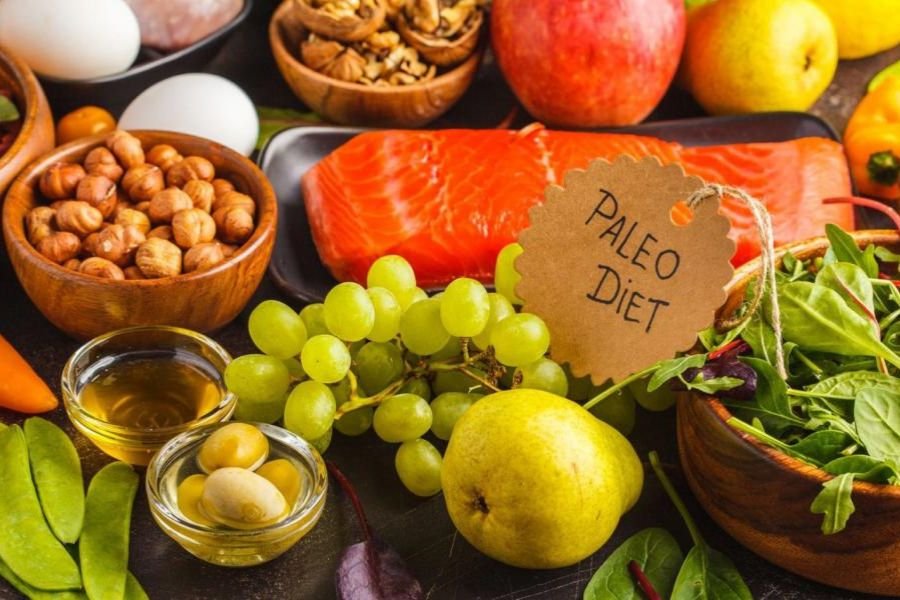
The basic paleo diet is built around the idea of eating in a way that is more similar to what your distant ancestors might have eaten. In practice, that means you emphasize whole, nutrient dense foods and avoid many modern processed items.
You typically eat:
- Vegetables and fruits
- Meat, poultry, and fish
- Eggs
- Nuts and seeds
- Healthy fats such as olive oil and avocado
You typically avoid:
- Grains
- Legumes, such as beans and lentils
- Most dairy
- Refined sugar
- Industrial seed oils and processed foods
A systematic review of eight studies on people with autoimmune thyroid disease found that Paleolithic or ancestral style dietary interventions were associated with clinical improvements, including reductions in thyroid antibodies and better thyroid hormone profiles (PubMed). Some studies even reported resolution of autoimmune thyroid disease in a subset of participants (PubMed).
In these interventions, diet was usually combined with other lifestyle changes like specific supplements, exercise, and mindfulness practices, which makes it harder to separate out the exact effect of food alone. However, the pattern reinforces the idea that an ancestral style diet can be helpful for some people with autoimmune conditions.
What the Autoimmune Protocol (AIP) is
The Autoimmune Protocol is like a stricter, therapeutic version of paleo, designed specifically for autoimmune symptoms. It is not meant to be a forever diet. Instead, it is usually done in two phases: elimination and reintroduction.
During the elimination phase you remove more potential immune triggers than you do on standard paleo. The AIP diet is derived from paleo and is designed to reduce gut inflammation, heal the gastrointestinal tract, and lower systemic inflammation in people with autoimmune disease (Mindd). It focuses on removing commonly sensitive foods to rebalance gut microbiota and optimize nutrient intake (Mindd).
Clinical trials in conditions like Hashimoto thyroiditis, inflammatory bowel disease, and rheumatoid arthritis have reported improvements in quality of life and disease related symptoms in some participants following AIP, although results are still preliminary and sometimes conflicting, especially for lab markers like thyroid hormones and inflammatory markers (NCBI – Metabolism Open).
AIP vs standard paleo, key differences
At first glance, you might think AIP is just paleo with a new label. In reality it is more restrictive, at least in the short term.
On a standard paleo diet you usually avoid:
- Grains
- Legumes
- Most dairy
- Refined sugar and highly processed foods
On AIP, especially during the elimination phase, you still avoid all of the above, plus several other categories. For example, the AIP diet extends paleo by excluding:
- Grains and legumes
- Nightshades, such as tomatoes, peppers, eggplant, and white potatoes
- Nuts and seeds
- Eggs
- Coffee and alcohol
- Food additives and processed foods
This stricter elimination is meant to help reduce immune activation and gut irritation, so you can get a clearer picture of which foods your body tolerates and which may worsen your autoimmune symptoms (NCBI – Metabolism Open).
Both paleo and AIP encourage you to eat plenty of vegetables, lean meats, fish, fruits, fermented foods, and gut supporting options like bone broth. The difference is that AIP temporarily removes more categories that can be healthy for many people but problematic for some with autoimmune disease (Dr. Emily Parke).
What you eat and avoid on AIP
If you try AIP, knowing exactly what is in and what is out makes planning much easier. The aim is to lower inflammation, reduce gut irritation, and give your immune system a break from constant stimulation.
You emphasize:
- Vegetables, except nightshades, such as leafy greens, cruciferous vegetables, root vegetables, and squash
- Fruits, typically in moderate amounts
- High quality meat, poultry, and fish
- Organ meats for dense nutrients
- Fermented foods, such as sauerkraut and kombucha, if tolerated
- Gut healing foods, particularly bone broth (Dr. Emily Parke)
You avoid:
- Grains and legumes
- Dairy
- Eggs, especially egg whites, since egg white proteins like lysozyme can cross the gut barrier and may provoke an inflammatory immune response in sensitive people (The Paleo Diet)
- Nuts and seeds
- Nightshades, such as tomatoes, peppers, white potatoes, and eggplant. These contain compounds like lectins, saponins, and capsaicin that may irritate the gut for some individuals (The Paleo Diet)
- Coffee and alcohol
- Processed foods and additives
Some people also avoid other specific foods such as bananas during AIP, because certain proteins in ripe banana pulp may act similarly to lectins and are linked with allergic reactions in some people (The Paleo Diet).
The diet can feel restrictive, especially at first, so meals require more planning. Over time many people report that the structure helps them identify patterns, such as which foods worsen pain, digestion, or fatigue.
How the elimination and reintroduction phases work
One of the most important things to understand about AIP is that the strict phase is meant to be temporary. You are not expected to avoid all of these foods forever.
Elimination phase
During the elimination phase, you follow the full list of restrictions for a set period. Different experts suggest slightly different time frames, but most recommend somewhere between 30 and 90 days (Mindd, The Paleo Diet). This length is not random. It allows your immune system time to calm down after you remove potential triggers. One practitioner notes that after exposure to a triggering food, the immune response can take around 23 days to decrease by half, which is why shorter trials may not show the full effect (Dr. Emily Parke).
During this phase, many people notice changes in:
- Gut symptoms, such as bloating, diarrhea, constipation, or pain
- Joint or muscle pain
- Skin flares
- Energy and brain fog
- Sleep and overall stress levels
For example, people with inflammatory bowel disease following an AIP style protocol have reported better bowel movement frequency, lower stress, and improved quality of life within a few weeks (Nourish).
Reintroduction phase
Once you complete the elimination period, you slowly reintroduce foods one at a time. You might start with egg yolks, for instance, and leave egg whites for later since they are more likely to be problematic. You wait several days between reintroductions and watch for returning symptoms.
This careful process allows you to build a personalized list of foods that your body handles well versus those that flare your autoimmune disease. The long term goal is a varied, nutrient dense diet that suits your specific immune system, not staying in a permanently restricted state (Green Chef, The Paleo Diet).
Think of AIP as a structured experiment rather than a permanent identity. The information you gain from it can guide your eating for years, even after you relax many restrictions.
What current research suggests about benefits
Evidence for the relationship between paleo diet and autoimmune disease is still developing, but several patterns are emerging.
For general autoimmune conditions, the AIP diet has been reported to reduce systemic inflammation and help modulate the immune system, which can lead to symptom reduction and improved quality of life in some people (Dr. Emily Parke). Clinical trials in autoimmune diseases like Hashimoto thyroiditis, inflammatory bowel disease, and rheumatoid arthritis show that AIP may improve disease related symptoms and day to day functioning, although results for specific lab values are mixed and more research is needed (NCBI – Metabolism Open).
For autoimmune thyroid disease specifically, the 2023 systematic review on Paleolithic diet interventions found that ancestral style eating combined with other supportive therapies led to reductions in thyroid antibodies and improvements in thyroid hormone profiles, with some cases of symptom resolution (PubMed). The authors suggest that ancestral foods and thoughtful macronutrient composition might support thyroid health, and note that additional methylation support could be useful in managing autoimmune thyroid disease (PubMed).
For gut related autoimmune disease such as inflammatory bowel disease, AIP style diets that cut out grains and beans, while emphasizing whole, minimally processed fruits, vegetables, herbs, and lean proteins, have been linked with improved bowel habits, lower stress, and better quality of life over a matter of weeks (Nourish).
Overall, the research points in a promising direction, but it is not conclusive. Most studies are small, short term, and combine diet with other interventions. That is why it is best to see AIP or paleo as tools in a broader care plan, not as stand alone cures.
Risks and challenges to be aware of
Although the paleo diet and AIP can offer benefits, they are not without downsides. Before you start, it helps to know what to watch out for.
The AIP diet in particular is highly restrictive. Long elimination phases without careful planning can increase your risk of nutrient gaps. Women with Hashimoto thyroiditis on AIP have shown lower intakes of folate, vitamin B12, riboflavin, vitamin D, and calcium, which may require individualized diet planning and sometimes supplementation (NCBI – Metabolism Open).
Other considerations include:
- Digestive complications for people with specific gut issues, such as ileal strictures, where a high fiber AIP diet might aggravate symptoms (NCBI – Metabolism Open)
- Social isolation or stress around eating, since the protocol can make restaurants, family meals, and travel more complicated
- The mental load of planning and tracking foods, especially if you already feel fatigued
Because of these limitations and unknowns, experts recommend working with a knowledgeable healthcare provider, such as a doctor and a registered dietitian who understands autoimmune disease, if you plan to follow AIP. This helps you protect your nutritional status and makes it easier to integrate the diet with your medications and other therapies (Nourish).
Deciding if paleo or AIP is right for you
If you are considering the paleo diet and autoimmune disease management, ask yourself a few practical questions:
- Are you stable enough right now to add the extra work of planning and preparing more home cooked meals?
- Do you have access to a clinician or dietitian who can guide you and monitor labs if needed?
- Is your main goal symptom relief, weight loss, or both? That can influence how strict and how long you choose to follow an elimination approach.
For many people, a gentle starting point is to shift toward a basic paleo style pattern first. That means focusing on whole foods, removing ultra processed items, and seeing how your body responds. If you still struggle with significant symptoms, you can explore a time limited AIP protocol under professional supervision.
Whatever you choose, it helps to remember that you are not just following rules. You are running a personal experiment to learn how your body reacts. With patience and support, a paleo or AIP inspired approach can become one helpful tool among many in managing autoimmune disease and improving how you feel day to day.
About The Author