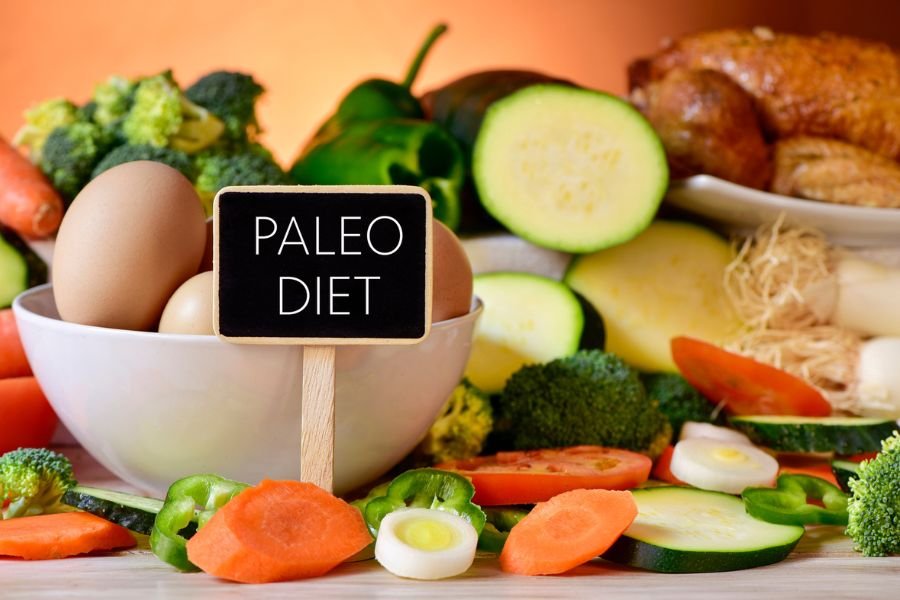
How Your Body Thrives on a Balanced Paleo Diet Approach
A paleo diet is often described as a return to how your ancestors ate. In practice, it simply means you focus on whole foods like vegetables, fruit, lean meats, fish, eggs, nuts, and seeds, and you skip grains, legumes, most dairy, and heavily processed foods (Mayo Clinic). When you approach the paleo diet in a balanced way rather than as an all‑or‑nothing challenge, it can help you lose weight, steady your energy, and support long‑term health.
Below, you will see how a balanced paleo approach works, what the science says, and how to make it realistic for everyday life.
Understand what a balanced paleo diet really is
In its strictest form, the paleo diet tries to mimic what hunter‑gatherers might have eaten between 2.5 million and 10,000 years ago (NCBI Bookshelf). That means:
- Plenty of vegetables and fruits
- Natural meats and seafood
- Eggs, nuts, and seeds
- No grains, legumes, dairy, or highly processed foods
In the real world, your life does not need to look like a reenactment of the Stone Age. Modern paleo experts often encourage you to treat paleo like a spectrum rather than a rigid rulebook. You can be 50 to 85 percent paleo and still see benefits such as better blood sugar control, improved blood lipids, less inflammation, clearer skin, and weight loss (The Paleo Diet).
A balanced paleo diet is less about perfection and more about crowding your plate with simple, unprocessed foods while leaving room for flexibility when you need it.
See how your body changes on paleo
When you move away from refined grains, sugary snacks, and ultra‑processed meals, your body responds quickly. Several short‑term studies suggest that a paleo diet can improve weight, blood sugar, and cholesterol compared with more conventional diets (Mayo Clinic).
A meta‑analysis of 21 randomized trials with about 700 adults found that people following a Paleolithic diet lost about 5.8 kilograms in the short term, compared with 3.9 kilograms on control diets (PMC, MDPI). That same analysis showed better improvements in blood pressure and carbohydrate metabolism, including fasting glucose, insulin, and HbA1c, especially in the short term (PMC, MDPI).
These changes are likely due to several shifts that happen at once when you follow a balanced paleo diet:
- You eat more non‑starchy vegetables and fiber‑rich plant foods
- You remove refined sugar and many ultra‑processed foods
- You focus on quality protein that keeps you satisfied
- You naturally reduce calorie intake without counting every bite
Some research also links paleo eating with better waist circumference, triglycerides, and insulin sensitivity, although the evidence is still less robust than for patterns like the Mediterranean or DASH diets (NCBI Bookshelf).
Focus on whole foods that help you thrive
One of the biggest myths about the paleo diet is that it is a license to eat unlimited meat. In reality, a well‑rounded paleo plate is heavily plant‑centered. The Paleo Diet and clinical organizations describe it as emphasizing vegetables first, then fruits in moderation, plus unprocessed meats, eggs, nuts, seeds, and seafood, all supported by regular physical activity (NUNM).
You support your health best when you build your meals around:
- Non‑starchy vegetables such as leafy greens, broccoli, peppers, and carrots
- Moderate amounts of lower sugar fruits, like berries and apples
- Lean, unprocessed meats, ideally grass‑fed when you can find and afford them
- Wild or sustainably caught seafood that is rich in omega‑3 fats
- Healthy fats from foods like olive oil, avocado, nuts, and seeds
The paleo diet often ends up providing 19 to 35 percent of calories from protein, 28 to 58 percent from fat, and 22 to 40 percent from carbohydrates (NCBI Bookshelf). You do not have to track these numbers. If you focus on whole foods and stop when you are comfortably full, your intake often regulates itself naturally (The Paleo Diet).
Think of your plate in thirds: half non‑starchy vegetables, a quarter protein, and a quarter fruit or starchy vegetables. This simple visual keeps your paleo meals balanced without any math.
Support weight loss without constant counting
If you want to lose weight, the balanced paleo diet can be a helpful tool, especially at the beginning. In one study of postmenopausal women with obesity, a paleo diet led to about 9 percent weight loss at six months and about 10.6 percent at 12 months, with weight stabilizing after that (Healthline).
Several factors make paleo feel easier than typical calorie‑counting plans:
- Protein and healthy fats slow digestion, so you stay satisfied longer
- Removing refined carbohydrates reduces blood sugar spikes and crashes
- Whole foods are naturally more filling per calorie than processed snacks
You can still overeat on any diet, but the structure of paleo nudges you toward foods that make overeating less tempting. If you listen to your hunger and fullness signals, you may find that you lose weight without obsessing over each gram or calorie.
Balance flexibility and consistency
An all‑or‑nothing mindset is where many diets fall apart. Fortunately, the modern paleo approach leaves more room for what some call PaleoFLEX, a framework that allows you to occasionally include non‑paleo foods like natural sweeteners, certain dairy products, or a glass of wine while staying grounded in paleo principles (The Paleo Diet).
Here is how you can build flexibility into your plan without losing momentum:
- Aim to make most of your meals paleo, not every single bite
- Choose higher quality non‑paleo foods when you do include them
- Keep treats intentional and infrequent rather than automatic or mindless
Some people discover they feel fine with small amounts of grass‑fed, fermented dairy or occasional gluten‑free grains, while others feel better sticking to a stricter version. You can adjust as you notice how your body responds.
Compare paleo with other popular diets
You may be wondering how the paleo diet stacks up against options like keto or the Mediterranean diet. Each has its own strengths, and understanding the differences can help you decide what fits you best.
Paleo is often compared to keto because both limit processed carbohydrates. However, paleo still allows whole‑food sources of carbohydrates, such as fruits and vegetables, and does not demand that you stay in ketosis. This typically means more variety and an easier time getting enough fiber and micronutrients (Healthline).
Major health organizations have not officially endorsed paleo, partly due to concerns about long‑term nutritional balance and the exclusion of whole grains, legumes, and dairy, and partly because there is not yet enough long‑term evidence to show that it is superior to other whole‑food diets (NCBI Bookshelf). Similar cardiovascular benefits can often be achieved with other healthy patterns such as the Mediterranean diet, which includes whole grains, legumes, and low‑fat dairy (Mayo Clinic).
This does not mean you should avoid paleo. It does mean you are free to blend paleo principles with what works for your lifestyle and health needs rather than feeling locked into one label.
Watch for potential nutrient gaps
Because the paleo diet cuts out entire food groups like grains, legumes, and most dairy, you need to be a little more intentional about certain nutrients. Whole grains and legumes are major sources of fiber, B vitamins, and plant protein, while dairy is a common source of calcium and vitamin D.
Experts raise a few key concerns about strict paleo patterns:
- Possible calcium and vitamin D deficiencies due to lack of dairy
- Lower intake of prebiotic fiber from grains and legumes, which may impact gut health and markers like TMAO that are linked with cardiovascular risk (NCBI Bookshelf)
- Higher food costs and more prep time, which can make the diet harder to sustain over the long term (Mayo Clinic)
You can reduce these risks by:
- Eating a wide variety of vegetables, especially leafy greens and cruciferous vegetables
- Including bone‑in fish like canned salmon or sardines for calcium
- Getting sensible sun exposure or talking with your healthcare provider about vitamin D
- Considering a balanced supplement plan if your diet is very restrictive
If you are vegetarian or vegan, a strict paleo diet will be especially difficult, since it excludes legumes, a primary protein source in plant‑based diets (NUNM). In that case, a modified approach that keeps legumes but removes ultra‑processed foods may make more sense for you.
Build a realistic paleo day
Putting the paleo diet into practice is easier when you see what a full day can look like. Here is a simple example of a balanced, flexible paleo‑style day:
- Breakfast: Scrambled eggs cooked in olive oil with spinach and bell peppers, plus a side of berries
- Lunch: Large salad with mixed greens, grilled chicken, avocado, cucumber, tomatoes, and a simple olive oil and lemon dressing
- Snack: A small handful of almonds and an apple
- Dinner: Baked salmon with roasted Brussels sprouts and sweet potato wedges
- Optional treat: A square of dark chocolate sweetened with minimal added sugar or a small dessert made with almond flour and honey in a PaleoFLEX style (The Paleo Diet)
Coffee can fit into this pattern for most people, as long as you are not loading it with sugar. Alcohol is best kept to a minimum, but if you choose to drink, options like sulfite‑free red wine or simple spirits tend to be more in line with paleo principles than beer (The Paleo Diet).
Decide if a balanced paleo approach is right for you
A balanced paleo diet approach can help you lose weight, improve blood sugar, and support healthier cholesterol and blood pressure, especially in the short term (PMC, MDPI). It emphasizes whole, nutrient‑dense foods and encourages you to move your body and manage stress, which benefits nearly every aspect of your health (Healthline).
At the same time, it is not the only path to better health, and it is not automatically superior to other whole‑food diets. The best plan is one that you can see yourself following next year, not just next month.
If the idea of simple meals built around vegetables, quality protein, and healthy fats appeals to you, and you are willing to be mindful about a few nutrients, a balanced paleo diet could be a strong fit. You can start by making one meal more paleo friendly today, then notice how your body responds and adjust from there.
About The Author