Omega-3 Supplements for Heart Health: Simple Steps to Stronger Hearts
A stronger heart is not only about your workout routine. What you put on your plate, and sometimes into a supplement bottle, also plays a big role. If you have heard about omega-3 supplements for heart health and you are wondering what actually helps and what is just hype, you are not alone.
Below, you will find a clear, practical guide to how omega 3s affect your heart, when supplements make sense, and how to use them safely alongside a heart healthy lifestyle.
Understand what omega 3s are
Omega 3s are essential fats, which means your body cannot make them on its own. You have to get them from food or supplements.
There are three main types you will see on labels:
- EPA (eicosapentaenoic acid), mainly from fatty fish and fish oil
- DHA (docosahexaenoic acid), also from fatty fish and fish oil
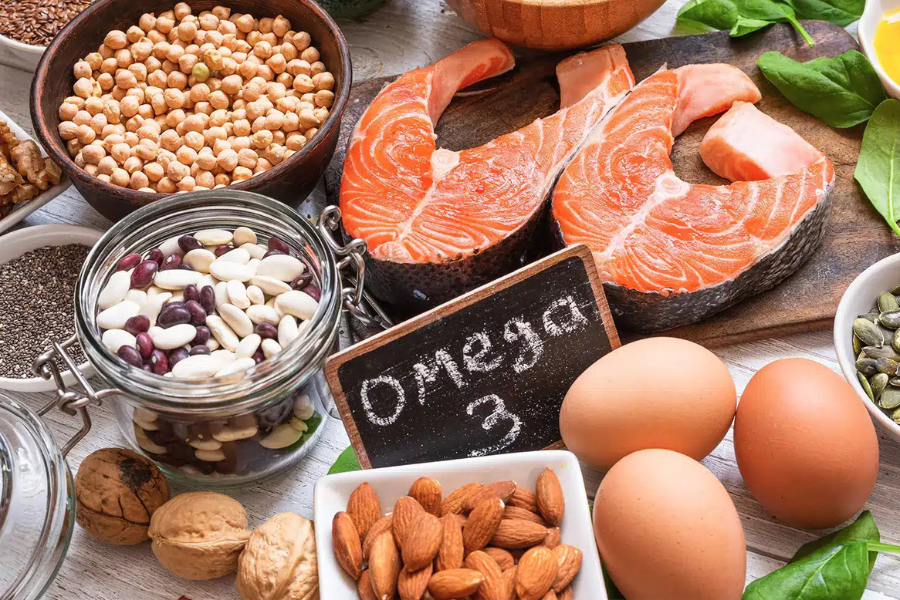
- ALA (alpha linolenic acid), from plants such as flaxseeds, chia seeds, walnuts, and some vegetable oils
EPA and DHA are the forms most closely tied to heart health benefits. They are the ones you usually find in fish oil or prescription omega 3 products. ALA still supports your heart, but your body only converts a small amount of ALA into EPA and DHA, so the effect is less direct (MedlinePlus).
How omega 3s support your heart
Omega 3s work in several ways that matter for your cardiovascular system. None of these make them a magic fix, but together they can support a healthier heart.
Help protect against heart disease
Observational research has linked higher intakes of fish and higher levels of EPA and DHA in the body with a lower risk of heart failure, coronary disease, and fatal coronary heart disease (NIH ODS). That means people who regularly eat more oily fish tend to have fewer serious heart problems over time.
A large 2025 study of adults already living with cardiovascular disease found that those who consumed the most total omega 3 fats from food had lower overall and heart related death rates than those who consumed the least. The benefit was strongest for total omega 3s and especially for plant based ALA (Nature).
These types of studies cannot prove cause and effect, but they support the idea that regularly getting omega 3s through your diet is helpful for your heart.
Lower triglycerides and support healthier blood fats
High levels of triglycerides are a known risk factor for heart disease. Omega 3s, especially EPA, are well known for lowering triglycerides. The REDUCE IT trial tested a high dose prescription form of EPA, 4 grams per day, in adults with high triglycerides who were already on statins. It found a 25 percent reduction in major cardiovascular events and a 20 percent reduction in cardiovascular death (NIH ODS, NHLBI).
A 2021 meta analysis of 38 randomized controlled trials also found that omega 3 supplements, taken overall, were linked with small but significant reductions in cardiovascular death, heart attack, coronary events, and other major heart outcomes (NCBI PMC). EPA alone seemed to provide stronger protection than combined EPA plus DHA.
Modest blood pressure benefits
If your blood pressure runs high, omega 3s may give you a small extra nudge in the right direction. A 2022 analysis of 71 clinical trials found that about 2 to 3 grams per day of combined EPA and DHA reduced both top and bottom blood pressure numbers by around 2 mmHg in adults overall, and by closer to 4.5 mmHg in people who already had high blood pressure (American Heart Association).
This is not enough to replace blood pressure medication if you need it, but it can contribute to your overall plan.
Food first: best omega 3 sources
Before you think about capsules, it helps to look at what you are eating. Most heart experts encourage you to start with food.
The American Heart Association recommends that you eat fish, particularly oily fish, at least two times per week. Each serving is about 3.5 ounces, or 100 grams. Salmon and tuna are classic examples, but mackerel and trout are also rich in EPA and DHA (MedlinePlus).
Non fish options matter too. For plant based omega 3s, you can work ALA rich foods into your daily routine. Examples include:
- Ground flaxseed in yogurt or oatmeal
- Chia seeds in smoothies or overnight oats
- Walnuts as a snack or salad topping
- Canola or soybean oil in cooking
Experts emphasize that whole foods give you more than just one nutrient. Fish and plant sources come with protein, vitamins, minerals, and other helpful compounds that work together to protect your heart, in a way supplements cannot fully copy (MedlinePlus).
When omega 3 supplements might help
If you already eat fish regularly and follow a generally heart healthy diet, you may not gain much from adding a basic low dose fish oil supplement. Large trials such as VITAL and ASCEND, which used 1 gram per day of omega 3s in people without known heart disease, did not show big reductions in major cardiovascular events overall. There were some improvements in specific outcomes like heart attack risk, but not enough to recommend routine use for everyone (NIH ODS).
There are, however, situations where omega 3 supplements can play a useful role.
You have high triglycerides
If your triglycerides are elevated, your health care provider may prescribe a high dose EPA based omega 3 product. The REDUCE IT trial used 4 grams per day of icosapent ethyl and showed meaningful reductions in major heart events in high risk adults on statins (NIH ODS, NHLBI).
The American Heart Association also supports using 4 grams per day of prescription omega 3s to manage very high triglyceride levels under medical supervision (NIH ODS).
You have existing heart disease
For people with known coronary heart disease, the American Heart Association suggests aiming for about 1 gram per day of combined EPA and DHA, ideally from oily fish. If you cannot reach that through food, your doctor may discuss supplements with you (NIH ODS).
Some research suggests that the benefits of omega 3 supplements may be greater if your baseline fish intake is low or you have multiple heart risk factors. In the VITAL trial, people with low fish consumption and African American participants seemed to gain more from supplementation, particularly for heart attack risk (NHLBI).
You cannot or do not eat fish
If you avoid fish because of allergy, preference, or cost, a supplement can help you bridge the gap. In this case, you might consider a standard over the counter fish oil or an algae based EPA and DHA supplement if you prefer a plant derived option.
It is still important to keep your expectations realistic. A supplement is not a replacement for blood pressure medicines, statins, or lifestyle changes your clinician has recommended.
Safety, side effects, and what to watch for
Most people tolerate omega 3 supplements well when they are taken at common doses. Fish oil appears to contain almost no mercury, so this is not usually a concern for supplements the way it can be with certain large fish species in your diet (Mayo Clinic).
That said, there are some important safety points to keep in mind, especially with higher doses:
- Bleeding risk can increase at high intakes. The 2021 meta analysis found that EPA monotherapy was associated with more bleeding events, and overall omega 3 use was linked with a higher risk of atrial fibrillation, a heart rhythm issue (NCBI PMC).
- Very high dose omega 3s, such as 4 grams per day of prescription products, should only be taken under a doctor’s guidance, especially if you are on blood thinners or have bleeding risks.
- Some experts have raised concerns about the potential for oxidation of certain fish oil products and the possibility that this might, in theory, contribute to artery problems. Quality and storage matter here (NHLBI).
- Common mild side effects include fishy aftertaste, burping, or digestive upset. Taking capsules with meals and choosing enteric coated formulas can sometimes reduce this.
The FDA currently allows qualified health claims for omega 3s and heart health but describes the evidence as still inconclusive overall, particularly for lowering blood pressure or preventing heart disease in the general population (American Heart Association).
If you have existing heart disease, hypertension, high triglycerides, or you take medications that affect clotting, it is important that you do not start high dose fish oil on your own. Always involve your clinician so they can adjust your care plan safely.
Most health experts agree that, for heart protection, it is better to focus on whole food sources of omega 3s first, and to reserve supplements for specific needs or under medical guidance (MedlinePlus).
How to choose and use a supplement
If you and your health care provider decide that an omega 3 supplement fits your situation, a few details can help you pick a product and use it wisely.
Look at the label closely
Do not focus just on the total fish oil number in big print on the front of the bottle. Turn the bottle around and check:
- How many milligrams of EPA and DHA are in each serving
- How many capsules equal one serving
- Whether the form is standard fish oil, concentrated fish oil, or prescription omega 3
Compare that with the dose your clinician recommends. For example, if you are aiming for around 1 gram per day of combined EPA and DHA, you might need more than one capsule depending on the product.
Aim for consistency, not perfection
Like most nutrition habits, omega 3 intake works best when you approach it as a long term routine rather than a quick fix. You will likely get more benefit from:
- Eating fish once or twice most weeks
- Adding plant based omega 3 sources to meals
- Taking your agreed upon supplement dose daily if it is part of your treatment plan
Skipping a single serving or forgetting a capsule occasionally will not undo the benefits. Focus on what you do most of the time.
Putting it all together for your heart
Omega 3 supplements for heart health are one helpful piece of a larger picture, not the whole story. Research shows that omega 3s can:
- Support lower triglycerides and modestly lower blood pressure
- Reduce certain heart risks in select higher risk groups, especially at prescription doses
- Contribute to lower cardiovascular mortality when you get them regularly from food
At the same time, very high doses can carry risks such as increased atrial fibrillation and bleeding, particularly with EPA only products, so medical guidance is essential at those levels (NCBI PMC).
If you want to start making changes today, you might choose one simple step:
- Plan a fatty fish dinner this week, such as baked salmon or grilled trout.
- Sprinkle ground flaxseed over your breakfast.
- Schedule a check in with your health care provider to review your heart risk factors and ask whether omega 3 supplements are appropriate for you.
With steady, realistic choices, you can use omega 3s, especially from whole foods, as one more tool to help keep your heart stronger over the long term.
About The Author