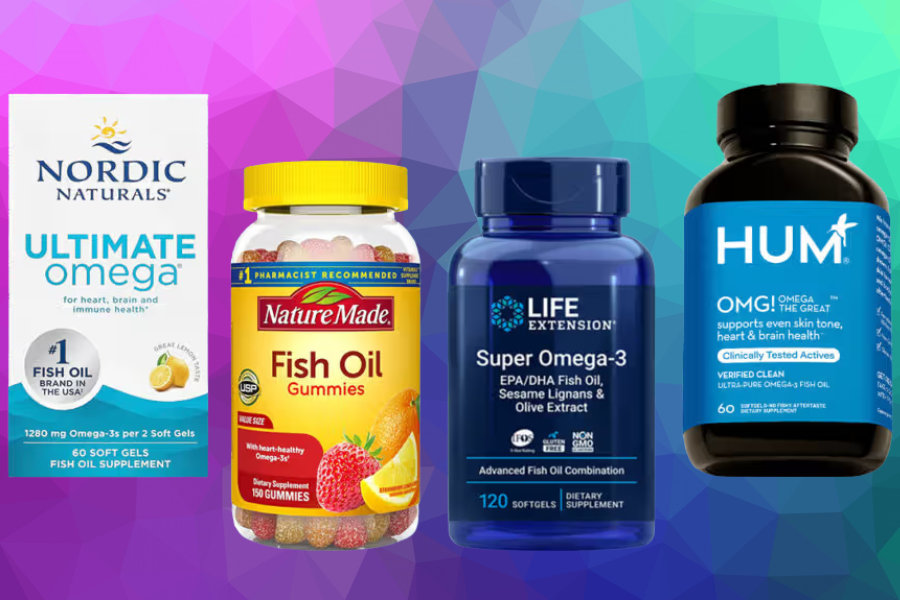
How Omega-3 Supplements Improve Your Brain and Body
Omega-3 supplements are among the few popular supplements that have solid research behind them. They support your brain, heart, and overall health in ways you can often feel, from smoother thinking to calmer moods and healthier triglyceride levels.
This guide walks you through how omega-3 supplements work in your body, what benefits you can realistically expect, and how to use them safely.
Understand what omega-3 supplements are
Omega-3 fatty acids are essential fats, which means your body cannot make them on its own. You must get them from food or supplements.
The main types you see in omega-3 supplements are:
- EPA (eicosapentaenoic acid)
- DHA (docosahexaenoic acid)
- ALA (alpha-linolenic acid), mostly from plants
Most fish oil capsules provide long-chain omega-3s EPA and DHA. A typical 1,000 mg fish oil capsule has around 180 mg EPA and 120 mg DHA, although exact amounts vary by brand (NIH ODS). Plant-based omega-3 supplements usually provide ALA, or algae-based DHA and EPA for vegetarians and vegans.
You can get omega-3s from food like salmon, mackerel, trout, flaxseeds, chia seeds, and walnuts. Health organizations often recommend 250 to 500 mg of combined EPA and DHA per day for generally healthy adults, usually from fatty fish or omega-3 supplements (Healthline).
If you do not regularly eat fatty fish or you follow a plant-based diet, supplements can be a practical way to close the gap.
How omega-3s support your brain
Your brain is rich in fat, and a surprising amount of that fat is made of omega-3s, especially DHA. This makes omega-3 supplements particularly important for your brain.
Brain structure and signaling
DHA is a key building block of brain cell membranes. When your levels are adequate, your brain cells communicate more efficiently and your nerve pathways function more smoothly. Think of it as giving your brain the materials it needs to keep its wiring flexible and responsive.
EPA also plays a role, especially in managing inflammation in the brain. Chronic low-grade inflammation can interfere with how well your brain works, so having enough EPA can be protective over time.
Mood, depression, and anxiety
Research suggests that higher-dose omega-3 supplements can help reduce symptoms of depression and anxiety in some people. Studies using 200 to 2,200 mg per day of omega-3s, particularly EPA-dominant formulas, have shown benefits for mood disorders (Healthline).
Other reviews find that EPA, in particular, appears to be the most effective omega-3 for easing depression symptoms (Healthline). The effect is not instant or universal, and omega-3s are not a stand‑alone cure, but they can be a useful part of a larger treatment plan that you build with your healthcare provider.
For anxiety, some studies show reduced symptoms when people supplement with higher doses of omega-3s. Again, results are mixed, but the overall pattern is promising enough that many clinicians consider omega-3s as an add‑on option, especially for people who also need heart or triglyceride support.
Cognitive function and focus
Because omega-3s improve cell membrane function and may reduce inflammation, they are being studied for focus and attention as well. Some research suggests that omega-3 supplements can modestly reduce ADHD symptoms in children, including inattention and hyperactivity, although findings are mixed and not strong enough to replace standard treatments (Healthline).
In adults, adequate omega-3 intake is associated with healthier aging brains and may support memory and processing speed, especially when combined with a balanced diet and regular exercise.
How omega-3s benefit your body
Omega-3 supplements do more than support your brain. They influence many systems in your body, from your heart and blood vessels to your immune response and hormones.
Heart health and triglycerides
Heart health is where omega-3 supplements have some of the strongest evidence.
- In one large study with 11,000 participants, people taking 850 mg of combined EPA and DHA daily for 3.5 years had a 25 percent lower risk of heart attack and a 45 percent lower risk of sudden death (Healthline).
- Prescription-strength omega-3s have consistently lowered triglyceride levels by roughly 15 percent or more across many trials, especially at doses up to 4 grams per day (NIH ODS).
High‑dose EPA in the form of 4 g per day icosapent ethyl reduced cardiovascular events by 25 percent and cardiovascular death by 20 percent in high‑risk adults on statins in the REDUCE‑IT trial (NIH ODS). This is a prescription medication, not an over‑the‑counter supplement, but it highlights how powerful targeted omega-3 therapy can be.
At more typical supplement doses around 1 g per day, results are more modest. Large trials like VITAL and ASCEND did not show big reductions in major cardiovascular events overall, although some subgroups still saw fewer heart attacks and cardiovascular deaths (NIH ODS).
Health experts generally prefer that you get most of your omega-3s from fatty fish, such as salmon and mackerel, because the evidence for heart protection from seafood is stronger than from supplements alone (Cleveland Clinic, NCCIH).
Inflammation and joint comfort
Omega-3s have well-known anti-inflammatory effects. They help dial down inflammatory molecules that contribute to conditions like heart disease and some types of arthritis (Healthline).
Fish oil supplements are often used for their anti-inflammatory impact and may help manage high triglycerides and rheumatoid arthritis symptoms, sometimes reducing joint tenderness and morning stiffness (Mayo Clinic).
If you live with chronic inflammation, rheumatoid arthritis, or an inflammatory condition, your doctor may already have mentioned omega-3s as a complementary approach alongside your prescribed treatments.
Hormones, menstrual pain, and sleep
Omega-3s interact with hormone pathways, which can lead to benefits you notice in daily life.
A 2023 meta-analysis reported that omega-3 supplements significantly reduced menstrual pain severity and the need for pain relievers, and one study even found omega-3s more effective than ibuprofen for menstrual pain relief (Healthline).
You may also sleep better with adequate omega-3 intake. Supplements that contain DHA appear to improve sleep quality and duration by influencing melatonin and other sleep‑related pathways, with benefits seen in both children and adults (Healthline).
If you tend to have cramping, heavy periods, or trouble sleeping, it can be worth asking your healthcare provider whether omega-3s fit into your broader plan.
Food vs supplements: which should you choose?
You do not have to choose only one or the other, but it helps to be clear on the differences.
Health organizations and major medical centers say that eating seafood, especially fatty fish, has stronger and more consistent evidence for heart protection than taking omega-3 supplements alone (NCCIH, Cleveland Clinic). The World Health Organization recommends 0.25 to 2 grams of EPA plus DHA per day, which you can reach with about two servings of fatty fish per week (Healthline).
Supplements become especially helpful if:
- You rarely or never eat fish
- You are vegetarian or vegan
- You have high triglycerides or heart disease and your doctor wants to use higher omega-3 doses
- You have specific conditions your provider believes may respond to omega-3s
If you follow a plant-based diet, you likely get ALA from flaxseeds, chia seeds, and walnuts. While the NIH suggests 1,100 to 1,600 mg ALA per day is adequate for most people (Healthline), your body converts ALA to EPA and DHA quite inefficiently. That is why algae-based EPA and DHA supplements are often recommended for vegetarians and vegans (Healthline).
How much omega-3 you may need
For generally healthy adults, many health organizations suggest 250 to 500 mg of combined EPA and DHA daily, from fatty fish or supplements, to support overall health (Healthline). This is roughly the amount you would get from two servings of fatty fish per week.
If you already have heart disease or heart failure, the American Heart Association recommends about 1,000 mg per day of EPA plus DHA. For people with very high triglycerides, doses up to 4,000 mg per day are used, usually as prescription omega-3s under medical supervision (Healthline).
The FDA and European Food Safety Authority consider up to 5,000 mg per day of combined EPA and DHA safe for most adults, but going above 3,000 mg per day from all sources may increase the risk of bleeding or other issues, especially if you take blood thinners (Healthline, Cleveland Clinic).
For most people, staying in the 250 to 1,000 mg per day range, unless your healthcare provider advises otherwise, is a reasonable goal.
As a simple benchmark, a typical fish oil softgel with 180 mg EPA and 120 mg DHA provides around 300 mg of active omega-3s. You might need one to two capsules daily to reach common intake targets, depending on your diet.
Safety, side effects, and when to be cautious
Omega-3 supplements are widely used and generally considered safe when you take them as directed. In 2012, about 7.8 percent of U.S. adults reported using omega-3 supplements, contributing a modest extra intake of EPA, DHA, and ALA on top of their diets (NIH ODS).
That said, they are not completely risk‑free.
Common mild side effects can include:
- Fishy aftertaste or burps
- Unpleasant taste or bad breath
- Digestive issues like heartburn, nausea, or diarrhea
- Occasionally, headache or bad‑smelling sweat (NCCIH)
Taking fish oil with food and starting at a lower dose often reduces these issues. Enteric-coated capsules can also help with fishy burps.
At very high doses, omega-3s can thin your blood and may increase the risk of bleeding or, rarely, affect immune response (Mayo Clinic, Cleveland Clinic). If you are on blood thinners, have a bleeding disorder, or are scheduled for surgery, it is especially important to discuss omega-3 supplements with your doctor first.
Some products, such as cod liver oil, provide high levels of vitamins A and D in addition to omega-3s. A single tablespoon delivers 2,438 mg of EPA and DHA plus 170 percent of the daily value for vitamin D and 453 percent for vitamin A, so you do not want to exceed one tablespoon at a time to avoid vitamin A toxicity (Healthline).
Prescription omega-3s used to treat very high triglycerides come with specific instructions. You are usually told to:
- Swallow capsules whole without crushing or chewing
- Take them at the same times every day
- Follow a low‑fat, low‑cholesterol diet and exercise plan
- Keep up with lab tests so your provider can monitor your response (MedlinePlus)
If you are considering doses above 1,000 mg per day of EPA and DHA combined, or if you have heart disease, high triglycerides, a mental health condition, or are pregnant, talk with your healthcare provider before you start or change your omega-3 routine. Clinical trials on omega-3 supplements show mixed results for different conditions, so getting individualized advice matters (Cleveland Clinic, NCCIH).
Putting it all together
Omega-3 supplements can be a useful tool for your brain and body when you use them thoughtfully:
- They support brain structure, may ease depression and anxiety in some people, and can help with sleep quality.
- They have some of the best evidence for lowering high triglycerides and supporting heart health, particularly at prescription doses.
- They can reduce chronic inflammation and may help with joint comfort and menstrual pain.
- They work best alongside, not instead of, a balanced diet rich in fatty fish or plant omega-3 sources.
If you want to start, consider tracking how often you eat fatty fish first. From there, you can decide whether a daily omega-3 supplement makes sense for you and then confirm the right type and dose with your healthcare provider. This way, you get the benefits of omega-3s while staying on the safe side.
About The Author