Tone Your Shoulders With This Friendly Workout for Ladies
A strong, sculpted upper body starts with your shoulders. A consistent ladies shoulder workout does more than help you fill out a tank top. It supports your posture, makes everyday lifting feel easier, and protects your neck and back from strain. With a few smart moves and light weights, you can build strength safely at home or in the gym.
Below, you will find a friendly, step by step shoulder routine designed specifically for women. You will also learn why these muscles matter so much for your health, how to warm up properly, and how to progress over time without overdoing it.
Understand your shoulder muscles
When you think about a ladies shoulder workout, you may picture only the rounded cap of the shoulder. In reality, several muscle groups work together to move and stabilize your shoulders.
The key players are your deltoids, the muscles that create the rounded shape of your shoulders. They have three parts: the anterior (front), lateral or medial (side), and posterior (rear) delts. Each head helps lift your arm in a slightly different direction.
Supporting these are your rotator cuff muscles, the rhomboids between your shoulder blades, and the trapezius that runs from your neck down your upper back. Building strength around your shoulder blade is essential for joint stability and can help prevent shoulder pain and injury, as posture specialist Geoff Rose, CPT, emphasizes in his work on scapular strength and stability.
When your whole shoulder complex is strong, you stand taller, your yoga poses feel steadier, and everyday lifting motions become easier and safer.
Warm up for safe shoulder training
Before you pick up any weights, give your shoulders a few minutes of focused movement. A proper warm up increases blood flow, improves mobility, and prepares the joint for load.
You can use dynamic stretches such as standing straight arm circles, shoulder wall angels, band pull aparts, banded shoulder external rotations, and banded face pulls. These moves gently take your shoulders through full ranges of motion so you feel ready instead of stiff.
Aim for 5 to 8 minutes of warm up. Move slowly and stay just shy of pain. Your shoulders should feel warm and loose, not tired, by the time you start your first set.
A good rule of thumb: if your first working set feels shaky or restricted, you likely need a longer or more focused warm up.
Build your beginner friendly ladies shoulder workout
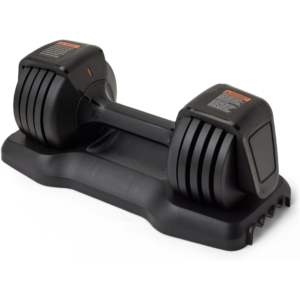
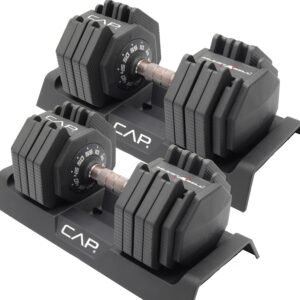
For a simple but effective ladies shoulder workout, choose 3 to 5 exercises that cover all major shoulder muscles. To start safely, use light weights such as 3 to 5 pound dumbbells or a light resistance band. Focus on form first and intensity second.
You can perform this routine once a week as part of a total body workout. As you gain confidence, you may repeat it twice weekly, leaving at least one rest day between shoulder focused sessions.
1. Overhead shoulder press
The overhead press is one of the best shoulder exercises for ladies. It primarily targets your anterior delts but also works your triceps and upper back.
How to do it:
Sit or stand tall with a dumbbell in each hand at shoulder height, palms facing forward or slightly inward. Brace your core and press the weights overhead until your arms are almost straight but not locked. Lower slowly back to shoulder level.
Start with 2 to 3 sets of 8 to 12 reps using a weight that feels challenging by the last few reps but does not cause you to arch your back or shrug your shoulders toward your ears.
If traditional overhead pressing bothers your shoulders, a landmine press can be a smart alternative. The landmine setup lets you press in a diagonal path instead of straight overhead, which often feels friendlier on the joint while still training your anterior and lateral delts.
2. Lateral raise
Lateral raises shape the sides of your shoulders, which helps create that rounded, defined look many women want.
How to do it:
Stand with a dumbbell in each hand at your sides, palms facing in. With a slight bend in your elbows, lift your arms out to the sides until they reach shoulder height. Keep your shoulders down and relaxed rather than shrugging up. Lower slowly with control.
Use very light weights here, often lighter than your overhead press. Aim for 2 to 3 sets of 10 to 15 reps. If you feel your neck taking over, lower the weight or reduce your height slightly.
3. Rear delt fly
Rear delt flies target the back of your shoulders and the muscles between your shoulder blades. These often under trained areas are crucial for posture and for balancing the work you do on the front of your body.
How to do it:
Hinge forward at the hips with a flat back, holding a dumbbell in each hand, palms facing each other. Let your arms hang down below your shoulders. With a soft bend in your elbows, raise the weights out to the sides until they are in line with your body. Think about squeezing your shoulder blades gently together at the top before lowering with control.
Start with 2 to 3 sets of 10 to 12 reps. Use a weight that allows you to move smoothly instead of jerking or swinging.
4. Upright row or banded pull apart
Exercises like the Upright Row, Banded Pull Aparts, and similar pulling movements help strengthen your upper back and shoulders together.
If you enjoy bands, a banded pull apart is an accessible option at home. Hold a resistance band at shoulder height with your arms straight in front of you, then pull the band apart by moving your hands out to the sides, squeezing between your shoulder blades, and keeping your shoulders down. Slowly return to the starting position.
Perform 2 to 3 sets of 10 to 15 reps. Focus on smooth tension rather than snapping the band.
If you prefer dumbbells and have healthy shoulders, a light upright row can also fit into your ladies shoulder workout. Stand tall, hold a dumbbell in each hand at your thighs, palms facing your legs. Pull your elbows up and out to shoulder height while the weights travel close to your body. Stop if you feel any pinching and keep the range comfortable.
5. External rotation for rotator cuff
Small, controlled external rotation exercises help protect your shoulder joint by strengthening the rotator cuff.
How to do it:
Attach a light resistance band at waist height. Stand side on to the anchor with the band in the hand furthest from the anchor. Keep your elbow glued to your side at a right angle. Rotate your forearm out, away from your body, then slowly back in.
Because these are stability exercises, use very light resistance and move slowly. Try 2 sets of 12 to 15 reps per side, focusing on smooth motion without swinging.
Try a no equipment shoulder session
If you prefer to work out at home with no equipment, you can still build strength and mobility in your shoulders.
Bodyweight and mobility based moves such as wall angels, Y T W raises on the floor or a bench, inchworms, and modified pushups all challenge your shoulders in a joint friendly way. You can also add simple movements like arm circles, scapular pushups, and plank variations to create a short shoulder focused circuit.
Set a timer for 15 to 20 minutes and rotate through 3 to 4 moves, resting as needed. Your goal is steady effort and good form, not exhaustion.
Choose the right sets, reps, and frequency
For muscle tone and moderate strength gains, working mostly in the 8 to 12 rep range is a solid starting point. Many strength coaches recommend using roughly 70 to 80 percent of your estimated one rep max for this hypertrophy range, which simply means the last 2 reps of a set feel challenging but still controlled.
Instead of worrying about how many individual workouts you do, think about your total weekly shoulder training volume. A practical target is about 9 to 15 working sets for your shoulders per week at that moderate intensity, spread across one or two sessions. This gives your muscles enough stimulus to change while leaving room to recover.
You can apply progressive overload by:
- Gradually increasing the weight
- Adding a few reps to each set
- Adding an extra set for one or two key exercises
- Slowing down the lowering portion for more time under tension
Only change one variable at a time and give your body at least a week or two to respond before increasing again.
Support your health beyond aesthetics
A regular ladies shoulder workout does more than build shape and definition. It supports several important aspects of your long term health.
Strength training, including shoulder focused exercises, has been shown to offer heart health benefits that are comparable to traditional cardio, with about 20 to 30 minutes of training associated with reduced risk of heart attack and stroke in research from St. George’s University of Grenada in 2018. This means your shoulder day contributes to cardiovascular protection, not just muscle tone.
Resistance training can also help strengthen your bones and support bone density, which is especially important for women as they age and face higher risk of osteoporosis and brittle bones. Strong muscles tug on bones in a way that signals your body to maintain and even build bone mass over time.
On top of that, a 2018 study found that strength training significantly improved mental health markers by reducing symptoms of anxiety and depression. Regular movement, focused breathing, and a sense of progress can leave you feeling calmer, more confident, and more resilient, not only in the gym but in everyday life.
Cool down and care for recovery
Your workout does not end with the last rep. A short cool down helps your shoulders recover and stay comfortable between sessions.
Include a few gentle static stretches such as a shoulder cross body stretch, an overhead triceps stretch, and a chest doorway stretch. Hold each for 20 to 30 seconds and breathe slowly.
Outside of your session, treat your recovery with the same respect as your training. Sleep, hydration, and regular movement throughout the day all give your body the resources it needs to adapt to your new routine.
Put your ladies shoulder workout into action
You do not need heavy weights or long gym sessions to build strong, sculpted shoulders. By focusing on a handful of smart exercises, working in a comfortable rep range, and paying attention to warm up and recovery, you create a routine that is both effective and sustainable.
If shoulder training is new for you, start with one workout per week that includes overhead presses, lateral raises, rear delt work, a pulling movement, and some gentle external rotations. As these moves begin to feel familiar, you can increase your sets, reps, or frequency gradually.
Choose one exercise from this guide to try in your next workout. Notice how your posture, confidence, and everyday strength improve as you make shoulder training a regular part of your fitness routine.
About The Author