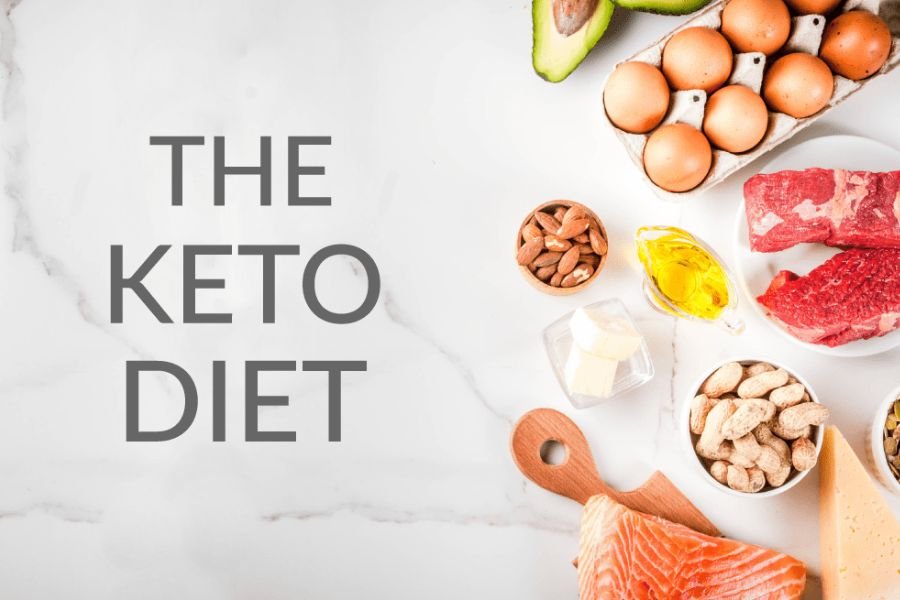
How Keto Diet Foods Can Make Your Weight Loss Easier
A keto diet can feel complicated until you focus on one simple idea: the right keto diet foods quietly do a lot of weight loss work for you. By filling your plate with low carb, high fat, and moderate protein options, you make it easier to stay satisfied, control cravings, and keep your body in fat burning mode.
Below, you will learn how keto diet foods help you lose weight, which ones to prioritize, and how to turn them into simple meals that fit your life.
Understand how keto diet foods support weight loss
On a ketogenic diet, you cut most carbs and increase your fat intake so your body shifts into ketosis. In ketosis, you burn fat for fuel instead of relying on glucose from carbs like bread, pasta, or sugar. Most keto approaches limit carbs to roughly 20 to 50 grams per day, not counting fiber, which your body does not digest (Healthline).
When you choose the right keto diet foods, three helpful things happen at once. Your blood sugar stays steadier, your hunger tends to calm down, and your body is more likely to tap into stored fat. That combination can make it easier for you to stick to a calorie deficit without feeling constantly deprived.
Keto is not one size fits all either. There are stricter versions such as the Classic Keto Diet, more flexible versions like the Modified Keto Diet, and user friendly approaches such as the Modified Atkins Diet. Each style adjusts the balance of fat, protein, and carbs, but they all rely on a core group of low carb, higher fat foods to keep you in ketosis (UC Davis Health).
Choose low carb vegetables that fill you up
Non starchy, low carb vegetables should be on your plate every day. They add volume, fiber, and important vitamins with very few net carbs, which is exactly what you want on keto.
Leafy greens like spinach, kale, swiss chard, collard greens, romaine lettuce, and arugula are especially useful. They are low in carbs, high in fiber, and packed with antioxidants and micronutrients (Ketogenic.com). You can pile them into salads, sautés, omelets, and soups without blowing your carb limit.
Vegetables like peppers, zucchini, and other summer squashes are also keto friendly and versatile (Healthline). Grilled zucchini can replace pasta, cauliflower rice can replace white rice, and roasted broccoli can stand in for potatoes at dinner.
You do need to be more cautious with higher carb vegetables. Sweet potatoes, yams, and butternut squash are more likely to push you over your daily carb target, so they are usually limited or avoided on keto. Some middle ground vegetables, such as rutabaga or cooked carrots, can fit in moderate amounts if you track your carbs carefully (Ketogenic.com).
Use healthy fats to stay satisfied
One of the biggest mental shifts on a keto diet is learning to embrace fat. Fat becomes your primary energy source, so low fat products and fat free snacks are no longer your friends. They usually rely on added sugars to taste good, which works against ketosis (Healthline).
Instead, you focus on healthy fats that give you steady energy and help you feel full between meals:
- Avocados and avocado oil
- Olive oil
- Nuts and seeds
- Fatty fish
- Full fat dairy such as Greek yogurt and cheese
Avocados are a standout keto food. They are naturally low in carbs, high in fiber, and rich in heart friendly monounsaturated fats. They may support cholesterol management and blood sugar balance, which is especially helpful when you are relying on fat for fuel (Ketogenic.com, Healthline).
Nuts like pistachios, walnuts, almonds, pecans, cashews, and Brazil nuts help you add both healthy fats and plant based protein. Regular nut intake is linked with a lower risk of heart disease and deaths from cancer, diabetes, and respiratory illnesses (Healthline). A small handful can turn a light snack into something that actually holds you over.
Seeds, especially flax seeds, are another powerful option. A quarter cup of flax seeds contains about 11 grams of fiber, 7 grams of protein, and 18 grams of fat, about half from omega 3s. They provide anti inflammatory fats and may help protect against heart disease, cancer, diabetes, and degenerative brain diseases (Healthline). Sprinkle them over yogurt, salads, or blend them into smoothies.
One type of fat you do want to avoid is artificial trans fat. These are often found in highly refined oils and processed baked goods and snacks. They significantly increase the risk of heart disease and typically appear on labels as “partially hydrogenated oils” or “shortening” (Healthline).
Build your meals around quality protein
Protein is crucial on keto because it protects your lean muscle while you lose weight. It also has a strong impact on satiety, so it helps you avoid constant nibbling.
Eggs are a classic keto staple. One large egg contains less than 1 gram of carbs and about 6 grams of protein, plus important nutrients like antioxidants in the yolk that support eye health (Healthline). You can enjoy them boiled, scrambled, fried in olive oil, or baked into frittatas.
Seafood such as salmon, sardines, and mackerel are nearly carb free and rich in omega 3 fats. Those omega 3s may help manage blood sugar and insulin levels, and current guidelines suggest adults eat 8 to 10 ounces of seafood per week (Healthline). Grilled salmon with a side of leafy greens and avocado can easily become a go to keto dinner.
Full fat Greek yogurt is another useful protein source if you tolerate dairy. A 150 gram serving provides around 13 grams of protein, 6 grams of fat, about 6 grams of carbs, and about 15 percent of your daily calcium needs. It also contains probiotics that support digestion (Healthline). As long as you account for the carbs, you can top it with chia seeds, ground flax, or a few berries for a satisfying breakfast or snack.
If you prefer meat and poultry, focus on unprocessed options like chicken thighs, turkey, beef, and pork. Skip breaded, sweetened, or heavily sauced versions that add sneaky carbs from coatings and glazes.
Be smart and selective with fruit
Fruit can be tricky on keto because many varieties are naturally high in sugar and net carbs. Fructose, the primary sugar in fruit, can raise blood sugar and make it harder for you to stay in ketosis if you overdo it (Ketogenic.com).
Instead of avoiding fruit completely, you can choose lower carb options in modest portions. Berries such as strawberries, blackberries, and raspberries tend to be more keto friendly. They provide vitamins, fiber, and anti inflammatory compounds without as many net carbs as fruits like bananas or apples (Ketogenic.com, Healthline).
Some keto plans also allow small portions of high fiber fruits like raspberries as an occasional treat, especially when you are active and your total carb intake is still within range (UC Davis Health).
If you are early in your keto journey, it often helps to keep fruit limited at first. Once you are confident about tracking your carbs, you can experiment with adding a few berries into yogurt, salads, or snacks and watch how your body responds.
Know which foods to avoid to protect ketosis
Avoiding certain foods is just as important as choosing the right ones. When you go over your daily carb limit, your body quickly shifts back to burning glucose instead of fat, which makes weight loss harder.
High carb foods that typically do not fit on a keto diet include:
- Refined carbs such as bread, pasta, and rice
- Starchy vegetables like potatoes
- Most desserts and sugary snacks
- Sweetened dairy products
- Grains like quinoa and millet
- Legumes including beans and lentils
These foods can easily push you past 20 to 50 grams of carbs per day, which is the usual range needed to maintain ketosis (Healthline). Many people are surprised by how quickly carbs add up from just a slice of bread or a small serving of rice.
Beverages are another common trouble spot. Beer, sugary cocktails, sweetened fruit juices, and regular soda can contain an entire day’s worth of carbs in a single serving. For example, a 12 ounce can of Coca Cola contains about 39 grams of carbs (Healthline). Swapping these for water, sparkling water, black coffee, or unsweetened tea makes it much easier for you to stay in ketosis.
Even condiments can be sneaky. Honey, maple syrup, ketchup, barbecue sauce, and sweet chili sauce often contain large amounts of sugar. One tablespoon of honey has roughly 17 grams of carbs and maple syrup has around 13 grams, enough to disrupt ketosis if you use them freely (Healthline).
Turn keto diet foods into easy meals
Knowing which keto diet foods to eat is helpful, but you still need simple ways to put them together. You do not have to cook elaborate recipes for every meal. A few basic combinations can carry you through your week.
Whole Foods Market created a 7 day keto friendly meal plan that shows how straightforward and satisfying keto eating can look. The plan emphasizes low carb, higher fat meals such as prime rib, sea bass, and colorful veggie sides. Snacks like celery, cucumber, and carrots with chipotle dipping sauce help you stay on track between meals (Whole Foods Market).
Breakfast often focuses on eggs and high protein options. Examples include Egg White Omelet Bites, keto friendly yogurt topped with chia seeds or ground almonds, and “egg boats” made with avocado and baked eggs (Whole Foods Market). You can adapt those ideas easily based on what you enjoy and what you have on hand.
Dinners can be as simple or as creative as you like. Keto friendly ideas include:
- Herbed prime rib roast with riced cauliflower and steamed broccoli
- Pizza style stuffed portobello mushrooms with cheese and low carb toppings
- No cook zucchini “noodle” salad with sausage
- Roasted salmon stuffed with spinach, feta, and ricotta (Whole Foods Market)
For snacks and quick bites, foods like cheese boards, Parmesan crisps, pork rinds, shishito peppers, keto friendly bars, and breakfast sausage patties can all support your target fat and protein intake, as long as you read labels and avoid hidden sugars (Whole Foods Market).
That same plan also shows you how to make keto realistic when life is busy. Using leftovers for future meals, grabbing rotisserie chicken or sashimi when you do not feel like cooking, and prepping sauces or chopped veggies ahead of time all help you maintain a keto lifestyle in a practical way (Whole Foods Market).
Simple rule of thumb: if your plate has a protein source, a generous serving of low carb vegetables, and a visible source of healthy fat, you are probably building a keto friendly meal that supports weight loss.
Take care of your health while you lose weight
Like any major diet change, keto affects more than just your weight. It can influence your electrolytes, cholesterol levels, and overall nutrient intake, so it is important to pay attention to your body and work with a healthcare professional when needed.
People on keto tend to lose more salt and sodium than those eating higher carb diets. You might need to intentionally add a bit more salt to your food and make sure you are staying hydrated. Many individuals on strict keto also benefit from a multivitamin with minerals to cover potential gaps in nutrients (UC Davis Health).
Before you start a keto diet, it is wise to get a baseline blood test that includes your lipid panel. Some people see an increase in LDL cholesterol on keto, while others see an increase in HDL cholesterol and a drop in triglycerides. Follow up testing after three to six months can help you and your provider see how your body is responding and whether you need any adjustments (UC Davis Health).
Most importantly, notice how you feel. If you are constantly exhausted, overly restricted, or experiencing concerning symptoms, your current version of keto might not be right for you. You can refine your food choices, adjust your carb level slightly, or explore a more flexible style of low carb eating.
Putting it all together
Keto diet foods make weight loss easier by:
- Keeping your carbs low enough for ketosis
- Providing steady energy through healthy fats
- Delivering enough protein to protect muscle
- Adding fiber and nutrients from low carb vegetables and select fruits
You do not have to overhaul everything at once. You can start by swapping one high carb meal for a keto friendly alternative, or by building one plate today with a protein, leafy greens, and a healthy fat like avocado or olive oil. As those small changes stack up, you will find it much easier to stay consistent and let your food quietly support your weight loss goals.
About The Author