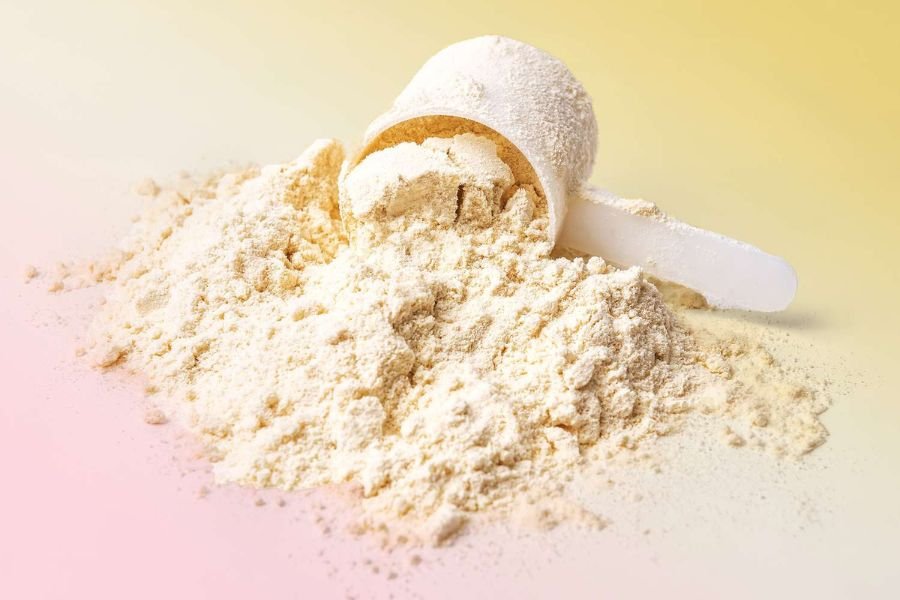
Is Whey Protein Powder Good for Weight Loss
A scoop of whey in a shaker bottle looks simple, but if you are trying to lose weight you probably have one big question in mind: is whey protein good for weight loss, or is it just for bodybuilders? The short answer is that whey can absolutely support fat loss, especially when you use it to control hunger, protect muscle, and stay in a calorie deficit. The longer answer is that how you use it matters more than the fact that you use it.
Below, you will see what research actually says, how whey compares with other protein powders, and practical ways to make it work in your routine.
How whey protein can support weight loss
You lose weight when you consistently eat fewer calories than you burn. Whey protein does not magically melt fat, but it makes the core habits of weight loss easier.
Whey is a high quality, fast digesting protein that is rich in branched chain amino acids, especially leucine. Those amino acids help your body build and maintain lean muscle, which keeps your metabolism from dropping too much while you are eating fewer calories (PubMed). At the same time, protein is the most filling macronutrient, so it can keep you satisfied on fewer calories.
In practice, that means you can use a whey shake to replace a more calorie dense snack or meal, feel just as full, and gradually lose body fat while preserving muscle.
What the research says about whey and fat loss
Several studies have looked at whether whey protein is good for weight loss, and the results are encouraging when you pair whey with a calorie deficit.
In one 12 week randomized, double blind trial, obese adults followed a diet that was 500 calories below maintenance and either took a specialized whey fraction called Prolibra or a control drink. Those who used the whey supplement lost significantly more body fat, about 2.81 kilograms versus 1.62 kilograms in people who completed the study, and 3.63 kilograms versus 2.11 kilograms in those who responded best (Nutrition & Metabolism). That difference is meaningful when you are aiming for steady, sustainable progress.
The same study found that people taking the whey supplement kept more lean muscle. In a responder analysis, they lost around 1.07 kilograms of lean mass compared with 2.41 kilograms in the control group (Nutrition & Metabolism). In other words, a greater share of the weight they lost came from fat, not muscle.
To highlight that effect, the researchers calculated a ratio of fat loss to lean loss. In those using the whey fraction, this ratio was 3.75 in completers and 3.39 in responders, compared to 1.05 and 0.88 in the control group (Nutrition & Metabolism). Higher numbers mean more fat lost for every unit of lean mass lost.
Overall, participants taking Prolibra lost 6.1 percent of their body fat mass over 12 weeks, above the 5 percent reduction that is considered clinically significant for lowering the risk of obesity related diseases (Nutrition & Metabolism). Interestingly, they did this with an additional 20 grams of protein per day from the supplement, without raising total protein intake much above the standard 0.8 grams per kilogram recommendation. That suggests whey can help even when you are not on a very high protein diet.
Other summaries of multiple trials support similar ideas. Reviews note that whey protein may help improve body composition by promoting muscle protein synthesis and supporting better glucose and insulin responses, although current evidence is not strong enough to set a universal dose or duration for weight loss (PubMed). Still, the trend is that whey contributes to fat loss and muscle preservation when you also manage your calories.
Why protein is so powerful for appetite and metabolism
To understand why whey is useful, it helps to look at protein in general. When you increase your protein intake, several helpful things happen at once.
Protein increases energy expenditure. Digesting and metabolizing protein costs your body more calories than processing carbohydrates or fats. Research suggests that a higher protein intake can raise daily energy expenditure by roughly 80 to 100 calories per day, even if you do not change anything else (Healthline).
Protein also helps control hunger hormones. Higher protein meals and snacks reduce levels of ghrelin, which is often called the hunger hormone, and increase hormones such as GLP 1, peptide YY, and cholecystokinin that signal fullness. This combination helps you feel satisfied for longer and less likely to overeat later in the day (Vinmec).
In one study, people who ate a high protein yogurt snack in the afternoon ended up eating about 100 fewer calories at dinner compared with those who had crackers or chocolate with the same calorie content (Vinmec). The takeaway for you is that swapping in a protein rich option, such as a whey shake, can quietly lower your overall intake by curbing later cravings.
Because of these effects on satiety and metabolism, protein can reduce total daily calorie intake by up to about 441 calories in some cases, which adds up to significant weight loss over weeks and months (Healthline).
When you ask whether whey protein is good for weight loss, what you are really asking is whether you can use it to eat fewer calories without feeling deprived and to keep your muscle while you do it. The evidence suggests you can.
Whey protein vs casein for weight loss
You might also be wondering how whey compares to casein, another milk derived protein. Both come from dairy, but they behave differently in your body.
Whey is absorbed quickly. It is ideal when you want a fast hit of amino acids, for example around workouts or when you need a convenient, light snack. Casein digests more slowly and forms a gel in your stomach. That gel like texture helps you stay full longer and provides a gradual release of amino acids, which can support metabolism and appetite control over several hours (Forbes).
Some nutrition experts point to casein as especially helpful for weight loss because of that steady, long lasting effect. Dietitian Erin Sparrold notes that casein’s gel in the stomach helps with both appetite control and a slow drip of amino acids to fuel your muscles and metabolism (Forbes). Products like Optimum Nutrition Casein are often recommended in weight loss lists for this reason, although they can be pricier per serving than typical whey options (Forbes).
Whey still holds its own. It is widely available, usually more affordable, and has strong evidence behind its role in fat loss and lean mass preservation. For many people, the best choice is whichever protein you will consistently use, or a mix of both. For instance, you might use whey earlier in the day and, if it suits your budget and digestion, casein at night.
Best times to take whey for weight loss
You might have seen advice that you must drink whey within a strict “anabolic window” after working out. For weight loss, timing is more flexible. Your total protein intake over the day matters more than the exact minute you drink your shake.
That said, certain times can make whey work harder for you.
Morning for appetite and cravings
Taking whey in the morning can help you start the day with a solid dose of protein. This can support metabolism and reduce hunger throughout the morning by providing amino acids that encourage lean muscle maintenance and a mild calorie burn (Natural Force).
Some nutrition writers note that a morning whey shake can reduce cravings for junk foods and snacks later in the day, which makes it easier to stick to a calorie deficit (Natural Force). You might find that a balanced breakfast with whey, fruit, and a little healthy fat keeps you satisfied until lunch without the usual mid morning grazing.
Between meals to prevent overeating
Another effective strategy is to spread your protein intake evenly across the day or use whey as a snack between meals. This can help steady your appetite and reduce the chance of arriving at your next meal overly hungry and more likely to overeat (Vinmec).
For example, you could mix a small scoop of whey with water or milk in the afternoon instead of reaching for cookies or chips. Over time, this kind of swap can trim hundreds of calories per week with very little extra effort.
Before or after workouts for muscle support
Post workout whey is still useful, mainly for muscle repair and growth rather than directly for weight loss. Combining whey with strength training can promote both fat loss and gains in lean muscle. One review notes that replacing other calorie sources with whey, while lifting weights, can lead to roughly 3.5 kilograms, or about 8 pounds, of weight loss while increasing lean mass (Healthline).
If your primary goal is fat loss, you can treat workout shakes as part of your daily calorie budget and choose the timing that feels best for your energy and recovery.
Across studies, there does not appear to be a major difference in weight loss based solely on when you take whey. The key is that your total daily protein is high enough and that whey fits into your overall calorie targets (Vinmec).
How to fit whey into a healthy weight loss plan
To actually see results, you need a plan that combines whey with other habits that support weight loss instead of relying on the supplement alone.
Start by estimating your daily calorie needs, then create a moderate deficit, often about 300 to 500 calories per day for steady progress. Within that, aim for a higher protein intake than the general minimum. Many people find somewhere in the range of 1.2 to 1.6 grams of protein per kilogram of body weight, adjusted with a healthcare provider if needed, works well for supporting fat loss and muscle maintenance.
You can then use whey in a few practical ways:
- As a breakfast anchor, blended with fruit and a handful of oats for a filling start to the day
- As a snack replacement, especially in the afternoon when cravings tend to spike
- As a lighter, higher protein option for a meal if you are short on time
- Around workouts, particularly if you include resistance training
Try to pair whey with some fiber and a bit of healthy fat. For example, you might blend your shake with berries and chia seeds. This slows digestion slightly and keeps you full longer.
At the same time, keep your overall diet centered on whole foods like vegetables, fruits, whole grains, lean meats, legumes, nuts, and seeds. Whey works best as a supplement to a balanced eating pattern, not a replacement for it.
Safety, side effects, and realistic expectations
For most healthy people, higher protein diets that include whey are considered safe and can even support better bone health and a lower risk of fractures, as long as you do not have kidney disease or another condition where your doctor limits protein (Vinmec). If you have any medical conditions or are on medication, it is smart to check in with a healthcare professional before increasing your protein intake significantly.
You might notice mild digestive discomfort at first, especially if you are sensitive to lactose. In that case, choosing a whey isolate, which tends to have less lactose, or starting with a smaller serving can help.
Finally, it is important to set realistic expectations. Reviews of whey and weight management highlight that, while many studies show benefits for body composition and glucose metabolism, the evidence is not yet strong enough to specify an exact dose, timing, or brand that works for everyone (PubMed). Your individual response will depend on your overall calorie intake, activity level, genetics, and consistency.
Bringing it all together
When you step back and look at the evidence, whey protein is good for weight loss if you use it strategically. It helps you control hunger, slightly boosts calorie burn, and protects your muscle while you lose fat. Studies show that adding whey to a calorie reduced diet can lead to greater fat loss and better lean mass retention than dieting alone (Nutrition & Metabolism).
Your next step is simple. Decide where a whey shake would most easily fit into your day, perhaps as a higher protein breakfast or a smarter afternoon snack. Try that change consistently for a couple of weeks, keep an eye on your overall calories, and see how your energy, hunger, and progress respond. Then you can adjust, and if it is working for you, build from there.
About The Author





