Is Pilates actually a good exercise?
What Pilates actually is
When you ask, “is Pilates actually a good exercise,” it helps to first be clear on what Pilates really involves.
Pilates is a low impact form of exercise that focuses on precise movements, controlled breathing, and steady muscle engagement. It was originally developed to help dancers recover from injury, but it has grown into a mainstream way to build strength, improve posture, and move with more ease in daily life (WebMD).
In most classes, you use your body weight, light resistance, and gravity instead of heavy loads. You work slowly and intentionally, which is why people often describe Pilates as a blend of strength training, stretching, and mindfulness. Sessions usually last 45 to 60 minutes and are moderate in intensity, which makes them approachable if you are returning to exercise or managing certain health conditions (WebMD).
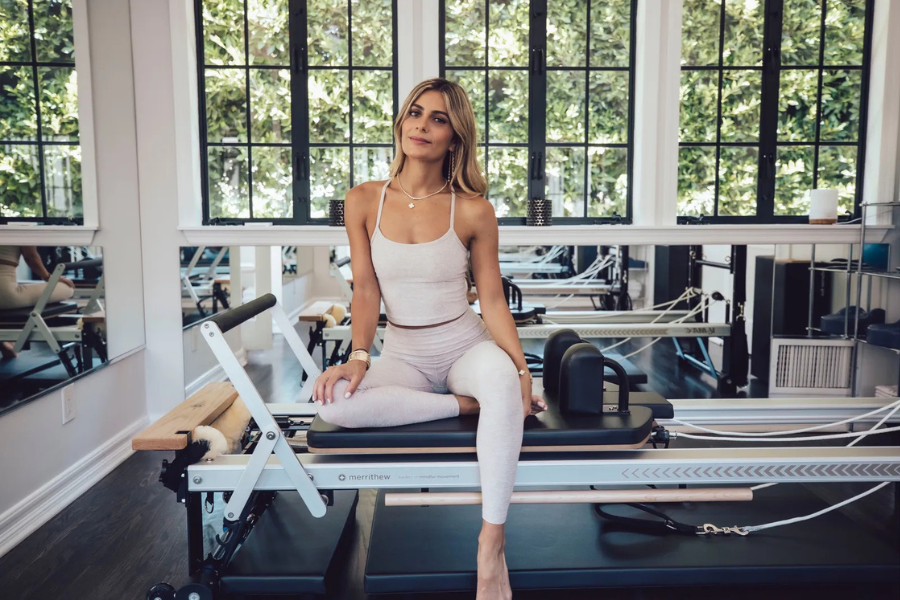
You can practice Pilates on a mat or on equipment such as a reformer or a magic circle. The equipment is not required, but it can add resistance, support, and variety to your workouts (The Paseo Club).
How Pilates benefits your body
Pilates has a reputation for giving you a strong, lean look, and that image is not entirely off. What matters more though is how it changes the way you move and feel.
Pilates puts a big emphasis on your core, including the deep abdominal muscles, pelvic floor, and muscles around your spine. Strengthening these areas improves stability and protects your back, which is why Pilates is often used for pain relief and posture work (The Paseo Club). Research shows that Pilates effectively engages these stabilizing muscles and can improve lumbo pelvic stability over time (PMC – National Library of Medicine).
Although the core is the main focus, you are not just working your abs. Many movements train your arms and legs too, because you need the whole body to stabilize and control each exercise. This makes Pilates a solid option if you want to build balanced strength and muscle tone without high impact moves or heavy lifting (WebMD).
Regular Pilates can also increase your endurance, flexibility, posture, and balance. A review of Pilates programs found that the method uses roughly 50 simple, repetitive exercises that can be adapted for gentle rehab or more athletic training, all designed to improve your overall physical function (PMC – National Library of Medicine).
Is Pilates good for strength?
If you are wondering whether Pilates actually makes you stronger, the answer is yes, but in a specific way.
Pilates sessions typically use body weight or light resistance with higher repetitions. This style helps you build strength, particularly in your core and stabilizing muscles, while also improving mobility and joint health. In other words, it teaches your body to be strong in positions and ranges of motion that you use in real life (Boston University).
A meta analysis of randomized controlled trials found that Pilates increased muscle strength by about 27 percent from before to after the training period. The catch is that this improvement was similar to what people gained with other exercise methods like traditional strength training, so Pilates was not clearly better, just similarly effective (PMC).
That is actually useful to know. If you enjoy Pilates, you can feel confident that you are getting real strength benefits. If you prefer weights, you do not have to switch just because Pilates is popular. Both can work, and you can combine them if you like.
How Pilates supports flexibility and mobility
You often hear that Pilates will “lengthen” your muscles. Technically your muscles do not become longer, but they can move through a greater range with more control.
Pilates improves flexibility by strengthening the core and teaching you to activate muscles while they are in a stretched position. This combination lets you sink into deeper stretches with less risk of strain compared with static stretching alone (ClassPass). Classic Pilates exercises like the 100 series, mermaid side stretch, seal, and saw are designed to challenge both your range of motion and your ability to control that range (ClassPass).
Equipment such as the reformer can also enhance flexibility. Springs and pulleys provide resistance that both strengthens and lengthens muscles as you move through each exercise, which helps your body feel more open and mobile over time (ClassPass).
Reviews of Pilates programs suggest that this method can improve posture and spinal alignment in adults of various ages, often within 8 to 12 weeks when you practice two or three times per week (PMC – National Library of Medicine).
Is Pilates enough for weight loss?
If your main goal is weight loss, Pilates on its own might not be enough, but it can absolutely play a helpful role.
Pilates is usually a moderate intensity workout. You will work hard, but you probably will not reach the same calorie burn as a high intensity interval training (HIIT) session or a long run. That means Pilates is not the most efficient choice if you are relying on exercise alone to create a large calorie deficit (The Paseo Club).
Research suggests Pilates can reduce body weight, body mass index, and body fat percentage in people who are overweight or obese, but the authors note that more and larger studies are needed before making strong claims about weight loss benefits (WebMD).
Experts also point out that Pilates should not be your only strategy if weight loss is your priority. You will likely see better results by combining Pilates with regular cardiovascular exercise, such as brisk walking, cycling, or swimming, along with nutrition changes that support your goals (Boston University).
Where Pilates shines is in making your body feel stronger, more aligned, and more comfortable, which can make it easier to stay active overall. For many people, that indirectly supports weight loss and long term health.
Pilates for pain, posture, and daily life
One of the clearest strengths of Pilates is how it can help you move through everyday life with less pain and more confidence.
By targeting deep abdominal muscles and the pelvic floor, Pilates creates a natural “brace” around your spine. This support can decrease lower back pain, improve hip function, and enhance overall stability, which translates into more ease when you sit, stand, lift, or bend (Healthline).
Multiple randomized controlled trials report that Pilates reduces pain and disability in people with chronic low back pain, and some of these improvements last for at least 12 months after starting a program. That is why Pilates is often recommended as an alternative or complement to traditional back pain treatments (PMC – National Library of Medicine).
Pilates can also improve balance and coordination, which becomes more important as you get older. Better balance means a lower risk of falls and more confidence with activities such as climbing stairs or walking on uneven ground (The Paseo Club). Early studies suggest Pilates may even support fall prevention in older adults and improve functional capacity and quality of life in groups like breast cancer or heart failure patients, though more research is needed in these areas (PMC – National Library of Medicine).
Mental health and mind body benefits
Pilates is not only about physical strength. The mental benefits are a big part of why so many people stick with it.
Every Pilates exercise asks you to match movement with breath and to concentrate on proper alignment. This attention to detail naturally builds body awareness and a stronger mind body connection. You start to notice how you sit, stand, and move throughout the day, which can help you correct habits that cause stiffness or strain (Boston University).
The breathing techniques used in Pilates can also calm your nervous system. Studies indicate that Pilates may reduce stress, ease anxiety and depressive symptoms, and improve sleep, especially in people under 40 years old (Healthline). If you feel tense, overwhelmed, or disconnected from your body, this slower, more intentional style of training might feel like a welcome reset.
Who Pilates is especially good for
One of the biggest advantages of Pilates is how adaptable it is.
Sessions can be tailored for almost anyone, including elite athletes, beginners, older adults, pregnant people, and those with limited mobility or low fitness levels. Instructors regularly adjust exercises to fit your specific needs and capabilities, so you can work at a challenging yet safe level (Better Health Victoria).
Pilates is especially worth considering if you:
- Want to improve posture and core strength
- Have or are recovering from low back pain
- Prefer low impact exercise that is gentle on your joints
- Are returning to movement after a break or injury
- Enjoy slower, more mindful workouts over intense, high impact classes
Because Pilates is gentle on ankles, knees, and shoulders, it can be a smart option if you are managing joint issues or simply want to avoid a lot of pounding on your body (The Paseo Club).
In short, Pilates tends to be very effective when you compare it to doing nothing, and roughly as effective as other exercise when you compare it to activities like strength training or other fitness classes (PMC).
That means you can choose Pilates because you like it, not because you feel you “should” do it.
Limits and drawbacks to keep in mind
No workout is perfect, and Pilates has a few downsides that matter when you are deciding if it is right for you.
First, calories burned are usually moderate. If rapid fat loss is your only goal, you may be disappointed with Pilates alone and will likely need additional cardio and nutrition changes to see the changes you want (The Paseo Club, Boston University).
Second, Pilates often requires guidance, especially in the beginning. Proper form and breathing matter a lot, so working with a qualified instructor is recommended for best results. That can mean extra cost and less convenience compared with workouts you can easily do on your own at home (Better Health Victoria, The Paseo Club).
If you choose equipment based Pilates, you may also need access to specific tools like a reformer or magic circle. Not every gym or studio has them, and home equipment can be pricey (The Paseo Club).
Finally, if you love very intense, sweaty workouts, Pilates may feel too slow or controlled for your taste. You can still use it as a complement to higher intensity training though, especially on days when your body needs something gentler.
How to decide if Pilates is a good exercise for you
To decide if Pilates is actually a good exercise for you, it helps to match what Pilates offers with what you want.
Pilates is likely a good fit if you are looking for:
- Better core strength and posture
- Less back or joint pain
- Improved mobility, balance, and flexibility
- A low impact workout that is gentle on your body
- A more mindful, breath focused way to exercise
If you care most about building maximum muscle size, lifting as heavy as possible, or losing weight quickly through exercise alone, you might want to pair Pilates with more traditional strength training and cardio.
You do not have to choose only one approach. Many people find that two or three Pilates sessions a week, combined with walking, cycling, or weight training, creates a well rounded routine that feels sustainable for the long term (Better Health Victoria).
If you are curious, try a beginner friendly mat class or an introductory reformer session and notice how your body feels during and after. Your own experience will tell you very quickly whether Pilates is not just a good exercise in general, but a good exercise for you personally.
About The Author