Why Your Intermittent Fasting Results Might Surprise You
A lot of people try intermittent fasting expecting quick, dramatic changes. Then a few weeks later, you step on the scale, do not see the number you hoped for, and start wondering if intermittent fasting even works at all.
Intermittent fasting results can be surprising, but not always in the way you expect. Some changes show up sooner than others, some are more about health than weight, and some depend heavily on how you approach your eating window.
Below, you will see what usually happens in your body, what kind of results are realistic, and why your own experience might look different from before and after photos online.
Understand what intermittent fasting actually does
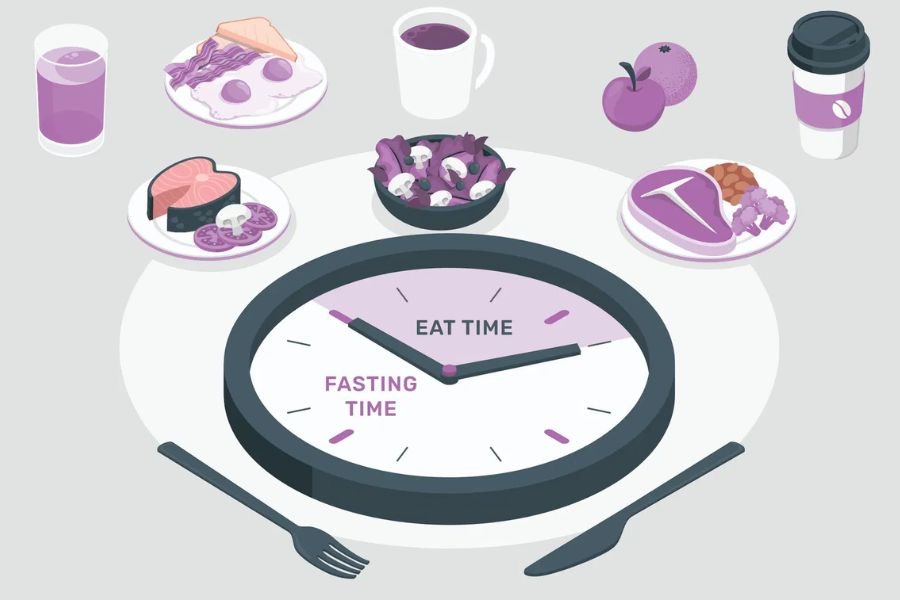
At its core, intermittent fasting is an eating pattern that alternates between periods of eating and not eating. It focuses on when you eat more than what you eat.
Common intermittent fasting schedules include:
- 16:8, fasting for 16 hours and eating within an 8 hour window
- 18:6, a longer fast with a 6 hour eating window
- The 5:2 method, eating normally 5 days a week and having about 500 to 600 calories on 2 nonconsecutive days
- Alternate day fasting, eating very little or nothing every other day
When you go at least 10 to 12 hours without food, your body begins to shift from using glucose as its main fuel source to using stored fat and producing ketones. This metabolic switch from sugar to fat is a key reason intermittent fasting can support weight loss and metabolic health (Nutrients, familydoctor.org, Mass General Brigham).
So if your first question is, “Why am I not losing weight yet?” it helps to know that your body is going through internal changes long before the number on the scale catches up.
Expect a timeline, not overnight transformation
Even though intermittent fasting is popular, your body does not instantly adapt the first week you skip breakfast.
According to familydoctor.org, it usually takes 2 to 4 weeks for your body to adjust to a new fasting schedule, and during that time you might feel hungrier, more irritable, or more tired while your metabolism shifts (familydoctor.org). That transition period can be uncomfortable enough that you assume the approach is not working, even while your cells are adjusting.
Over the first few weeks and months, many people notice:
- Early changes in appetite and bloating. Some people doing a 16:8 schedule report less bloating or IBS discomfort within the first week, although research on gut effects is still emerging (DrRuscio.com).
- Modest weight changes. Clinical trials suggest that in the early weeks, weight loss is usually modest, not dramatic, and it often depends on your total calorie intake and food quality (DrRuscio.com).
- Metabolic improvements. Studies have shown improvements in insulin sensitivity, lower fasting insulin, and better blood sugar control within weeks in some people, even when large weight loss has not yet happened (Nutrients).
You might not feel like a lot is happening, but under the surface your body is gradually becoming more efficient at burning fat and managing blood sugar.
See how weight loss results really compare
If you are hoping intermittent fasting will crush every other diet, the research might surprise you.
A randomized clinical trial that compared alternate day fasting with regular daily calorie restriction found that both approaches led to about 7 percent weight loss at 6 months and around 4.5 percent at 12 months in people with obesity. Alternate day fasting did not provide extra cardiovascular benefits compared to simple calorie restriction (Nutrients).
Other studies have found that intermittent energy restriction, which is similar in spirit to intermittent fasting, works about as well as continuous calorie restriction for weight loss and improving markers like insulin sensitivity and some cancer and cardiovascular risk indicators (Canadian Medical Association Journal).
So what does that mean for you?
Intermittent fasting is often effective for weight loss, but mostly because it helps you reduce your overall calorie intake and stick to a structure more easily. It is not magic, and it is not always faster than a well planned, consistent calorie controlled diet.
Where intermittent fasting can stand out is in how doable it feels. For some people, limiting when they eat is easier than constantly counting calories.
Look beyond the scale for surprising health changes
Even if your intermittent fasting results on the scale seem slow, your health markers might be improving more than you realize.
Research has linked intermittent fasting to several internal changes:
- Improved insulin sensitivity and lower fasting insulin in people at risk of diabetes, including in time restricted feeding trials where insulin levels dropped even when glucose did not change much (Nutrients).
- Reduced visceral and trunk fat, which helps regulate hormones like leptin and adiponectin that control appetite and insulin resistance. These changes are associated with better blood lipids, blood pressure, and inflammation (Nutrients).
- Reduced insulin resistance and fasting insulin when weight loss occurs, an important factor for preventing type 2 diabetes and fatty liver disease (Mass General Brigham).
- In some studies, improvements in disease markers, oxidative stress, and even asthma symptoms when calorie intake is periodically reduced (Canadian Medical Association Journal).
Long term research and animal studies also suggest that intermittent fasting may promote cellular cleanup, called autophagy, which could reduce inflammation and protect cells over time (Mass General Brigham).
In other words, your fasting schedule may be helping your body function better, even if your jeans size has not changed as fast as you hoped.
One of the biggest surprises with intermittent fasting is that your most meaningful results might show up in your labs and energy levels before they ever show up in your mirror.
Understand why your results might differ from others
If you feel like you are “doing everything right” but not getting the same intermittent fasting results as someone on social media, several factors might be at play.
You may be eating more than you think
Simply shrinking your eating window does not guarantee a calorie deficit. If you feel overly deprived, it is easy to overcompensate during your eating hours with large portions or calorie dense snacks. Research in animals has shown that when fasting is paired with overeating on non fasting days, health and weight benefits disappear (Canadian Medical Association Journal).
Paying attention to food quality, portion sizes, and emotional eating during your window can make a big difference. Intermittent fasting is more powerful when you pair it with mostly whole foods and balanced meals.
Your eating window timing matters
Emerging research suggests that earlier eating windows, such as finishing most of your food by late afternoon, may lead to slightly better weight loss, blood sugar control, and gut microbiota diversity than later windows that extend into the evening (DrRuscio.com). Mass General Brigham experts also note that the 16:8 pattern is flexible, but eating earlier in the day may be particularly beneficial (Mass General Brigham).
If you currently eat late at night, shifting your window earlier could improve your results, even if you keep the same total hours of fasting.
Your body might respond more slowly
Clinical observations show that some people experience delayed weight loss with a 16:8 pattern, or do not lose much weight at all. Reasons can include stress, hormonal differences, lack of sleep, and underlying health conditions (DrRuscio.com).
You might also build muscle or retain water, which can temporarily hide fat loss on the scale. Consistency over several months, instead of a few weeks, often reveals changes that are not obvious at first.
You may be more sensitive to side effects
Short term side effects like headaches, hunger, irritability, and fatigue are common while your body adapts to a new eating schedule (familydoctor.org). Some people also notice dizziness or weakness, especially if they have blood sugar issues or are on certain medications. The risk of hypoglycemia is higher in people with diabetes who use antidiabetic drugs (Nutrients).
If these symptoms are intense, they can interfere with your daily life and make it challenging to stick with fasting long enough to see benefits.
Know who should be cautious or avoid IF
Intermittent fasting is not appropriate for everyone, and in some cases it can be risky.
Several sources, including Johns Hopkins Medicine, Mass General Brigham, and familydoctor.org, recommend avoiding intermittent fasting or only doing it under close medical supervision if you:
- Are under 18
- Are pregnant or breastfeeding
- Have a history of disordered eating
- Have diabetes, kidney disease, heart problems, or other chronic conditions
- Are an older adult who is frail or underweight
The main concerns include hypoglycemia, nutrient deficiencies, and triggering disordered eating patterns (Nutrients, Johns Hopkins Medicine, familydoctor.org, Mass General Brigham).
Even if you are otherwise healthy, it is a good idea to check in with your doctor before you start. If you notice symptoms like severe anxiety, headaches, nausea, or big dips in energy, that is a sign to adjust your approach or seek medical advice (Johns Hopkins Medicine).
Make intermittent fasting work better for you
If your intermittent fasting results are not matching your expectations, you do not necessarily have to give up. A few targeted adjustments can make a meaningful difference.
Choose a realistic method
Start with a method that fits your daily life instead of an extreme schedule you cannot maintain. For many people, a 16:8 pattern feels approachable, especially if you naturally eat dinner early or do not get hungry in the morning.
You might:
- Begin with a 12 hour fast overnight and gradually build up to 14 or 16 hours
- Keep the same eating window every day to help your body adapt
- Align your eating window with your most active hours so you can fuel workouts and busy periods
Pair timing with food quality
Intermittent fasting does not tell you exactly what to eat, but your results depend heavily on what fills your plate.
During your eating window, try to:
- Prioritize lean proteins, high fiber vegetables, whole grains, and healthy fats
- Limit ultra processed foods, sugary drinks, and constant snacking
- Stay hydrated with water, herbal tea, and other low calorie fluids during both fasting and eating periods
Balancing your meals can keep you satisfied, reduce cravings, and help you naturally avoid overeating during your window.
Track more than the scale
Because intermittent fasting affects more than just weight, you can get a clearer picture of your progress if you track other signs too.
You might notice:
- Changes in energy throughout the day
- Less afternoon crash or fewer sugar cravings
- Improved digestion or reduced bloating
- Better sleep once your body adapts
If you work with a healthcare provider, you can also track lab markers like fasting glucose, insulin, cholesterol, and inflammatory markers over time to see how your body is responding.
Take a balanced, long term view
Intermittent fasting is not magic, but it is also more than a passing fad. Decades of research suggest that when it is done safely and consistently, it can support weight management, metabolic health, and possibly long term disease prevention in some people (Johns Hopkins Medicine, Canadian Medical Association Journal).
Your intermittent fasting results might surprise you because:
- Weight loss is often steady and modest, not dramatic and instant
- Health improvements can show up before visible changes in body size
- Your personal schedule, stress, sleep, and food choices all shape your outcome
If you decide to try intermittent fasting, give your body time to adjust, focus on overall lifestyle quality, and keep an open dialogue with your healthcare provider. The more you treat it as a flexible tool rather than a strict rulebook, the more likely you are to find a version of fasting that works for your life and your goals.
About The Author