Intermittent Fasting for Beginners: Secrets to Fast Weight Loss
A lot of people discover intermittent fasting when they want fast weight loss that still feels flexible. If you are curious about intermittent fasting for beginners, you are in the right place. You will learn what it is, how it might help you lose weight and improve your health, and how to choose a schedule that fits your real life instead of taking it over.
Before you start, it is important to know that intermittent fasting is not right for everyone. If you have diabetes, take medications that affect blood sugar, are pregnant, breastfeeding, underweight, or have a history of eating disorders, you should talk with your healthcare provider first (University of Michigan School of Public Health, Mayo Clinic).
Understand what intermittent fasting is
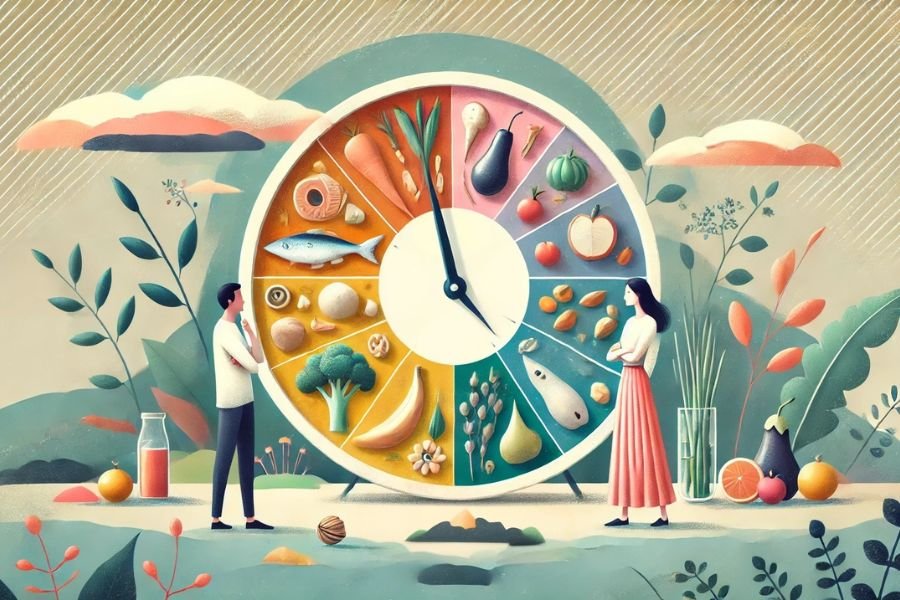
Intermittent fasting is an eating pattern where you cycle between periods of eating and fasting. Instead of focusing first on what you eat, you focus on when you eat. During the fasting window you either avoid calories altogether or keep them very low, and during your eating window you have your usual meals and snacks (Johns Hopkins Medicine, Mayo Clinic).
This time based approach is called time restricted eating when you do it each day, or intermittent fasting when it includes full or partial fasting days. In practice, you are shortening your daily eating window, or choosing a few days per week when you eat much less than usual.
What happens in your body when you fast
When you stop eating for a period of time, your body uses up stored sugar and then begins to tap into stored fat for energy. Johns Hopkins describes this as a metabolic switch, moving you from burning sugar to burning fat, which might help with weight management and may also support protection against conditions like type 2 diabetes and heart disease (Johns Hopkins Medicine).
A 2019 guide from the University of Michigan notes that proposed benefits of intermittent fasting include weight loss, improved metabolic health, diabetes prevention, and possibly longer lifespan, although long term effects are still being studied (University of Michigan School of Public Health). A 2023 review in Nutrients found that intermittent fasting might improve quality of life and reduce fatigue, but its impact on weight loss is not clearly better than other calorie controlled diets (EatingWell).
So intermittent fasting is less of a magic trick, and more of a structured way to help you eat fewer calories, manage cravings, and potentially improve some health markers.
Compare common beginner friendly fasting schedules
There is no single best intermittent fasting schedule that works for everyone. The right one for you depends on your lifestyle, social schedule, health, and how you handle hunger (Verywell Health). As a beginner, it usually helps to start with milder options, then adjust as you learn what feels realistic.
Here is a simple comparison of popular methods that beginners often try:
| Method | Basic structure | Why it works for beginners | Things to watch |
|---|---|---|---|
| 12:12 | Fast 12 hours, eat in a 12 hour window each day | Most of the fast is overnight, very gentle entry point | Might not reduce calories much if you graze all day (Verywell Health) |
| 16:8 | Fast 16 hours, eat in an 8 hour window daily | One of the most popular methods, can align with your schedule, such as 10 am to 6 pm | Hunger in the morning or late night snacking habits may take time to adjust (Verywell Health, Johns Hopkins Medicine) |
| 5:2 | Eat normally 5 days, then have 1 small 500 to 600 calorie meal on 2 non consecutive days | Lets you keep a mostly normal schedule, good if daily rules feel overwhelming (Johns Hopkins Medicine) | Low calorie days can feel tough if you are very active or do physical work |
| Daily 14–20 hour fasts | Eat within a 4 to 10 hour window and fast the rest of the day | Flexible, you choose the exact window length and timing | Longer fasts are harder for beginners and may increase side effects (PrivateMDs) |
Verywell Health notes that a 16:8 schedule is one of the most common for beginners, and some people ease in with a 14:10 version first (Verywell Health). The University of Michigan also suggests starting with 12:12, then gradually extending the fast toward 16 hours as you adjust (University of Michigan School of Public Health).
More extreme versions, such as alternate day fasting, the Warrior Diet with a 20:4 fast to eat window ratio, or one meal a day (OMAD), are usually not smart starting points. Verywell Health explains that the long fasting periods in these plans may not be appropriate for beginners or for people with certain health conditions (Verywell Health).
Choose the best schedule for your lifestyle
A fasting plan looks good on paper only if it fits the way you actually live. Instead of asking what is the fastest way to lose weight, it helps to ask what is the easiest way to be consistent.
Factor in your daily routine
Think about when you are most hungry, when you like to socialize, and when you work or commute. You might find that:
- If you love breakfast and feel weak without it, a later eating window like noon to 8 pm may backfire.
- If your family dinners are non negotiable, you can keep an evening meal and shift your first meal later in the day.
- If your job is very physical, fasting on work days might feel harder than fasting on rest days.
Research also suggests that easing in gradually works better than jumping into a strict plan. For instance, a 5:2 schedule where you keep your usual eating five days a week and reduce calories on two days had positive feedback from beginners in a 2021 study, in part because it felt manageable (EatingWell).
Consider your health and hunger tolerance
If you have diabetes, blood pressure issues, or take medications with food, you should get personalized advice before changing your eating schedule. Some people, particularly women, may notice more sensitivity to long fasting windows because of hormonal changes. Verywell Health notes potential risks for both women and men, including changes in sex hormones and metabolic health (Verywell Health).
Mayo Clinic points out that intermittent fasting can lead to fatigue, dizziness, headaches, mood swings, constipation, and menstrual changes in some people, so it is worth checking in with your body as you experiment (Mayo Clinic).
You might decide to:
- Start with 12:12 for one or two weeks.
- Move to 14:10 if that feels comfortable.
- Only then experiment with a 16:8 window if your energy and mood are steady.
If hunger feels overwhelming or you feel unwell, you can lengthen your eating window again. That is not failure, it is feedback.
Eat well during your eating window
Intermittent fasting for beginners often sounds like a free pass to eat whatever you want as long as it is inside the window. In reality, what you eat still matters for weight loss and health.
The University of Michigan guide emphasizes that food quality is just as important as the timing of your meals (University of Michigan School of Public Health). Johns Hopkins recommends focusing on nutrient dense options similar to a Mediterranean style pattern: leafy greens, healthy fats, lean proteins, and whole grains (Johns Hopkins Medicine).
EatingWell highlights two key pieces for satiety and muscle protection: lean protein and fiber. Getting enough protein supports your lean muscle mass while you lose fat, and fiber rich foods like vegetables, fruits, beans, and whole grains help you feel full more easily (EatingWell).
PrivateMDs also points out that if you rely heavily on refined carbohydrates, like white bread and sugary snacks, your blood sugar can spike and crash, which makes it harder to stick to your fasting window. Shifting toward quality proteins and healthy fats tends to steady your appetite (PrivateMDs).
If you are not sure where to start, you can plan your eating window around two main meals and, if you want, one snack:
- Meal 1: A plate built around protein, colorful vegetables, and a whole grain or starchy vegetable.
- Snack: Greek yogurt with berries, a handful of nuts, or hummus with sliced veggies.
- Meal 2: Similar formula, with some healthy fats like olive oil, avocado, or nuts.
Know what really breaks a fast
A common beginner question is what you can have during your fasting window. For fasting to work as intended, you typically avoid calories altogether. That means no butter in your coffee and no glass of wine before bed.
PrivateMDs explains that true intermittent fasting involves water and other non caloric drinks during your fasting period and that any calories technically break the fast (PrivateMDs). Similarly, Johns Hopkins notes that during fasting periods you should stick with water, black coffee, or plain tea, then focus on nutritious meals during your eating window (Johns Hopkins Medicine).
Plain sparkling water, herbal tea without sweetener, and black coffee are all common choices. If you notice that caffeine on an empty stomach makes you feel shaky or anxious, you might shift coffee closer to your first meal of the day.
Avoid common beginner mistakes
You are more likely to get results from intermittent fasting if you avoid a few frequent pitfalls. These usually revolve around going too extreme too soon, under eating, or not planning ahead.
One major issue is trying an intense schedule like OMAD or alternate day fasting right away. Verywell Health notes that longer fasts and more restrictive approaches often are not appropriate for beginners and can be particularly risky for some medical conditions (Verywell Health). Mayo Clinic also warns that 24 to 72 hour fasts can be dangerous and might encourage your body to store more fat as it senses starvation, so you should not attempt long fasts without medical guidance (Mayo Clinic).
Another mistake is eating far too few calories overall. PrivateMDs explains that taking in too few calories in your eating window can harm your health and your progress. If you find that you cannot comfortably eat enough in a short window, you may do better with a longer eating window like 10 hours instead of 6 (PrivateMDs).
Meal prep matters as well. If you reach your eating window with no food ready and you are very hungry, it is easy to grab whatever is fastest. PrivateMDs stresses that planning your meals and snacks ahead of time makes it much easier to stick to both your window and your nutrition goals (PrivateMDs).
EatingWell also suggests that you avoid being overly rigid. Intermittent fasting tends to work best long term when you stay flexible and pay attention to your hunger cues instead of white knuckling through every fast at any cost. Shifting from a punishment mindset to a quality of life mindset is more sustainable (EatingWell).
If you are regularly exhausted, dizzy, or obsessed with the clock, your schedule is probably too strict for your current lifestyle and needs adjusting.
Get started with a simple step by step plan
You do not need a complicated app or a perfect plan to begin. You can start with one small change, then layer on more structure if it feels good.
Here is one way to ease into intermittent fasting for beginners:
- Week 1: Try a 12:12 schedule. Pick a 12 hour window that fits your life, such as 8 am to 8 pm. Outside that window, only have water or zero calorie drinks. Notice your energy, sleep, and hunger cues.
- Week 2: Shift to 13:11 or 14:10. Gently move one meal 1 to 2 hours later or earlier. For example, delay breakfast or move dinner up. Keep an eye on how your body responds each day.
- Week 3 and beyond: Experiment with 16:8 if desired. If you feel good, you can try a longer fasting window like 10 am to 6 pm. If this feels too restrictive, it is fine to stay with 14:10. Consistency matters more than strictness.
- Plan simple, balanced meals. Build each meal around protein, fiber, and healthy fats so you stay satisfied, protect muscle, and avoid wild blood sugar swings.
- Review and adjust every couple of weeks. Ask yourself whether this style of fasting fits your social life, mood, and energy. You can shorten or lengthen your fast or switch methods, for example from daily fasting to a 5:2 plan.
Remember that intermittent fasting is one tool among many. It can help you eat fewer calories without counting every bite, but your overall food quality, movement, sleep, and stress control still matter. If you decide to try it, start gently, listen closely to your body, and do not hesitate to involve your healthcare provider so you can find an approach that supports both fast weight loss and long term health.
About The Author