Holistic Health and Wellness: Easy Ways to Improve Your Life
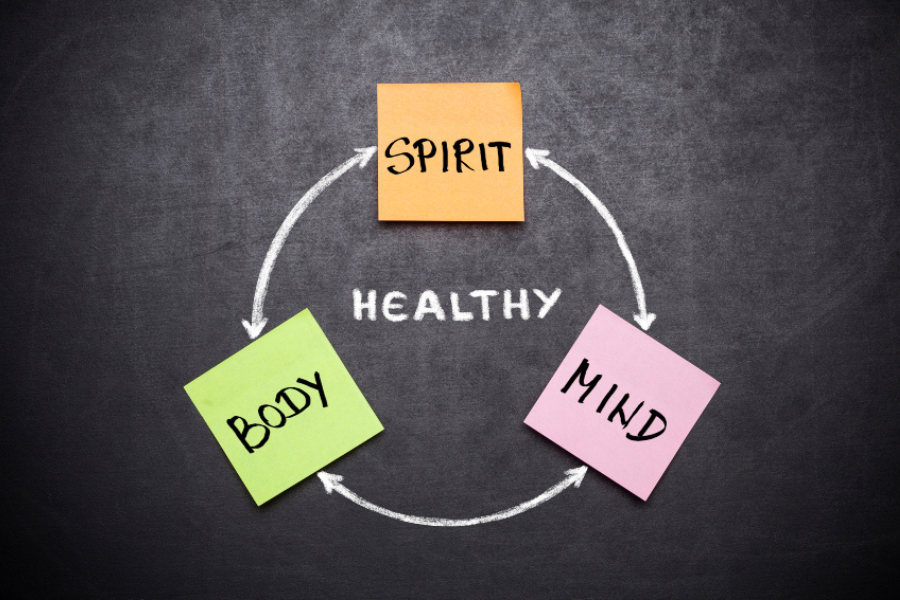
A holistic approach to health and wellness helps you care for your body, mind, and spirit as one connected system. When you view your well-being this way, simple daily choices start to have a bigger impact on your energy, mood, and long-term health. Holistic health and wellness is not about doing everything perfectly. It is about creating a realistic, sustainable routine that supports you as a whole person.
Below, you will find practical, beginner friendly ways to bring holistic practices into your everyday life, without overhauling your entire schedule.
Understand holistic health in simple terms
At its core, holistic health and wellness means you pay attention to the physical, mental, emotional, social, and spiritual parts of your life, because they all influence each other. Instead of only treating symptoms, you try to understand what is causing them and how different areas of your life might be involved.
Holistic healthcare often focuses on your body’s natural ability to heal itself when given the right support, such as rest, good food, movement, and stress management. This interconnected approach is used widely in integrative and holistic care, where providers look at your lifestyle, your relationships, and your environment, not just your lab results or a single diagnosis (Western Connecticut State University).
You do not need to see a specialist to start thinking holistically. You can begin by asking simple questions like, “How is my sleep affecting my mood?” or “Is my stress level showing up as headaches, tension, or poor digestion?”
Start with a personal wellness plan
A personal wellness plan gives you a clear, realistic path to better holistic health and wellness. Instead of loosely wanting to “feel better,” you map out specific steps that fit your life.
According to mental health and wellness providers, a personal wellness plan works best when it includes physical fitness, mental clarity, emotional resilience, and spiritual growth, and when it is tailored to your lifestyle and values (Beyond Healing Counseling).
Use SMART goals you can actually reach
Vague goals are easy to abandon. SMART goals, which are Specific, Measurable, Achievable, Relevant, and Time bound, help you stay focused and see progress.
For example, instead of saying, “I will exercise more,” you might say:
- “I will walk for 20 minutes, three times per week, for the next month.”
Or instead of “I want to stress less,” you could try:
- “I will practice 5 minutes of guided breathing before bed on weeknights for the next two weeks.”
Research on personal wellness planning suggests that SMART goals like these support motivation and make it easier to track improvements in your physical, mental, emotional, and spiritual health (Two Roads Wellness Clinic).
Track small wins, not just big changes
You do not need fancy tools to track your progress. A simple notebook, a notes app on your phone, or a habit tracking app is enough. The key is consistency.
You might:
- Jot down your mood and energy level each day
- Note how many hours you slept
- Mark whether you moved your body or practiced any stress reduction
Regular tracking gives you feedback on what is actually helping and what needs adjustment. It also builds accountability and helps you make flexible changes rather than giving up when life gets busy (Two Roads Wellness Clinic).
Support your body with balanced habits
Your physical health is the foundation for your holistic well-being. Instead of chasing extreme diets or intense workout plans, you can focus on gentle, steady habits that you can maintain long term.
Holistic care emphasizes prevention and lifestyle changes like balanced nutrition, physical activity, and sleep to lower your risk of chronic diseases and raise your daily energy (Family Seasons).
Eat for steady energy, not perfection
A holistic approach to food does not require strict rules. It simply means you notice how different foods make you feel, and you rely more on whole, minimally processed choices most of the time.
You might:
- Fill half your plate with vegetables or fruits at one meal a day
- Swap sugary drinks for water, herbal tea, or sparkling water a few times a week
- Add a source of protein to breakfast to avoid mid morning crashes
Holistic health perspectives often use food and natural remedies like herbs, teas, and supplements as part of a broader healing strategy, not as quick fixes (Western Connecticut State University). If you are considering new supplements, it is a good idea to talk with a healthcare provider first to check for interactions and find the right dose.
Move your body in enjoyable ways
You do not need a gym membership to benefit from movement. Regular, moderate activity supports your heart, mood, focus, and sleep. Holistic wellness plans often include accessible movement like walking, yoga, stretching, or dancing, because these forms of exercise help both your body and mind (Western Connecticut State University).
If you are not active now, you can start by:
- Taking a 10 minute walk after one meal each day
- Doing a gentle stretching routine while you watch TV
- Choosing stairs over elevators once or twice daily when possible
The goal is not to punish your body but to give it regular chances to circulate blood, loosen stiffness, and release stress.
Protect your sleep as a priority
Sleep is one of the simplest, most powerful holistic health tools you have. Poor sleep affects your hormones, your mood, your immunity, and your ability to manage stress.
A basic sleep routine might include:
- Going to bed and waking up at roughly the same time daily
- Creating a 20 to 30 minute “wind down” with low light, no work emails, and calming activities
- Avoiding heavy meals and screens right before bed when possible
When you consistently improve your sleep, you often notice easier mornings, more even moods, and fewer cravings, all of which support your overall wellness.
Care for your mind and emotions
Holistic health and wellness always includes your mental and emotional state. Stress, anxiety, and unresolved feelings can show up physically as pain, digestive issues, fatigue, or frequent illnesses.
Holistic care acknowledges this mind body connection and often uses meditation, mindfulness, therapy, yoga, and similar practices to reduce stress and improve both mental health and physical conditions like pain and immune function (Family Seasons).
Build simple mindfulness into your day
Mindfulness does not have to mean long meditation sessions. It can be as short as a few breaths where you pause, notice your body, and gently bring your attention back from racing thoughts.
Here are a few easy ways to begin:
- Take three slow breaths before starting a task, in through your nose and out through your mouth
- Pay attention to your senses while washing dishes or walking, like noticing the water temperature or the feel of your feet on the ground
- Try a 5 minute guided meditation from a free app before bed
These small practices help your nervous system shift out of constant “fight or flight” and back into a steadier state where your body can repair and restore itself (University of Minnesota College of Continuing & Professional Studies).
Consider counseling as part of wellness
Mental health support is an important part of holistic care. Therapists and counselors who use holistic approaches often look beyond symptoms and include tools like mindfulness, body awareness, and lifestyle changes in their work with you (St. Catherine University).
You might seek counseling if you:
- Feel stuck in patterns that are affecting your health or relationships
- Notice that stress is showing up as physical problems
- Want guidance while you make bigger wellness changes
Asking for help is not a sign of weakness. It is a proactive step that fits perfectly within a holistic, prevention focused approach.
Nurture your spirit and sense of meaning
Spiritual wellness looks different for everyone. For you, it might involve religious faith, nature, creativity, community, or a personal sense of purpose. Holistic health views this dimension as just as important as the physical or mental ones, because meaning and connection can deeply influence your motivation and resilience (Western Connecticut State University).
You can explore spiritual wellness by:
- Spending a few minutes in quiet reflection or prayer
- Journaling about what brings you gratitude or awe
- Walking in nature without headphones and really observing your surroundings
- Engaging in activities like singing, chanting, or listening to calming music, which are common in many holistic traditions (Western Connecticut State University)
The goal is not to fit into a particular belief system, but to feel more grounded, connected, and aligned with your values.
Strengthen your relationships and community
Holistic wellness recognizes that you are not meant to do life alone. Your social connections affect your stress levels, your habits, and even your physical health.
Holistic care often encourages group activities and support networks, since feeling connected and supported is vital for mental and emotional health (Family Seasons).
You might:
- Reach out to a friend for a walk instead of catching up only over text
- Join a local class, book club, or community group that matches your interests
- Let trusted people know about your wellness goals so they can encourage you
Building community takes time and courage, but it is a powerful part of long term health.
You do not need to change your entire life at once. A holistic approach works best when you add small, kind choices that you can stick with, week after week.
Combine modern and holistic care wisely
Holistic health and wellness does not mean you avoid modern medicine. Integrative approaches blend conventional treatments like medication or surgery with holistic practices such as meditation, acupuncture, or stress management to support your whole health (University of Minnesota College of Continuing & Professional Studies).
If you live with a chronic condition like high blood pressure, autoimmune disease, or chronic pain, an integrative plan might include:
- Regular checkups and prescribed treatments
- Gentle physical activity and tailored nutrition
- Stress reduction techniques, counseling, or body based therapies like massage or acupuncture (University of Minnesota College of Continuing & Professional Studies)
When possible, let your healthcare providers know about any holistic practices or supplements you use so they can help you stay safe and avoid interactions.
Putting it all together in your daily life
Holistic health and wellness becomes manageable when you break it into small, daily choices.
To get started, you could:
- Choose one physical habit, such as a 10 minute walk or a consistent bedtime.
- Add one stress reduction tool, such as a brief mindfulness practice or journaling.
- Reach out to one person who supports you and share one wellness goal.
After a week or two, you can reassess what feels helpful and gently add or adjust habits. Over time, these simple steps add up to a healthier, more balanced life that supports your body, mind, and spirit together.
About The Author





