Exercise for Shoulders Female That Helps You Stay Strong
A strong shoulder routine does more than shape your upper body. The right exercise for shoulders female lifters also helps you stand taller, move more easily in yoga, and lift weights or groceries without strain. You do not need daily sessions or heavy loads. A simple, consistent plan can protect your joints and keep you feeling strong.
Below, you will learn why your shoulders matter so much, how often to train them, and a mix of beginner friendly and more advanced moves you can plug into your workouts.
Why shoulder strength matters for women
Your shoulder muscles support nearly every upper body movement you make. When they are strong and balanced, daily tasks feel easier and your posture improves.
Strong shoulders help you:
- Maintain upright posture when you sit and stand
- Flow through yoga poses without collapsing at the chest
- Lift weights safely in the gym
- Carry bags, kids, and heavy items with less fatigue
The shoulder joint is naturally unstable, which is why focusing on exercise for shoulders female athletes and beginners alike is so important. When the muscles around your shoulder blade and upper back work together, they stabilize the joint, help prevent pain, and lower your risk of injury during workouts or daily life.
Regular strength training has wider benefits too. The American Cancer Society notes that resistance training a few times per week supports stronger bones, better muscle mass, metabolism, and posture for women. Research from St. George’s University of Grenada also links strength work with better heart health and reduced risk of heart attack and stroke, similar to cardio, when you do it several times per week.
Your shoulder workouts are one piece of that bigger health picture.
How often you should work your shoulders
You do not need a separate shoulder day multiple times a week. Since your shoulders assist in most upper body exercises, a focused shoulder session once per week, or sprinkling shoulder moves into your total body workouts, is usually enough for general strength and tone.
For most women, a good plan looks like this:
- Aim for 9 to 15 total sets of shoulder work per week
- Use loads that feel challenging in the 8 to 15 rep range
- Spread your sets across 1 to 3 workouts so you recover well
If your main goal is muscle growth, working in the 8 to 12 rep range at about 70 to 80 percent of your one rep max and increasing weight or reps slowly over time supports hypertrophy, as suggested in Gymshark’s guide for women’s shoulder training updated in May 2024.
If you care most about tone, posture, and injury prevention, stay with lighter loads and slightly higher reps, and focus on perfect form.
Getting started safely and confidently
The shoulder muscles are small and delicate compared with your hips or legs, so it pays to start lighter than you think you need.
You can begin with:
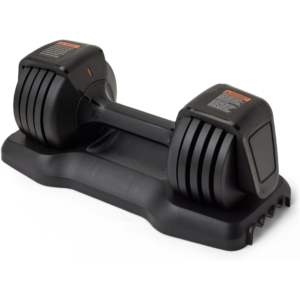
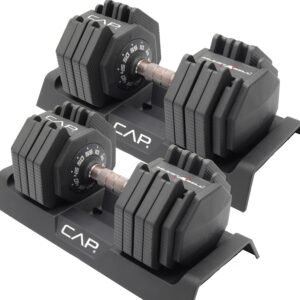
- Dumbbells that are 3 to 5 pounds
- A light resistance band
- Only your body weight
Using light dumbbells, around 3 to 8 pounds, with higher repetitions helps you sculpt long, lean muscle. Start on the lighter side and increase either your reps or your weight gradually as movements feel easier. This approach keeps your joints happy while your muscles adapt.
Before you push heavier, check that:
- You can move your arms overhead without pain
- You can hold a basic plank for at least 20 to 30 seconds
- You can complete 2 to 3 sets of each exercise with steady control
If anything hurts sharply, especially in the front of your shoulder or deep inside the joint, stop and check your form. Persistent pain is a sign to speak with a health professional before continuing.
Key muscles you are training
A good exercise for shoulders female program does not just work the mirror muscles in front. It covers the full 360 degrees around the joint.
The main muscles to target are:
- Deltoids: front, side, and rear heads that shape your shoulder cap
- Rotator cuff: small muscles that stabilize the joint and guide smooth movement
- Trapezius and rhomboids: upper back muscles that pull your shoulders into better posture
When these muscles balance each other, no single area becomes too tight or too strong. That balance is what reduces pain and keeps your shoulder blades gliding smoothly as you reach and lift.
Warm up moves to protect your shoulders
Before you lift weights, you want blood flow, mobility, and gentle activation around the joint. Just 3 to 5 minutes of prep can make your workout feel better and lower your injury risk.
Try this simple sequence:
-
Arm circles
Stand tall and draw small circles with your hands, first forward and then backward. Gradually make the circles larger. Continue for 30 to 45 seconds each way. -
Banded external rotations
Anchor a light resistance band at elbow height. Hold the band with your elbow tucked into your side at 90 degrees and rotate your forearm outward. This targets your rotator cuff and improves joint stability. -
Face pulls with band
Hold a band at eye level with both hands. Step back until there is tension. Pull the band toward your face, guiding your elbows wide and squeezing your shoulder blades together. This wakes up your upper back and rear shoulders.
These warm up moves were highlighted in Gymshark’s guide as useful prehab work that increases blood flow, improves mobility, and primes your muscles before heavier exercise.
Beginner friendly shoulder exercises
If you are new to strength training or coming back after a break, start with simple, controlled moves. The focus is to learn how your shoulders should feel when they move well.
1. Seated overhead press (dumbbells)
Sit tall on a chair or bench. Hold a dumbbell in each hand at shoulder height with palms facing forward or each other. Brace your core and press the weights straight up until your arms are almost straight. Lower slowly.
You can begin with 2 to 3 sets of 8 to 12 repetitions. This compound move hits all three heads of your deltoids and teaches you to stabilize your core as you press.
2. Lateral raise
Stand with feet hip width apart, holding light dumbbells by your sides, palms facing in. With a soft bend in your elbows, lift your arms out to the sides until they reach shoulder height, then lower with control.
Aim for 2 to 3 sets of 10 to 15 reps. Lateral raises focus on the side delts, which help create the look of broader, stronger shoulders.
3. Front raise
Hold light dumbbells in front of your thighs, palms facing your body. Keeping your arms mostly straight, raise the weights up to shoulder level, then lower slowly.
The dumbbell front raise is one of the top ranked exercises for strengthening the front of the shoulders and improving balance between left and right sides, based on internal data from Fitbod. Try 2 to 3 sets of 10 to 12 reps.
4. Reverse snow angel (bodyweight)
Lie face down on a mat with your arms by your sides, palms facing the floor. Lift your chest slightly and hover your arms just off the ground. Sweep your arms in a wide arc overhead, as if you are making a snow angel, then return to your sides.
This bodyweight move targets your rear delts and upper back without equipment. Start with 2 sets of 8 to 10 slow reps.
Intermediate and advanced shoulder moves
Once you feel comfortable with basic presses and raises, you can add variations that challenge your stability and overall strength. These moves work well when you want to keep progressing without jumping straight to heavy barbells.
5. Arnold press
Sit or stand tall with a dumbbell in each hand, palms facing you and elbows bent so the weights start in front of your chest. Begin with a curl like motion, then rotate your palms away from you as you press the dumbbells overhead. Reverse the path to return to the start.
Fitbod identifies this movement as effective because it combines arm and shoulder strengthening in one fluid exercise. Perform 3 sets of about 10 reps, using a load that feels tough by the last repetitions while you still maintain form.
6. Neutral grip shoulder press
Hold dumbbells at your shoulders with palms facing each other. Brace your core and press the weights overhead, then lower them slowly. A neutral grip is often more comfortable for your wrists and can be kinder to your neck and shoulders.
Aim for 3 sets of 8 to 12 reps. This variation is a solid choice if traditional overhead pressing sometimes bothers your neck.
7. Renegade row
Start in a high plank position with a dumbbell in each hand. Your hands are directly under your shoulders and your body forms a straight line from head to heels. Keeping your hips level, row one dumbbell up toward your ribs, then lower it and repeat on the other side.
Renegade rows challenge your shoulders, back, and core at the same time. Try 2 to 3 sets of 8 to 10 reps per side. If this feels too hard, you can drop to your knees while you build strength.
8. Landmine press or single arm landmine press
If you have access to a landmine setup in the gym, stand with your feet staggered and hold the end of the barbell at chest level with one or both hands. Press the bar up and slightly forward in its natural arc. Lower with control.
Single arm landmine presses and similar moves, like the single arm bottoms up kettlebell press, recruit many stabilizing muscles and improve shoulder function and appearance. They also feel friendlier on your joints than some straight overhead variations.
A simple 25 minute shoulder workout
You can create a quick shoulder focused routine by choosing 3 to 5 exercises and completing three sets of each. This flexible format lets you mix and match based on your equipment and energy level.
Here is one example:
- Warm up: 3 to 5 minutes of arm circles, banded rotations, and face pulls
- Seated overhead press: 3 sets of 8 to 12 reps
- Lateral raise: 3 sets of 10 to 15 reps
- Front raise or reverse snow angel: 3 sets of 10 to 12 reps
- Arnold press or neutral grip press: 3 sets of 8 to 10 reps
Rest 45 to 75 seconds between sets. This type of plan aligns with guidance suggesting that a 25 minute shoulder workout built from a handful of key moves can be both time efficient and effective.
If your goal is more calorie burn and overall tone, use lighter to moderate weights and keep your rest periods shorter. If your goal is strength or muscle size, choose slightly heavier loads, stay in the 8 to 12 rep range, and rest a bit longer between sets.
Focus on how your shoulders feel and move first. The numbers on the dumbbells can always increase later once your technique is solid.
Tips for progress and recovery
Consistent small improvements matter more than a single intense workout. To keep moving forward without overdoing it, keep these simple principles in mind:
- Increase one thing at a time, either weight, reps, or sets, but not all at once
- Take at least one full day between hard upper body sessions
- Combine shoulder moves with back, chest, and core exercises for a balanced program
- Include regular walking or another form of cardio for heart health, alongside your strength work
Strength training several times per week has been linked with stronger bones, lower osteoporosis risk, and better mood for women. A 2018 study found that regular exercise, including resistance training, significantly improves symptoms of anxiety and depression in women. Your shoulder sessions support both physical resilience and mental well being.
If you stay patient, keep your form clean, and listen to your body, your shoulders will gradually become stronger, more stable, and more defined. Start by adding one or two of these exercises to your next workout, and build from there.
About The Author