How Exercise Bike Training Programs Can Transform Your Health
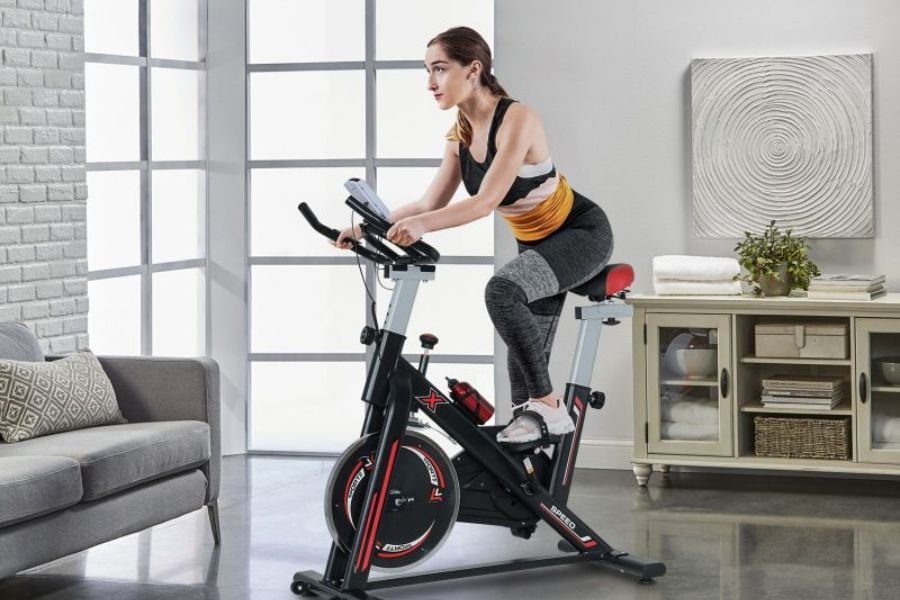
A stationary bike might look simple, but the right exercise bike training programs can reshape your health far beyond a few sweaty sessions. With a structured plan, you can use that bike to lose weight, build endurance, protect your joints, and boost your heart health, all without leaving your living room.
Below, you will see how exercise bike training programs work, what a smart weekly routine looks like, and how to match the plan to your current fitness level.
Why exercise bike training programs work so well
Exercise bike training programs are not just random rides. They follow a plan that balances intensity, duration, and recovery so your body can adapt and get stronger over time.
Indoor cycling and stationary bike workouts have been shown to:
- Improve aerobic capacity and heart health
- Support weight loss and better body composition
- Lower blood pressure and improve cholesterol
- Build leg strength and muscular endurance
A 2019 meta analysis in the journal Medicina found that indoor cycling can improve body composition, aerobic capacity, blood pressure, and cholesterol, especially when you pair it with diet changes for weight loss (Bicycling).
Because a stationary bike is low impact and gentle on your joints, it is also a smart choice if running or jumping leaves you sore. You still work multiple large muscle groups and get a strong cardio workout, but without the pounding that comes with high impact exercise (Bicycling, Verywell Fit).
How exercise bike programs help with weight loss
If your main goal is to lose weight, exercise bike training programs give you structure and progression. Instead of guessing how hard or how long to ride, you follow a plan that steadily increases your workload.
Bike workouts support weight loss in several ways:
You burn calories during the ride, especially when you add intervals or longer endurance sessions. That helps create the calorie deficit you need for fat loss. At the same time, working against resistance builds muscle in your legs and glutes, which can increase your resting metabolism.
Trainers note that using resistance on a stationary bike essentially gives you a form of strength training. It will not replace heavy lifting, but it can support muscle maintenance and growth. For maximum muscle gains and metabolism support, experts still recommend adding off the bike resistance training to your week (Bicycling).
Interval based programs can be especially powerful for fat loss. Formats like:
- 30 20 10 intervals, 30 seconds moderate, 20 seconds hard, 10 seconds very hard, repeated with short rest
- Tabata, 20 seconds all out, 10 seconds rest, repeated for eight rounds per block
have been shown to improve fitness, lower blood pressure, and reduce body fat in both trained and untrained people (Bicycling).
The health benefits beyond the scale
Even if you are not chasing a specific number on the scale, consistent exercise bike training programs can transform your overall health.
Heart and lung health
Regular stationary bike workouts improve your heart’s ability to pump blood and your muscles’ ability to use oxygen. Indoor cycling programs that gradually challenge your aerobic system will:
- Boost your endurance
- Improve your VO2 max, your capacity to use oxygen
- Help your heart work more efficiently at rest
Structured power based interval plans have been shown to increase key fitness markers like Functional Threshold Power, FTP, VO2 max, and muscular endurance by using targeted intensity levels (TrainerRoad, JOIN Cycling Tips).
Joint friendliness and injury prevention
Stationary cycling is low impact, so it is easier on your knees, hips, and ankles than many other forms of cardio. That makes it ideal if you have joint pain, are coming back from an injury, or simply want to protect your body over the long term (Bicycling).
You still get all the cardiovascular benefits you would expect from running, brisk walking, or an elliptical workout, but with less mechanical stress (Verywell Fit).
Mental toughness and consistency
Training plans that include intervals and endurance rides also build mental toughness. Sticking with a challenging set, even for a few minutes at a time, trains your ability to stay focused and push through discomfort. Interval training in cycling is known to improve mental resilience while giving you better fitness results in less time (FreeBeatFit).
On a more practical level, an indoor bike removes common barriers like bad weather, traffic, and limited daylight. You can ride at any time, which makes it easier to be consistent week after week.
Key types of exercise bike training programs
The best program for you depends on your fitness level and schedule, but most effective plans mix three basic workout types.
1. Steady state endurance rides
These rides are done at an easy to moderate pace where you can talk in full sentences. They primarily build your aerobic base and teach your body to use fat as fuel.
Many experts recommend spending a lot of time in this low intensity zone, often called Zone 2, especially when you are building your base fitness (JOIN Cycling Tips, Reddit r/Fitness).
2. Interval workouts
Interval training alternates short bursts of harder effort with periods of easier pedaling. This style is often called HIIT and it is one of the most efficient ways to improve your cardiovascular fitness and calorie burn.
Benefits of interval based bike training include:
- Better cardiovascular fitness
- Increased speed and power
- Greater time efficiency
- Improved mental toughness
You can do intervals on any stationary bike, and they work for beginners and advanced riders alike, as long as you adjust the intensity and duration to your level (FreeBeatFit).
3. Mixed sessions, hills, and speed play
Some programs blend intervals and steady riding into the same workout. Examples include:
- Hill and speed interval sessions that raise and lower your resistance to simulate climbs and flats
- Fartlek or speed play rides that vary intensity in an unstructured way
These mixed workouts are effective for building both endurance and power and they keep your sessions interesting so you are less likely to get bored (Health).
What a smart weekly bike plan looks like
You do not need to live on your bike to see progress. A very effective structure, especially if you have limited time, is 3 to 4 hours of riding per week. One guide suggests two or three shorter interval sessions plus one longer 1 to 2 hour endurance ride for steady improvement at any level (JOIN Cycling Tips).
Here is a sample framework you can adapt:
- 2 interval days, 20 to 40 minutes each
- 1 longer endurance ride, 45 to 90 minutes
- Optional extra easy ride or cross training day
For beginners, focusing first on consistent easy rides and then adding small doses of intervals tends to work better than jumping straight into a complex or very intense plan (Verywell Fit, Reddit r/Fitness).
Beginner, intermediate, and advanced program ideas
You do not need to follow these to the minute, but they give you a feel for how exercise bike training programs can scale as you get fitter.
Beginner: Building the habit
When you are just starting, your main goal is to ride regularly without overdoing it.
A simple beginner workout might look like:
- 5 minutes easy pedaling to warm up
- 10 minutes at a comfortable, moderate pace
- 5 minutes easy to cool down
This 20 minute structure helps you build stamina gradually and supports proper recovery (freebeatfit).
Health experts also suggest starting with very short durations if needed, even just a few minutes, and working up to 30 minutes so your body can adapt without too much strain. Once you can comfortably complete a 30 minute ride, you have reached the minimum recommended daily exercise time and can build from there (Verywell Fit).
Intermediate: Adding structured intervals
Once you are comfortable with 20 to 30 minute rides several times per week, you can add more focused intervals.
An intermediate style session could be:
- 5 to 10 minutes warm up
- 2 minutes higher resistance, 1 minute moderate resistance, repeat for 5 to 8 rounds
- 5 to 10 minutes cool down
This format, alternating between harder and easier efforts, raises your heart rate, boosts calorie burn, and strengthens your legs (freebeatfit).
You can also experiment with hill and speed workouts that shift your heart rate through different zones using varied work to rest ratios (Health).
Advanced: High intensity plans
If you already have solid fitness and want to push further, advanced exercise bike training programs often rely on structured HIIT or power intervals.
For example, a 40 minute advanced session might include:
- 8 to 10 minutes warm up
- 1 minute all out or very hard, 1 minute very easy, repeated for several cycles
- Additional endurance riding at a moderate pace
- 5 to 10 minutes cool down
Some programs use famous protocols like Tabata, where you do 20 seconds all out, 10 seconds rest, eight times per block. Research supports these intense workouts as effective for improving aerobic and anaerobic fitness and body composition, but they are best suited for people who already exercise regularly (Bicycling, Health).
How to choose and customize your program
Every good exercise bike training program starts by meeting you where you are.
Set clear, realistic goals
You will progress faster if your goals are specific instead of vague. Well known frameworks like SMART goals, specific, measurable, achievable, relevant, time bound, can guide you. For example:
- Ride the bike 3 days a week for 30 minutes for the next 8 weeks
- Lose 8 pounds over 12 weeks by combining bike workouts and nutrition changes
- Ride 60 minutes continuously at an easy pace within 6 weeks
Goal setting is a core step in building a training program that you can stick with (JOIN Cycling Tips).
Consider fitness tests and tracking
More advanced programs use tests like a 12 minute, 20 minute, or ramp style effort to estimate your Functional Threshold Power, FTP. This allows the plan to individualize interval intensity so that your workouts are neither too easy nor too hard (TrainerRoad, JOIN Cycling Tips).
If your bike tracks power or heart rate, you can use those numbers. If not, a simple rate of perceived exertion scale from 1 to 10 works just fine. You will pay attention to how hard the effort feels and adjust accordingly (Health).
Respect progression and recovery
The biggest mistake many people make is doing too much too soon. Good programs increase duration, intensity, or total weekly time gradually.
For example, one beginner progression bumps a ride from 20 to 25 minutes by adding short intervals, 3 minutes at baseline effort and 2 minutes slightly harder, before working up to 30 minutes. Only after you tolerate that do you add more intensity or extra sessions (Verywell Fit).
Recovery days, sleep, and nutrition matter just as much as the rides themselves. Experts recommend plenty of sleep, generally 8 to 10 hours, carb centered pre workout snacks, hydration during rides, and cooling strategies like fans for indoor training (TrainerRoad).
Warm up, cool down, and cross train
Every exercise bike session should start and end with care for your body.
A proper warm up gradually raises your heart rate and gets your muscles and joints ready to work. It also boosts mental focus and oxygen uptake. After the main set, a 5 to 10 minute cool down of light pedaling plus a bit of stretching helps your body transition out of the workout and can reduce injury risk (JOIN Cycling Tips).
To avoid overuse injuries and burnout, it is smart to mix your bike plan with other forms of cardio or strength training at least a few times per week. This variety keeps things interesting and challenges your body in different ways (Verywell Fit).
If you remember only one thing, let it be this: consistent, manageable rides that you can repeat week after week will do far more for your health than a single heroic session.
Making your program enjoyable and sustainable
The best exercise bike training program is the one you will actually stick with. A few final pointers:
Keep it fun. Vary your workouts, try different interval structures, and play with music or guided classes. This variety can make you more likely to keep riding over the long term (Reddit r/Fitness).
Match the plan to your current level instead of someone else’s. Beginners are often better off with simple goals like riding consistently, then adding structure later. More advanced riders can follow detailed, periodized plans that peak them for events or specific performance targets (FreeBeatFit).
If you feel unsure about where to start, consider using a digital platform or consulting a fitness professional to help you build a progressive, safe program that fits your goals and schedule (FreeBeatFit).
Start with one small step today, such as a 10 to 15 minute easy ride. Once that feels comfortable, you can layer in intervals, longer sessions, and more structured exercise bike training programs. Over time, those short, regular rides can transform your health in ways you will feel every day.
About The Author