The Dash Diet Plan: Easy and Effective for Your Lifestyle
A dash diet plan can fit into your everyday routine without feeling like a strict “diet.” It focuses on real food, not special products, and it is one of the most researched eating patterns for lowering blood pressure and improving heart health (NHLBI, Mayo Clinic). As a bonus, it can support gradual, sustainable weight loss when you pair it with reasonable portions and regular movement.
Below, you will see how the DASH diet works, what a typical day looks like, and simple ways to start where you are.
Understand what the dash diet plan is
DASH stands for Dietary Approaches to Stop Hypertension. It was designed to help you treat or prevent high blood pressure, and it has been studied for about three decades (NHLBI). Over time, researchers also found benefits for cholesterol, weight, and overall heart health.
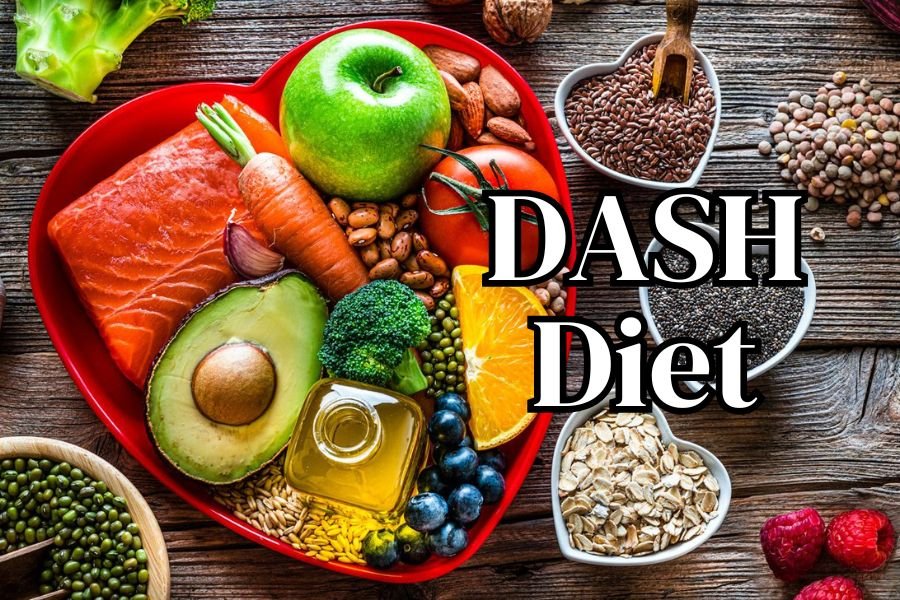
Instead of counting points or cutting out entire food groups, the dash diet plan gives you daily and weekly serving goals from different food groups. It emphasizes vegetables, fruits, whole grains, beans, nuts, and low fat dairy, along with fish and poultry in moderate amounts (Mayo Clinic). You limit sodium, added sugars, and foods high in saturated fat.
The plan is set up around a 2,000 calorie per day pattern, but you can adjust servings up or down depending on your size, activity level, and goals (National Heart, Lung, and Blood Institute).
Know why the dash diet works
The dash diet plan works from several angles at once, which is why it shows up so often in heart health research.
First, it is naturally rich in potassium, calcium, and magnesium, three minerals that help regulate blood pressure (Mayo Clinic). Second, it keeps total sodium lower than a typical Western diet, which helps prevent fluid retention and reduces strain on your blood vessels.
According to the National Heart, Lung, and Blood Institute, DASH has been shown to:
- Lower blood pressure in as little as 8 weeks compared with a typical American diet, with the largest drop in people following the full DASH pattern (NHLBI)
- Improve cholesterol and reduce risk factors for heart disease, especially when combined with lower sodium intake or more protein and healthy fats in place of some carbohydrates (NHLBI)
- Support weight loss and better blood pressure control when you pair it with lifestyle counseling and physical activity (NHLBI)
Because it centers on fiber rich whole foods, many people find that they feel full on fewer calories, which helps with gradual weight loss without strict calorie counting.
Focus on core foods and serving goals
To make the dash diet plan practical, it helps to think in food groups and rough serving ranges instead of exact numbers. For a 2,000 calorie version, the NHLBI provides daily and weekly serving targets that look roughly like this (National Heart, Lung, and Blood Institute, Mayo Clinic):
Note: These are example ranges, not strict rules. Your ideal amounts may be different, especially if you need more or fewer than 2,000 calories.
| Food group | Typical daily / weekly target (about 2,000 calories) | What this looks like in real life |
|---|---|---|
| Grains, mostly whole | About 6 to 8 servings per day | Oats, brown rice, whole wheat bread, whole grain pasta |
| Vegetables | About 4 to 5 servings per day | Salad greens, broccoli, carrots, peppers, frozen mixed vegetables |
| Fruits | About 4 to 5 servings per day | Apples, berries, oranges, bananas, grapes |
| Fat free or low fat dairy | About 2 to 3 servings per day | Skim or 1% milk, yogurt, cottage cheese |
| Lean meats, poultry, fish | Up to 6 small servings per day | Skinless chicken, turkey, fish, lean cuts of beef or pork |
| Nuts, seeds, legumes | About 4 to 5 servings per week | Beans, lentils, chickpeas, peanuts, almonds, sunflower seeds |
| Fats and oils | About 2 to 3 servings per day | Olive oil, canola oil, small amounts of soft margarine |
| Sweets and added sugars | 5 or fewer small servings per week | Dark chocolate squares, a small cookie, jam, or sorbet |
Once you know the general pattern, your goal is to build meals that nudge you toward those ranges most days of the week. You do not have to hit them perfectly every day for the dash diet plan to help you.
Manage sodium without feeling deprived
Sodium is a key piece of the DASH approach, but you can lower it gradually so your taste buds have time to adjust. The standard dash diet plan suggests keeping sodium under 2,300 milligrams per day. A stricter version caps it at 1,500 milligrams, which lowers blood pressure even more for many people (National Heart, Lung, and Blood Institute, Mayo Clinic).
You do not need to get there overnight. You can start from your current intake and slowly step down. Practical ways to cut back include cooking more at home, choosing “no salt added” canned goods, and flavoring food with herbs, citrus, and spices instead of reaching for the salt shaker.
According to the Mayo Clinic, reducing highly processed and salty foods a little at a time helps your palate reset so you actually begin to prefer the lighter, low salt flavors over time (Mayo Clinic).
Use dash for weight loss and energy
If your main goal is weight loss, the dash diet plan can give you a solid framework without extreme rules. Because it emphasizes fiber, lean protein, and healthy fats, you tend to feel fuller on fewer calories, which makes it easier to create a modest calorie deficit.
You can start by:
- Filling half your plate with vegetables or a mix of vegetables and fruit at most meals
- Choosing whole grains in place of refined options like white bread or regular pasta
- Picking lean proteins such as beans, lentils, fish, or skinless poultry
- Watching liquid calories from sugary drinks and large specialty coffees
In the PREMIER trial, people who combined a DASH style diet with counseling and increased physical activity lost more weight and had greater reductions in blood pressure over six months than those who received advice only (NHLBI). That means you get the best results when you pair your eating plan with consistent movement and other healthy habits.
See what a day on dash looks like
It can be easier to imagine yourself following a dash diet plan when you see a sample day. This example comes close to a 2,000 calorie pattern, but your portions may need to be smaller or larger.
Breakfast
You might have:
- 1 cup cooked oatmeal made with low fat milk
- 1 small banana and a spoonful of chopped walnuts
- Coffee or tea, ideally unsweetened or lightly sweetened
This gives you whole grains, fruit, dairy, and nuts before your day really starts.
Lunch
A simple lunch could be:
- Large salad with mixed greens, cherry tomatoes, cucumbers, carrots, and half a cup of chickpeas
- 3 ounces of grilled chicken or tofu on top
- 1 whole wheat pita or slice of whole grain bread
- Olive oil and lemon dressing, lightly drizzled
Here you are hitting vegetables, lean protein, whole grains, and healthy fats.
Snack
In the afternoon, you might choose:
- A small container of low fat yogurt
- A piece of fresh fruit
This keeps energy steady without relying on highly processed snacks.
Dinner
For dinner, you could serve:
- 3 to 4 ounces of baked salmon or another fish
- 1 cup of steamed broccoli and carrots
- 1 half to 1 cup of brown rice or quinoa
- A side of mixed fruit for dessert
You finish the day with more vegetables, whole grains, and heart healthy fats.
If you need fewer calories, you can trim portion sizes or skip a snack. If you need more, you can add an extra serving of whole grains, nuts, or lean protein.
Adapt the dash diet to your lifestyle
The dash diet plan is flexible enough to fit different cultures, preferences, and budgets. You do not have to follow a perfect “textbook” version to benefit.
You can adapt DASH if you are vegetarian by emphasizing beans, lentils, tofu, and nuts as your main proteins, along with low fat dairy or fortified alternatives if you use them. If you eat meat, you can keep it lean and in smaller portions, and think of vegetables and whole grains as the main part of your plate instead of the side dish.
If cooking is a challenge, frozen vegetables, canned beans, prewashed salad greens, and rotisserie chicken (with skin removed) can simplify meals without pulling you away from the overall pattern. The NHLBI also offers worksheets to help you compare your current eating habits with the DASH style and understand serving sizes, so you can make gradual tweaks instead of an all or nothing overhaul (National Heart, Lung, and Blood Institute).
Take simple steps to get started
You do not need a pantry makeover on day one. A few small changes will move you toward a dash diet plan without feeling overwhelming.
You might start by picking one of these actions this week:
- Add one extra serving of vegetables each day, for example a side salad at lunch or carrot sticks with hummus
- Swap white bread, rice, or pasta for whole grain versions at one meal
- Choose fruit instead of a sugary dessert on two or three days
- Cook at home one extra night and keep salt low while using herbs and citrus for flavor
- Check labels on two or three packaged foods you buy often and try a lower sodium option next time
The DASH diet has consistently been ranked as a top heart healthy plan and a leading choice for people with high blood pressure (National Heart, Lung, and Blood Institute). You can use it as a long term way of eating that protects your heart, supports healthy weight, and still leaves room for the foods you enjoy.
If you have existing health conditions or take medication for blood pressure or heart disease, it is always a good idea to talk with your healthcare provider before you make big dietary changes. Together, you can tailor the dash diet plan to your needs and turn it into a sustainable part of your daily life.
About The Author