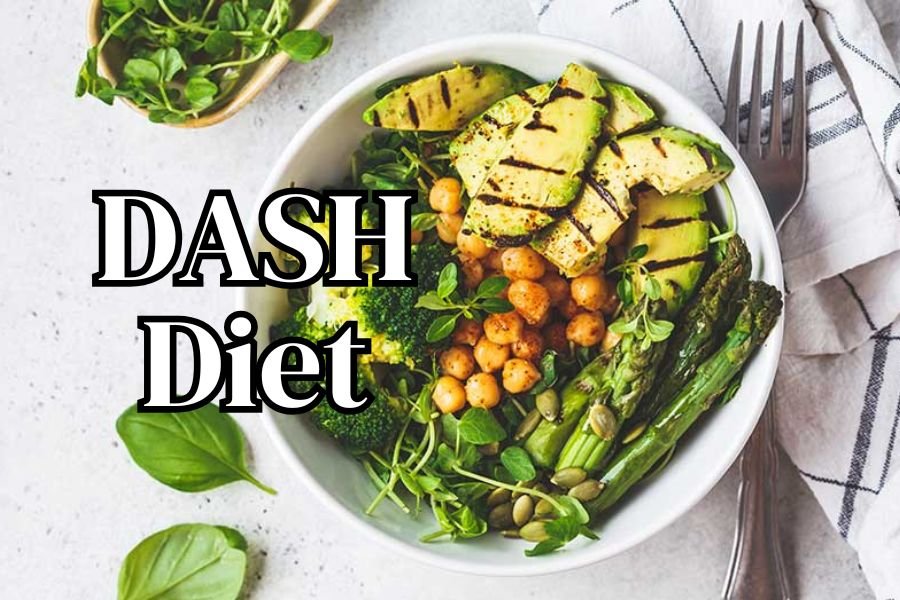
How the Dash Diet for Heart Health Can Boost Your Wellbeing
A dash diet for heart health does more than lower blood pressure. It can also help you manage your weight, steady your energy, and support long term wellbeing without complicated rules or specialty foods. If you are looking for a realistic way to eat better and care for your heart, the DASH diet gives you a clear, flexible roadmap.
Understand what the DASH diet is
The DASH diet, short for Dietary Approaches to Stop Hypertension, was designed specifically to help treat or prevent high blood pressure and support heart health. It focuses on whole, minimally processed foods that are naturally rich in potassium, calcium, magnesium, protein, and fiber and keeps saturated fat, added sugar, and sodium in check. This combination helps lower blood pressure and improves several other risk factors for heart disease (Mayo Clinic).
You do not need to buy special products to follow DASH. Instead, you re-balance what you already eat. The base of your plate becomes vegetables, fruits, and whole grains, with smaller amounts of lean protein and low fat dairy, plus limited sweets and salty snacks (Mayo Clinic).
In short, DASH is not a short term cleanse. It is a sustainable pattern of eating that supports your heart and overall health day after day.
See how the DASH diet protects your heart
When you follow a DASH diet for heart health, you target several risk factors at the same time instead of only chasing a lower blood pressure reading.
First, you reduce sodium. Most versions of DASH aim for less than 2,300 milligrams of sodium per day and many people do even better at around 1,500 milligrams if their doctor recommends it (Mayo Clinic, MedlinePlus). Lower sodium helps your body release excess fluid which can lower blood pressure and ease strain on your heart.
Second, you add more potassium, calcium, and magnesium from foods like leafy greens, beans, yogurt, and nuts. These minerals help your blood vessels relax and work with sodium to regulate blood pressure, so you get an extra benefit beyond salt reduction alone (MedlinePlus).
Large studies funded by the National Heart, Lung, and Blood Institute have repeatedly shown that the DASH diet lowers blood pressure, improves cholesterol levels, reduces the risk of type 2 diabetes, and decreases overall cardiovascular risk (NHLBI). In one key trial, combining DASH with sodium reduction to about 1,500 milligrams per day produced some of the biggest blood pressure drops, especially in people who started with higher readings (NHLBI).
These results are a major reason the NIH supported DASH diet continues to rank as the “Best Heart-Healthy Diet” and “Best Diet for High Blood Pressure” (NHLBI).
Learn what you actually eat on DASH
It is easier to picture a new way of eating when you see the building blocks. On a typical 2,000 calorie DASH diet, you aim for daily and weekly targets from each food group instead of obsessing over single ingredients (NHLBI).
Here is how your plate generally changes:
- Vegetables and fruits move to center stage. They provide fiber, potassium, and antioxidants while naturally keeping calories down.
- Whole grains such as oats, brown rice, whole wheat pasta, and quinoa replace refined grains like white bread. These keep you fuller for longer and support steady blood sugar.
- Low fat or fat free dairy such as milk, yogurt, and cheese becomes your main source of calcium and some protein, which also contributes to lower blood pressure (Mayo Clinic).
- Lean proteins such as fish, skinless poultry, beans, lentils, and tofu support muscle health without the saturated fat that can raise LDL cholesterol.
- Nuts, seeds, and legumes appear several times a week for healthy fats, plant protein, and extra minerals.
- Sweets, sugary drinks, and salty snack foods are still allowed, but in modest portions and less often.
Instead of strict “yes” and “no” lists, you shift the portions. The foods that support your heart health show up more often and in larger amounts while the foods that work against your blood pressure and cholesterol become occasional extras instead of everyday standards.
Use the DASH diet to support weight loss
If you are curious about a DASH diet for heart health and weight loss, the good news is that the same principles that protect your heart also make weight management easier.
You fill up on high fiber foods like vegetables, fruits, beans, and whole grains and those naturally crowd out more calorie dense options. You also cut back on heavy sauces, fried foods, and sugary snacks that add a lot of calories without much nutrition. This combination often leads to a gentle, steady weight loss when you keep your portions in a reasonable range.
Clinical trials show that when people follow the DASH diet along with lifestyle changes such as physical activity and coaching, they lose more weight and see greater reductions in blood pressure than people who receive advice alone (NHLBI). You do not need to hit perfection for this to work. Even partial shifts toward DASH patterns can help you feel lighter and more energetic.
To make DASH support your weight loss specifically, focus on:
- Filling half your plate with vegetables at lunch and dinner
- Choosing fruit over dessert most days
- Swapping refined grains for whole grains in your usual meals
- Choosing water, unsweetened tea, or sparkling water instead of sugary drinks
- Being mindful of portions of calorie dense foods like oils, nuts, and cheese
You still get satisfying meals, but the overall calorie load drops almost automatically.
Manage sodium without feeling deprived
Cutting salt can sound like bland food and complicated labels. It does not have to feel that way if you make a few smart adjustments.
The DASH diet gives you two main sodium targets. Many people start with less than 2,300 milligrams per day, which already supports heart health. If you and your healthcare provider decide you need a stricter goal, you may work toward about 1,500 milligrams per day, which has been shown to lower blood pressure even more, especially in people with hypertension (NHLBI, PMC – NIH).
You can lower sodium without stripping all the flavor from your meals by:
- Cooking at home more often so you control how much salt goes into your food
- Using herbs, spices, citrus, garlic, and vinegar to build flavor instead of relying on salt
- Choosing “low sodium” or “no salt added” versions of canned beans, tomatoes, and broths
- Rinsing canned beans and vegetables before using them
- Limiting processed meats, instant noodles, chips, and fast food, which are some of the biggest sodium sources
If dropping your salt use overnight feels unrealistic, you can taper. Your taste buds adapt, and over several weeks you will likely start to prefer foods that are not as salty.
Combine DASH with daily movement
Although the DASH diet is powerful on its own, you get the biggest heart health boost when you pair it with regular physical activity. The plan itself encourages at least 30 minutes of moderate intensity exercise most days of the week, which adds up to at least 2 hours and 30 minutes weekly (MedlinePlus).
You do not need a gym membership or formal workout program. Brisk walking, cycling, swimming, dancing in your living room, or yard work can all count. The key is to pick activities you genuinely do not dread so you stick with them.
Together, the DASH diet and regular movement can lower blood pressure, improve cholesterol, support weight loss, and boost your mood. They also help stabilize blood sugar and reduce your risk of type 2 diabetes, which further protects your heart (NHLBI, PMC – NIH).
Take realistic steps to get started
You do not need to overhaul your entire diet in a single week. A gradual approach is easier to maintain and still supports your heart health.
You might start by:
- Adding one serving of vegetables to your usual lunch or dinner
- Swapping white bread or rice for whole grain once a day
- Choosing fresh or frozen fruit for dessert a few nights a week
- Cooking one extra dinner at home instead of ordering in
- Tracking your sodium intake for a few days to see where most of it comes from
The National Heart, Lung, and Blood Institute even offers worksheets to help you compare your current eating habits with DASH guidelines so you can see which changes would make the biggest difference for you (NHLBI).
If you have complex health conditions, work with your healthcare provider or a registered dietitian as you change your diet. They can help you tailor DASH to your calorie needs, medications, and preferences so the plan feels like it fits you, not the other way around.
Bring it all together
A DASH diet for heart health is not a rigid prescription or a short term fix. It is a flexible, research backed way of eating that lets you:
- Lower and manage blood pressure
- Improve cholesterol and blood sugar
- Support gradual, sustainable weight loss
- Protect your heart and overall wellbeing
You can start small. Choose one change, such as adding vegetables to tonight’s dinner or checking the sodium on the bread you buy most often. As these small steps stack up, you give your heart the daily support it needs, and you build an eating pattern that is both healthy and livable.
About The Author





