Creatine Explained Benefits Uses and Safety
Creatine is one of the most studied and widely used dietary supplements in sports nutrition. Athletes, bodybuilders, and recreational gym-goers often rely on it to support strength, power, and training performance. Unlike many supplements with limited evidence, creatine has decades of research backing its effectiveness and safety when used correctly.
Your body already produces creatine naturally. You also get small amounts from foods like red meat and fish. Supplementation increases stored creatine levels beyond what diet alone can provide. This increase supports faster energy production during short bursts of intense activity, such as lifting weights or sprinting.
Creatine appeals to a broad range of people. Strength athletes use it to improve lifting capacity. Team-sport athletes use it to support repeated high-effort movements. Many beginners also use creatine because it is simple, affordable, and well understood. With proper dosing and consistency, creatine fits easily into most training routines.
What Is Creatine
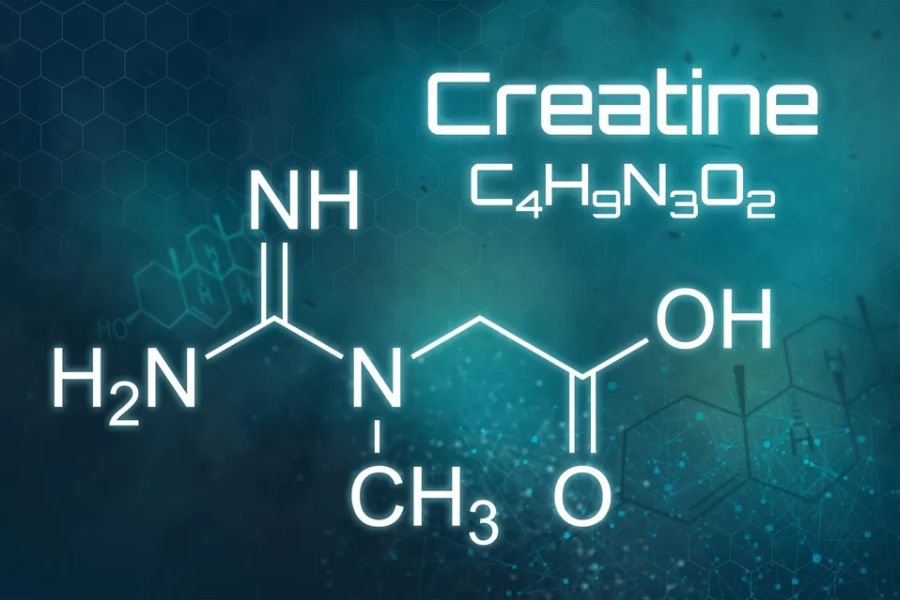
Creatine is a naturally occurring compound made from three amino acids: arginine, glycine, and methionine. Your body produces it in the liver, kidneys, and pancreas. Once synthesized, creatine travels through the bloodstream and is stored mainly in skeletal muscle, with smaller amounts found in the brain.
Inside muscle cells, creatine converts into phosphocreatine. Phosphocreatine plays a direct role in energy production during high-intensity activity. It helps regenerate adenosine triphosphate, commonly known as ATP, which serves as the primary energy source for muscle contractions. When ATP levels drop during intense exercise, phosphocreatine steps in to restore energy quickly.
Creatine differs from stimulants or hormones. It does not act on the nervous system or alter hormone levels. Instead, it supports the body’s existing energy system. This mechanism explains why creatine works best for short-duration, high-effort movements rather than long, steady-state endurance activities.
When you supplement with creatine, muscle cells hold more phosphocreatine. This increase allows you to perform more repetitions, lift heavier loads, or maintain power output across multiple sets. Over time, these training improvements contribute to greater strength and muscle development.
Types of Creatine
Several forms of creatine are available on the market. While manufacturers promote differences in absorption and effectiveness, research consistently favors one form above the rest. Understanding the main types helps you make an informed choice and avoid unnecessary costs.
Creatine Monohydrate
Creatine monohydrate is the most researched and widely used form of creatine. Studies show it reliably increases muscle creatine stores, improves strength, and supports muscle growth when paired with resistance training. It consists of creatine bound to a single water molecule, which allows for stable storage and effective absorption.
This form offers a strong safety record and remains affordable compared to newer alternatives. Most clinical studies on creatine use creatine monohydrate, making it the reference standard for dosing and outcomes.
Creatine HCL
Creatine hydrochloride, often labeled as creatine HCL, binds creatine to hydrochloric acid. Manufacturers claim this improves solubility and reduces digestive discomfort. While creatine HCL dissolves easily in water, research does not show superior performance benefits compared to creatine monohydrate.
Some users prefer creatine HCL due to smaller serving sizes or perceived stomach comfort. However, evidence does not support a meaningful advantage in strength or muscle gains.
Buffered Creatine
Buffered creatine, sometimes called Kre-Alkalyn, claims to resist breakdown in stomach acid. The idea centers on preventing conversion to creatinine before absorption. Controlled studies do not support these claims. Creatine monohydrate remains stable under normal digestive conditions.
Buffered creatine typically costs more without offering added performance or safety benefits. For most people, this form does not justify the higher price.
Other Creatine Forms
Other variants include creatine nitrate, creatine ethyl ester, and liquid creatine. Creatine nitrate combines creatine with nitrate compounds, while ethyl ester attempts to improve absorption through chemical modification. Research shows these forms do not outperform creatine monohydrate and may deliver lower muscle creatine levels.
Liquid creatine presents stability issues, as creatine breaks down over time when suspended in solution. Powdered creatine remains the preferred format for long-term storage and effectiveness.
When you compare all options, creatine monohydrate stands out as the most reliable, effective, and cost-efficient choice.
Benefits of Creatine
Creatine offers a range of performance and training benefits, especially for activities that rely on short bursts of intense effort. Its effects extend beyond strength alone and can support long-term training progress when used consistently.
Strength and Power Output
Creatine improves the body’s ability to generate force during high-intensity exercise. By increasing phosphocreatine stores in muscle, it supports faster ATP regeneration. This process allows you to lift heavier weights, perform more repetitions, and maintain power output across multiple sets.
Strength athletes often notice improvements in compound lifts such as squats, presses, and deadlifts. These gains come from improved training quality rather than immediate muscle growth.
Muscle Size and Lean Mass
Creatine supports increases in lean body mass through several mechanisms. Initially, muscles hold more intracellular water, which can increase muscle fullness. Over time, the real benefit comes from improved training volume and intensity, leading to greater muscle protein adaptation.
Long-term studies show that people who combine creatine with resistance training gain more lean mass than those who train without it. These changes reflect actual muscle development, not temporary water weight.
Exercise Performance
Creatine improves performance in activities that involve repeated high-effort movements. This includes sprinting, jumping, and interval-based training. Athletes who rely on quick recovery between efforts often see better output during later stages of training or competition.
The supplement works best when exercise demands rapid energy turnover rather than prolonged endurance.
Cognitive and Brain Support
Creatine also plays a role in brain energy metabolism. The brain relies heavily on ATP, especially during mentally demanding tasks. Emerging research suggests creatine may support cognitive performance during sleep deprivation, mental fatigue, or stressful conditions.
While this area continues to develop, early findings indicate creatine’s benefits may extend beyond physical performance.
How Creatine Works in the Body
Creatine supports energy production at the cellular level, primarily during short periods of intense physical effort. Its role centers on the phosphocreatine system, which acts as a rapid energy reserve for muscle cells.
When you perform high-intensity movements such as lifting weights or sprinting, your muscles rely on adenosine triphosphate for energy. ATP stores deplete quickly, often within seconds. Phosphocreatine helps replenish ATP by donating a phosphate group, allowing muscles to continue producing force.
Supplementing with creatine increases the amount of phosphocreatine stored in muscle tissue. Higher phosphocreatine levels allow faster ATP regeneration between contractions. This process improves your ability to sustain power output during repeated efforts and short rest periods.
Creatine also supports training volume by delaying fatigue. With more available energy, you can complete additional repetitions or sets at the same intensity. Over time, this higher workload contributes to greater strength gains and muscle adaptation.
Beyond energy production, creatine influences cellular hydration. Muscle cells draw in water along with creatine, which may support anabolic signaling pathways linked to muscle growth. This effect complements resistance training rather than replacing it.
How to Take Creatine
Creatine works best when you take it consistently and follow simple dosing guidelines. You do not need complex protocols or strict timing rules to see results. Daily intake matters more than precision.
Loading Phase
A loading phase involves taking a higher amount of creatine for a short period, usually five to seven days. A common approach uses 20 grams per day, split into four smaller doses. This method saturates muscle creatine stores faster.
The loading phase is optional. It helps you experience performance benefits sooner, but it does not change long-term results. Some people skip loading to avoid stomach discomfort or bloating.
Maintenance Phase
After loading, or if you skip loading entirely, you move into a maintenance phase. Most people take three to five grams per day. This amount maintains elevated creatine levels in muscle tissue.
Consistency matters during this phase. Taking creatine every day, including rest days, keeps muscle stores full and supports ongoing training performance.
Best Time to Take Creatine
Research shows timing has a minor effect compared to daily consistency. Many people take creatine after workouts because muscles absorb nutrients efficiently at that time. Others take it before training or with a meal.
Choose a time that fits your routine and stick with it. Pairing creatine with water, carbohydrates, or a post-workout meal can improve uptake, but timing alone does not determine results.
Creatine Dosage Guidelines
Creatine dosing remains simple and flexible for most people. The goal is to maintain elevated creatine stores in muscle tissue without unnecessary excess.
Most adults perform well with a daily intake of three to five grams. This range suits strength training, general fitness, and recreational sports. Larger individuals or those with high training volumes may benefit from the higher end of the range.
Bodyweight can influence dosage, but extreme precision is not required. A common guideline uses approximately 0.03 grams per kilogram of bodyweight per day during maintenance. This approach works well for athletes who want a more calculated intake.
Training frequency also plays a role. People who train multiple times per week place greater demand on phosphocreatine stores. Daily supplementation supports faster recovery between sessions and consistent performance output.
Creatine does not require cycling. Long-term daily use maintains muscle saturation and supports steady training progress. Staying hydrated and spreading intake with meals can improve comfort, especially for those new to supplementation.
Creatine for Different Goals
Creatine supports a variety of training objectives. While strength and muscle growth remain the most common reasons for use, other athletes can also benefit depending on how they train.
Creatine for Muscle Building
Creatine supports muscle growth by allowing you to train harder and with greater volume. Increased phosphocreatine availability improves your ability to complete challenging sets and maintain intensity across workouts. Over time, this leads to stronger muscle adaptation.
Creatine also increases cellular hydration within muscle tissue. This effect may support anabolic signaling pathways that complement resistance training. The combination of improved training quality and cellular support makes creatine effective for hypertrophy-focused programs.
Creatine for Strength Training
Strength-focused athletes benefit from creatine’s impact on power output. Improved ATP regeneration allows heavier lifts and better performance during low-repetition, high-load sets. This support proves useful for compound movements and progressive overload strategies.
Powerlifters and strength athletes often use creatine year-round due to its consistency and predictable effects.
Creatine for Endurance Athletes
Creatine offers limited benefit for long-duration endurance activities. However, athletes involved in sports with repeated sprints or bursts of effort may see performance improvements. Examples include soccer, hockey, and basketball.
In pure endurance contexts, slight increases in body weight from water retention may not suit every athlete. Endurance-focused users should evaluate creatine based on sport demands and training style.
Creatine Side Effects and Safety
Creatine is well tolerated by most people when used at recommended doses. Side effects are generally mild and often related to dosing habits rather than the supplement itself.
Some users experience temporary water retention, especially during the early stages of supplementation. This effect occurs because creatine draws water into muscle cells. The increase reflects intracellular hydration rather than fat gain and often stabilizes over time.
Digestive discomfort can occur if large doses are taken at once. Symptoms may include bloating or stomach upset. Splitting daily intake into smaller servings or taking creatine with meals often resolves these issues.
Hydration plays an important role while using creatine. Because creatine increases water retention inside muscle tissue, maintaining adequate fluid intake supports comfort and overall performance. Normal hydration practices are usually sufficient.
Research does not link creatine use to muscle cramps, dehydration, or heat intolerance in healthy individuals. These concerns often stem from outdated or anecdotal claims rather than controlled studies.
Is Creatine Safe
Extensive research supports creatine as a safe supplement for healthy adults when taken at recommended doses. Studies span decades and include athletes, older adults, and general populations. Findings consistently show no harmful effects on kidney or liver function in people without preexisting conditions.
Concerns about kidney damage often arise from misunderstanding how creatine affects blood markers. Creatine supplementation can increase creatinine levels, which reflects normal breakdown rather than impaired kidney function. Clinical trials that directly measure kidney health do not show negative outcomes in healthy users.
Long-term use has also been studied. People who take creatine daily for several years show no increase in adverse health events compared to non-users. These results hold across different ages and training backgrounds.
Creatine does not alter hormone levels or disrupt natural creatine production. When supplementation stops, muscle creatine levels gradually return to baseline without withdrawal effects.
For healthy individuals who follow standard dosing and maintain normal hydration, creatine remains one of the safest and most reliable supplements available.
Who Should Avoid Creatine
While creatine is safe for most healthy adults, certain individuals should approach supplementation with caution or avoid it altogether. Medical history and individual health status play an important role in this decision.
People with preexisting kidney disease or impaired kidney function should avoid creatine unless a healthcare professional approves its use. Because creatine affects creatinine levels, medical supervision is necessary in these cases.
Those taking medications that impact kidney function should also seek professional guidance before supplementing. This includes certain blood pressure medications and drugs that alter fluid balance.
Adolescents and younger individuals should use caution. While research suggests creatine can be safe for younger athletes under supervision, parents and coaches should consult a qualified professional before use.
Pregnant or breastfeeding individuals should avoid creatine due to limited safety data in these populations. Until more research is available, supplementation is not recommended.
If you have a medical condition or take prescription medication, professional guidance helps ensure supplementation aligns with your overall health plan.
Creatine Myths and Misconceptions
Creatine has been the subject of many misconceptions over the years. Much of the confusion comes from outdated information or misunderstanding how creatine works in the body.
One common myth claims creatine causes excessive water weight gain. In reality, creatine increases water content inside muscle cells, not under the skin. This effect contributes to muscle fullness and performance rather than unwanted bloating.
Another frequent claim links creatine to hair loss. This idea stems from a single small study that observed changes in a hormone related to hair loss, not actual hair thinning. Follow-up research has not confirmed a direct connection between creatine use and hair loss.
Some people believe creatine causes muscle cramps or dehydration. Controlled studies show no increase in cramping or heat-related issues among creatine users. Normal hydration practices remain sufficient during supplementation.
There is also a misconception that creatine is a steroid or hormone. Creatine is neither. It is a naturally occurring compound that supports energy production and does not alter hormone levels.
Understanding these points helps you evaluate creatine based on evidence rather than misinformation.
Creatine vs Other Supplements
Creatine stands apart from many common supplements due to its specific role in energy production and its strong research support. Comparing it with other popular options helps clarify where it fits in a supplement routine.
Creatine differs from protein supplements in both function and purpose. Protein provides amino acids that support muscle repair and growth. Creatine improves training performance by increasing available energy during high-intensity effort. Many people use both together because they serve different roles.
Pre-workout supplements focus on stimulation, blood flow, or mental focus. Ingredients such as caffeine and nitric oxide boosters influence alertness and endurance. Creatine does not provide immediate stimulation. Instead, it works through gradual muscle saturation and supports long-term performance improvements.
Some athletes combine creatine with carbohydrates or post-workout nutrition to support uptake. Stacking creatine with protein or carbohydrates can complement training, but creatine does not depend on complex stacks to work effectively.
Unlike many supplements with short-term effects, creatine delivers consistent benefits over time. Its simplicity, affordability, and reliability make it a foundational option rather than a situational add-on.
How to Choose a Quality Creatine Supplement
Choosing a quality creatine supplement helps ensure safety, effectiveness, and value. Most performance differences come from training consistency, but product quality still matters.
Start by checking the ingredient label. A high-quality creatine supplement lists creatine monohydrate as the only active ingredient. Avoid products that include unnecessary fillers, sugars, or proprietary blends that do not disclose exact amounts.
Purity and third-party testing also matter. Look for supplements that undergo independent testing for contaminants and label accuracy. Certifications from reputable testing organizations provide added confidence in product quality.
Powdered creatine remains the most practical option for most users. It mixes easily with water or other beverages, allows flexible dosing, and tends to cost less per serving than capsules. Capsules offer convenience but often require multiple pills to reach an effective dose.
Flavoring is optional and does not improve results. Unflavored creatine mixes well with most drinks and avoids artificial additives. When stored properly in a cool, dry place, creatine monohydrate remains stable and effective over time.
Conclusion
Creatine remains one of the most reliable and well-researched supplements available for improving training performance. It supports strength, power output, and lean muscle development by enhancing the body’s ability to produce energy during high-intensity exercise.
Consistent daily use matters more than complex dosing strategies. Most people benefit from a simple three to five grams per day, combined with regular resistance training and proper hydration. Over time, improved workout quality leads to measurable gains in strength and muscle size.
Creatine suits beginners and experienced athletes alike. With a strong safety profile and proven effectiveness, it fits easily into most fitness routines. When paired with smart training and nutrition, creatine provides a practical tool for long-term performance progress.
Frequently Asked Questions About Creatine
How long does it take to see results from creatine
Most people notice performance improvements within one to two weeks. A loading phase can shorten this timeline, while a maintenance-only approach leads to gradual saturation over several weeks.
Can you cycle creatine
Cycling creatine is not necessary. Research supports continuous daily use without negative effects. Some people cycle for personal preference, but it does not improve results.
Can women take creatine
Yes. Creatine works the same way in women as it does in men. It supports strength, lean mass, and training performance without causing unwanted bulk when used with appropriate training.
Is creatine suitable for beginners
Creatine suits beginners who follow a structured training program. It supports early strength gains and helps new lifters perform higher-quality workouts from the start.
Should creatine be taken on rest days
Yes. Daily intake maintains muscle creatine levels. Taking creatine on rest days supports consistent saturation and ongoing benefits.
Does creatine cause fat gain
Creatine does not increase body fat. Any initial weight gain comes from water held inside muscle cells, not fat storage. This effect often stabilizes after the first few weeks.
Can creatine be taken with coffee or caffeine
Yes. Creatine can be taken with coffee or other caffeinated drinks. Research does not show that caffeine reduces creatine’s effectiveness when used consistently.
Is creatine safe for long-term use
Long-term studies show no harmful effects in healthy adults who use creatine daily at recommended doses. Many people use creatine continuously for years without issues.
Does creatine need to be taken with carbohydrates
Carbohydrates can slightly improve creatine uptake, but they are not required. Creatine works effectively when taken alone as long as daily intake remains consistent.
Can creatine cause bloating
Bloating may occur if large doses are taken at once. Splitting doses or using a standard maintenance amount usually prevents this issue.
Should creatine be mixed with hot or cold liquids
Creatine dissolves best in warm liquids, but temperature does not affect performance results. Cold water works fine as long as the powder fully dissolves.
Does creatine go bad or expire
Creatine monohydrate is very stable when stored in a cool, dry place. It can last for years past the printed date if kept away from moisture.
Can creatine be taken while cutting or dieting
Yes. Creatine helps preserve strength and training intensity during calorie restriction. It does not interfere with fat loss when nutrition aligns with your goal.
Is creatine suitable for older adults
Yes. Research shows creatine supports muscle strength, lean mass, and functional performance in older adults when paired with resistance training.
What happens if you stop taking creatine
Muscle creatine levels gradually return to baseline over several weeks. Strength and performance may decline slightly, but there are no withdrawal effects.
References
- Cleveland Clinic. (2023). Creatine. Retrieved from Cleveland Clinic Health Library.
- Mayo Clinic Staff. (2023). Creatine. Mayo Clinic.
- Wikipedia contributors. (2026). Creatine. In Wikipedia, The Free Encyclopedia. Retrieved January 2026, from Wikipedia.
- WebMD. (n.d.). Creatine – Uses, Side Effects, and More. WebMD.
- Kreider, R. B., Ferreira, M., Wilson, M., et al. (2003). International Society of Sports Nutrition position stand: creatine supplementation and exercise. Journal of the International Society of Sports Nutrition.
- UCLA Health. (n.d.). Why everyone’s talking about creatine. UCLA Health News.
- News-Medical. (n.d.). What is Creatine?. News-Medical.
About The Author