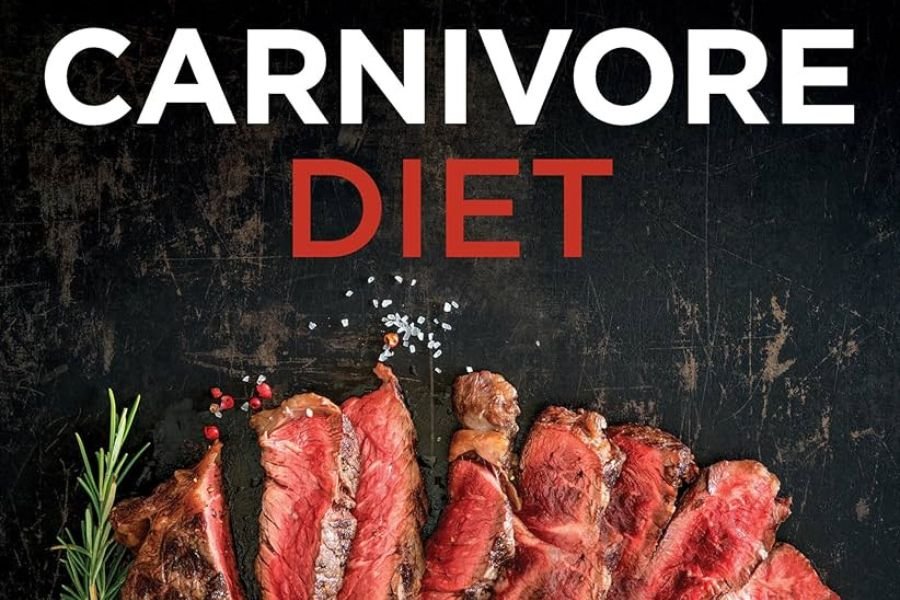
Unlock Powerful Results with the Carnivore Diet for Beginners
A carnivore diet for beginners can sound both simple and extreme. You eat meat, fish, eggs, and a few animal products, and you cut out carbohydrates, fruits, vegetables, grains, nuts, and seeds. Advocates say this way of eating can help you lose weight and stabilize your energy. Health experts warn that it is very restrictive and may carry real risks if you follow it long term (WebMD, Cleveland Clinic).
This guide walks you through what the carnivore diet is, how people start it, what potential benefits and downsides you should know about, and questions to ask before you try it yourself.
Understand what the carnivore diet is
The carnivore diet is one of the most restrictive eating patterns you can follow. You focus on animal-based foods and avoid virtually everything else.
In most beginner versions, you eat only:
- Beef, pork, lamb, and other red meat
- Poultry like chicken or turkey
- Fish and seafood
- Eggs
- Some animal fats such as butter, ghee, or tallow
- Sometimes small amounts of cheese or other low lactose dairy
At the same time, you remove:
- All fruits and vegetables
- All grains such as rice, oats, and wheat
- Beans and lentils
- Nuts and seeds
- Most plant oils and plant-based beverages
WebMD notes that the goal is usually to cut carbohydrates to almost zero so your body shifts to burning fat for energy and you may lose weight as a result (WebMD). Cleveland Clinic describes it as going even further than low carb plans like keto or Atkins, because those still allow some plant foods and fiber (Cleveland Clinic).
See how the carnivore diet works
You can think of a carnivore diet as a very low carb, very high protein and fat plan. When you remove carb-rich foods and rely almost entirely on meat and other animal products, several things happen in your body at once.
Protein and fat become your main energy sources. The diet’s high protein and fat content can help you feel full for longer and may slightly increase your metabolic rate, which is one reason people often report short term weight loss (Healthline).
Because the plan is so strict, it also reduces your food choices dramatically. For many beginners, this makes overeating on snacks or sweets harder, simply because those foods are no longer allowed in your kitchen. That alone can create a calorie deficit and lead to weight loss, even if you are not tracking your intake.
At the same time, your fiber intake drops to almost zero. You also miss out on many vitamins, minerals, and plant compounds that normally come from fruits, vegetables, and whole grains. Over time, that lack of variety is what worries most health professionals (Cleveland Clinic, Healthline).
Know the potential benefits
Most of the claimed benefits of a carnivore diet for beginners come from personal stories and online communities rather than long term clinical studies. Cleveland Clinic and Healthline both point out that research on this exact diet is very limited so far (Cleveland Clinic, Healthline).
Still, there are some patterns in what people report.
Weight loss and appetite changes
In a survey of more than 2,000 people who followed a carnivore diet for 9 to 20 months, many reported weight loss and high satisfaction with the diet overall (WebMD). This survey relied on self reports and did not include medical measurements, but it shows how common weight loss claims are among followers.
Several factors can help explain this:
- Protein is very filling, so you may naturally eat fewer calories without trying
- You have fewer high calorie, processed foods available
- Some people feel more in control with clear rules about what to eat
Blood sugar and cravings
In that same survey, a number of people with diabetes said they were able to reduce or even stop some medications, often because their blood sugar stabilized on the diet (WebMD). Again, this was not a controlled trial, and it is very important not to change any prescription drugs without medical supervision.
Some followers also say that sugar cravings fade when they remove all carb based foods. With no access to sweets or refined starches, you may find it easier to avoid impulsive snacking.
Simplicity and structure
If you like simple rules, a carnivore diet can feel very straightforward. You do not count macros, weigh every ingredient, or build complicated recipes. You mainly ask a single question, which is whether a food comes from an animal.
For beginners, that clarity can feel freeing. You spend less time debating what you should eat and more time sticking with a consistent pattern.
Understand the real risks and downsides
The same features that make a carnivore diet for beginners simple can also create serious drawbacks. Health experts are generally cautious or directly against using this approach, especially for long term health.
Cleveland Clinic notes that the diet conflicts with standard nutrition guidelines which emphasize a balance of fruits, vegetables, whole grains, and lean proteins (Cleveland Clinic).
Nutrient gaps and gut health
By eliminating whole food groups, you sharply reduce your intake of:
- Fiber
- Potassium
- Vitamins A and C
- Folate and other B vitamins
- Many antioxidants and plant based compounds
WebMD highlights that this lack of fiber and key micronutrients can lead to constipation, headaches, nausea, and other side effects (WebMD). Healthline explains that the absence of fiber and beneficial plant compounds may also increase your risk for gut inflammation and certain cancers over time (Healthline).
Your gut microbiome, which depends heavily on fiber and plant diversity, can shift in ways that are not fully understood yet. Gene Food points to research linking certain bacteria that thrive on undigested meat with gut inflammation and higher colon cancer risk (Gene Food).
Healthline sums it up clearly: the carnivore diet is extremely restrictive and low in nutrients like vitamin C, folate, and fiber, which makes its long term safety questionable (Healthline).
Heart health and cholesterol
A carnivore diet is usually high in saturated fat and cholesterol, especially if you rely on fatty red meat and processed meats. WebMD warns that this combination can raise LDL cholesterol levels for some people and may increase heart disease risk, especially if salt intake from processed meats is also high (WebMD).
Gene Food cites a large review in JAMA that found very high animal protein intake can significantly raise LDL cholesterol, which is strongly linked to cardiovascular and all cause mortality risk (Gene Food).
Kidney, liver, and metabolic strain
Breaking down large amounts of protein produces ammonia, which your body must convert and excrete. Gene Food notes that this process can strain the liver and kidneys, and genetic differences in urea cycle enzymes, which are fairly common, may increase the risk of ammonia buildup and related issues on a very high protein diet (Gene Food).
The same source also explains that excessive protein can trigger frequent gluconeogenesis, where protein is converted into glucose. That may prevent you from reaching a stable state of ketosis, even though your carb intake is very low (Gene Food).
Who should avoid a carnivore diet
Multiple sources warn that some groups should not follow a carnivore diet unless a medical team is closely involved. These include:
- People with chronic kidney disease
- Anyone with existing heart disease or very high cholesterol
- People with high blood pressure
- Individuals with a history of disordered eating
- Children and teenagers
- Pregnant or breastfeeding women
WebMD, Healthline, and Cleveland Clinic all emphasize that the diet is particularly unsafe or unsuitable for these populations because of the nutrient deficiencies, high saturated fat, and sodium involved (WebMD, Healthline, Cleveland Clinic).
See how people start a carnivore diet
If you are still curious about a carnivore diet for beginners after understanding both the potential benefits and risks, the safest next step is to talk with a healthcare provider first. Cleveland Clinic’s registered dietitian Kate Patton specifically advises against the diet and instead recommends a balanced pattern built around fruits, vegetables, whole grains, and lean meats (Cleveland Clinic).
If you and your provider decide to explore it, WebMD outlines how many people approach the transition (WebMD).
Step 1: Clear out carb heavy foods
The first practical step is to remove food you plan to avoid. That usually means clearing your pantry, fridge, and freezer of:
- Bread, pasta, rice, and other grains
- Breakfast cereals
- Snack foods and desserts
- Beans and lentils
- Fruits and vegetables
- Plant based oils and condiments that contain sugar or starch
This helps you avoid “just this once” moments that can make any strict plan difficult to follow.
Step 2: Build a basic carnivore shopping list
Next, you shift your grocery trips toward animal based foods. WebMD and Primal Kitchen highlight these staples for beginners (WebMD, Primal Kitchen):
- Red meat such as beef, lamb, and pork
- Poultry like chicken and turkey
- Fish and seafood, including fatty fish like salmon or mackerel
- Eggs
- Organ meats, for example liver or heart, if you choose to include them
- Animal fats such as butter, ghee, and tallow
- Optional full fat dairy, if you tolerate it
Some followers practice “nose to tail” eating, which means incorporating organ meats and less common cuts so they get a slightly wider range of nutrients.
Step 3: Plan simple meals
A true carnivore day typically includes meat at every meal. Primal Kitchen suggests that you can mix and match simple savory dishes, such as grilled steaks, burgers without buns, roasted chicken thighs, and scrambled eggs, to create a week of meals (Primal Kitchen).
Seasoning is often kept minimal, with salt and a few spices. Some versions allow herbs, mustard, or other low carb condiments. Others avoid almost all plant based ingredients.
Coffee and tea are usually discouraged in strict carnivore circles, although more flexible followers sometimes keep small amounts of these drinks in their routine (Primal Kitchen).
Decide if a carnivore diet is right for you
If your main goal is weight loss and better health, it helps to zoom out and look at the bigger picture. A carnivore diet for beginners may produce rapid changes, but the long term sustainability and safety of this pattern are not clear, and leading health organizations generally do not recommend it.
Cleveland Clinic suggests that a balanced approach built around whole foods, including fruits, vegetables, grains, and lean meats, is more likely to support your health over time (Cleveland Clinic). Healthline and WebMD echo that concerns about nutritional gaps, digestive health, and heart risk should not be ignored (Healthline, WebMD).
If you are drawn to the structure and simplicity of carnivore eating, you could talk with a registered dietitian about less extreme options. For example, you might explore a higher protein, lower carb plan that still leaves room for vegetables, some fruit, and whole grains. That kind of middle ground can give you many of the same benefits, such as better appetite control and fewer processed foods, without shutting out entire food groups.
Before you change how you eat, consider:
- Your current health conditions and medications
- How comfortable you are with a very narrow set of foods
- Whether you can see yourself eating that way months from now
Your diet works best when it supports both your short term goals and your long term wellbeing. Taking time to ask careful questions now can help you avoid a plan that feels exciting at first but becomes difficult or risky later.
About The Author