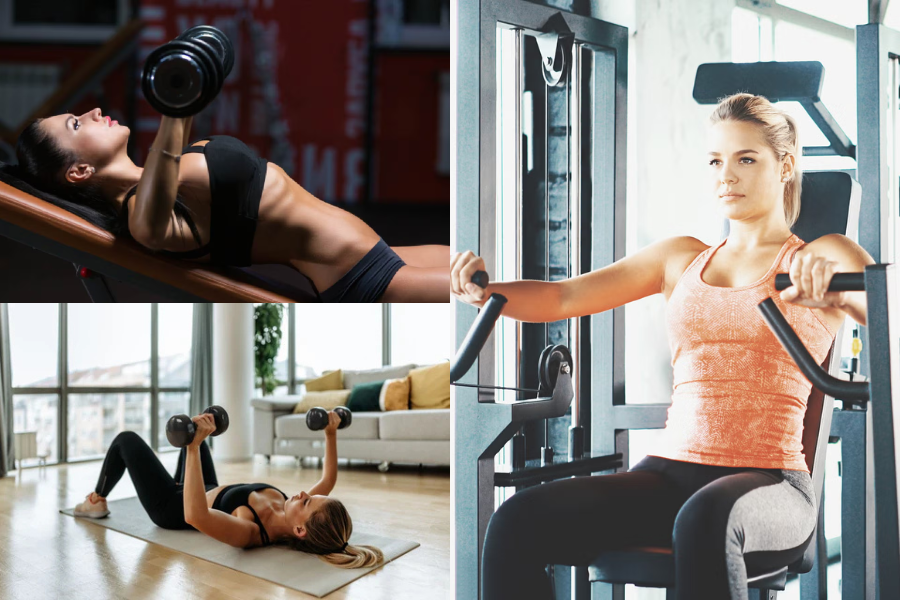
Boost Your Confidence with This Chest Workout for Ladies
A focused chest workout for ladies does much more than build visible strength. When you train your chest regularly, you support better posture, make daily tasks feel easier, and protect your neck and back over time. You also improve the way your upper body looks in clothes, which can give your confidence a noticeable boost.
This guide walks you through why chest training matters for women, then gives you a simple chest workout for ladies that you can do at home or in the gym, plus form tips and progression ideas so you feel confident with every rep.
Why chest workouts matter for women
Your main chest muscles are the pectoral muscles or pecs. They run across the front of your rib cage, attaching around your shoulders and upper arms. Any time you push, hug, reach, or lift, your pecs help make that movement happen.
When you strengthen these muscles as part of your regular routine, you:
- Improve posture by balancing out tight hip and shoulder muscles. Strong pecs and upper back work together to keep your shoulders from rounding forward, which helps reduce neck and back strain, as certified trainer Elise Young explains in a 2023 guide for Women’s Health.
- Make everyday tasks easier, like carrying groceries, pushing a stroller, lifting a suitcase overhead, or pulling doors open.
- Protect your spine, since a strong upper body shares the workload instead of letting your low back do everything.
- Support bone health and help prevent osteoporosis by maintaining muscle and tissue strength in the upper body.
There is also a visual benefit that many women appreciate. Working your chest does not make your breasts smaller. Instead, the muscle underneath can lift and shape the area, which can make your bust appear higher and fuller overall.
Key moves in a chest workout for ladies
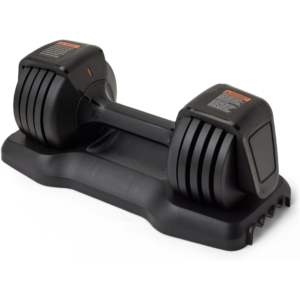
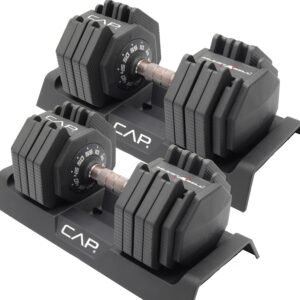
A balanced chest workout for ladies focuses on pushing motions and chest fly variations, plus a few smart modifications so you can match your current strength level. You do not need fancy equipment. A pair of dumbbells and some floor space are enough to get started.
You will use two types of movements:
- Compound pushes, like presses and pushups, that work your chest, shoulders, and triceps together. Trainers often recommend these because you get more done in less time, since you train multiple major muscles at once.
- Isolation or semi isolation moves, like chest flys, that help you feel your chest working more directly.
Aim to do this chest workout 1 to 2 times per week, with at least one rest day between sessions. If you are new to strength training, most coaches suggest starting with 2 to 3 total body days per week first, then layering in this chest focused routine once you feel consistent.
How to warm up before chest training
Start with 3 to 5 minutes of gentle movement to get your heart rate up. March in place, walk around your home, or do light jumping jacks if you are comfortable with impact.
Then add a short upper body warmup:
- Arm circles, forward and backward
- Shoulder rolls
- Chest opener stretch, clasp your hands behind your back and gently lift
Finish with a 20 to 30 second high plank hold to wake up your core and get used to supporting your body weight on your hands. A strong, stable core will help you keep good alignment during each chest exercise.
Beginner friendly chest workout for ladies
Here is a simple workout you can follow. You can do it on its own or tuck it into a full upper body day.
Perform 3 rounds. In each round, do 8 to 12 controlled reps of each move, or work for 40 to 50 seconds with 10 to 20 seconds rest, depending on your preference and fitness level. Rest 60 to 90 seconds between rounds.
- Incline pushups
- Dumbbell chest press
- Dumbbell chest fly
- Close grip chest press
- Dumbbell floor press or isometric chest squeeze
If 3 full rounds feel like too much at first, start with 1 or 2 and build up over a few weeks.
1. Incline pushups
Incline pushups are one of the best entry points into chest training for women. You work the chest, shoulders, triceps, and core, but the raised surface makes the movement more manageable while you build strength.
You can use a sturdy countertop, bench, couch edge, or even a staircase. Trainers like Betina Gozo often recommend starting with 3 sets of 5 to 10 reps of incline pushups with 30 to 60 seconds rest if full pushups are not yet accessible.
How to do it:
- Place your hands on the edge of your support, shoulder width apart. Walk your feet back until your body forms a straight line from head to heels.
- Brace your core. Think about holding a broomstick along your back so your head, upper back, and hips stay in one line.
- Bend your elbows and lower your chest toward the support in a straight path, keeping them at about a 45 degree angle from your body.
- Push through your palms to return to the starting position without letting your hips sag.
If this feels easy, walk your feet back farther or choose a slightly lower surface. Once you can comfortably do higher rep sets on a low incline, you will be closer to a full floor pushup.
2. Dumbbell chest press
The dumbbell chest press is a cornerstone of any chest workout for ladies because it hits your pecs, front shoulders, and triceps all at once. Using dumbbells instead of a bar lets each side work more independently, which can help correct small imbalances.
You can do this on a bench or on the floor. Many beginner programs for women use a dumbbell chest press as the main strength builder for the upper chest and lower chest.
How to do it:
- Lie on your back with your knees bent and feet flat. Hold a dumbbell in each hand at chest level, palms facing forward, elbows bent about 90 degrees.
- Engage your core and lightly tuck your ribs, avoid arching your lower back off the floor.
- Press the dumbbells straight up until your arms are almost fully extended. Do not lock your elbows.
- Lower the weights back down with control until your elbows are just above the floor or slightly below bench height.
Choose a weight that makes the last 2 or 3 reps of each set challenging but still controlled. Many coaches suggest using a heavier pair of dumbbells for the chest press than you use for flys or lateral work so that you are really asking the muscles to grow stronger.
3. Dumbbell chest fly
The chest fly helps you feel the inner portion of your chest working. It stretches your pecs at the bottom of each rep and then asks them to contract hard as you bring your arms back over your chest. You can do this on a bench or on the floor.
How to do it:
- Lie on your back with a light dumbbell in each hand. Extend your arms straight above your chest, palms facing each other, with a soft bend in your elbows.
- Keep your core tight so your ribs do not flare.
- Open your arms out to the sides in a wide arc, lowering the weights until they are level with your chest or just before you feel your shoulders lose stability. Your elbows should stay slightly bent, not locked straight.
- Squeeze your chest and bring the weights back together above your chest along the same arc.
Use lighter weights here and focus on feeling your chest do the work, not your shoulders. Move slowly in both directions and stop well before any shoulder discomfort.
4. Close grip chest press
The close grip chest press changes your hand position to narrow the space between your hands. That shift places more emphasis on your triceps, while still involving your chest muscles.
How to do it:
- Lie on your back with a dumbbell in each hand. Hold them directly above your chest with your arms straight, or bring them together so they touch.
- Turn your palms toward each other so they face in.
- Bend your elbows and lower the weights toward the center of your chest, keeping your elbows tucked closer to your sides.
- Press the dumbbells back up and squeeze your chest and triceps at the top.
This variation is a useful way to add variety to your chest workout for ladies without changing all your equipment or routine. It also helps build the arm strength you need for stronger pushups.
5. Dumbbell floor press or isometric chest squeeze
To finish the workout, choose one of these options based on how your body feels.
Dumbbell floor press
The floor press is a simplified chest press variation that is gentle on your shoulders because the floor limits your range of motion. That makes it perfect if you are new to training or if your shoulders feel sensitive.
The setup and motion are almost identical to the regular chest press, you just stop when your upper arms touch the floor so you do not sink into a deep stretch. Press the dumbbells back up and repeat.
Isometric chest squeeze
If you have very light dumbbells or want something different, the isometric chest squeeze lets you target your chest by holding tension instead of moving through a large range.
- Stand tall or sit on the edge of a chair holding two light dumbbells.
- Press the dumbbells together at chest height, elbows bent.
- Squeeze your chest as if you were trying to crush the weights together.
- Slowly press the weights straight out in front of you, still squeezing, then bring them back to your chest.
- Hold the squeeze at your chest for about 5 seconds, then relax briefly and repeat.
This is a good option at the end of your session when your muscles are tired but you still want to finish with a strong, focused contraction.
Progressing your chest workout safely
To keep making progress and to continue building confidence, you will want to gradually increase the challenge of your chest workouts. You can do this without making your routine complicated.
Try one adjustment at a time:
- Add a few reps. If you are doing 8 reps comfortably, move toward 10, then 12.
- Slow your tempo. Take 3 seconds to lower the weight, pause for 1 second, and then press up. This increases time under tension even if the weight stays the same.
- Increase the weight slightly every 1 to 3 weeks, as long as your form stays solid. This is especially important for dumbbell presses and pullovers, which respond well to progressive loading.
- Reduce your incline for pushups as you get stronger, moving from a countertop to a bench or step, and eventually to the floor.
Many trainers do not recommend relying on knee pushups as the main progression, because they unload your core, which you need to train for full pushups. Instead, they suggest stages like high plank holds, incline eccentric pushups, and full range incline pushups, performed 1 to 3 times per week after your general warmup.
Form tips to protect shoulders and back
Chest training should feel challenging in your muscles, not painful in your joints. Pay attention to these details:
- Keep a neutral spine. Imagine that broomstick along your back to help maintain straight alignment during presses and pushups.
- Engage your core. Lightly brace your abs as if preparing for a gentle poke. This supports your lower back and prevents over arching.
- Set your shoulder blades. Before each press or fly, pull your shoulders slightly down and back. This creates a stable base for your arms to move from.
- Move through a comfortable range. You do not need to lower the weights until your shoulders feel overly stretched. Stop before discomfort and focus on control.
If you feel sharp pain in your shoulders or wrists, stop and adjust your hand position, range of motion, or the amount of weight you are using. It can also help to include pulling movements like rows in your weekly routine so that your upper back stays strong and balanced with your chest.
Final thoughts
You do not need a complicated plan to get meaningful results from a chest workout for ladies. A handful of smart exercises like incline pushups, dumbbell presses, and flys, done consistently 1 to 2 times per week, can transform how your upper body feels and functions.
Start with weights and variations that let you move with control, focus on steady improvement instead of quick fixes, and pay attention to how daily tasks start to feel easier. As your chest, shoulders, and arms grow stronger, you will likely notice your posture, confidence, and overall sense of strength growing right alongside them.
About The Author